
Top 10 Miles Teller Movies, Ranked
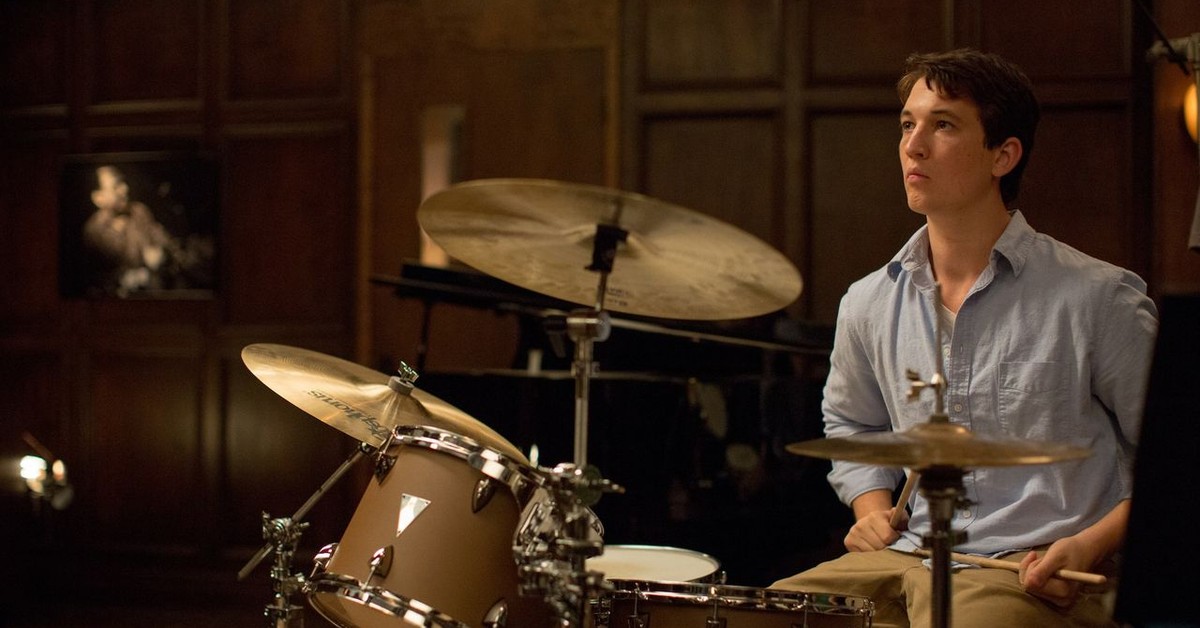
There’s a moment in Whiplash where Miles Teller’s hands are bleeding onto the drum kit and he just keeps playing. That image pretty much captures everything you need to know about what makes him compelling to watch: he commits completely, and it shows. At TV Hulk, we ranked these performances based on how much they stayed with us, how convincingly Teller disappeared into each character, and how often he was the reason a scene worked rather than just a participant in it. This list runs from a charming early sidekick turn all the way up to the role that stopped everyone in their tracks.
10. Footloose (2011)
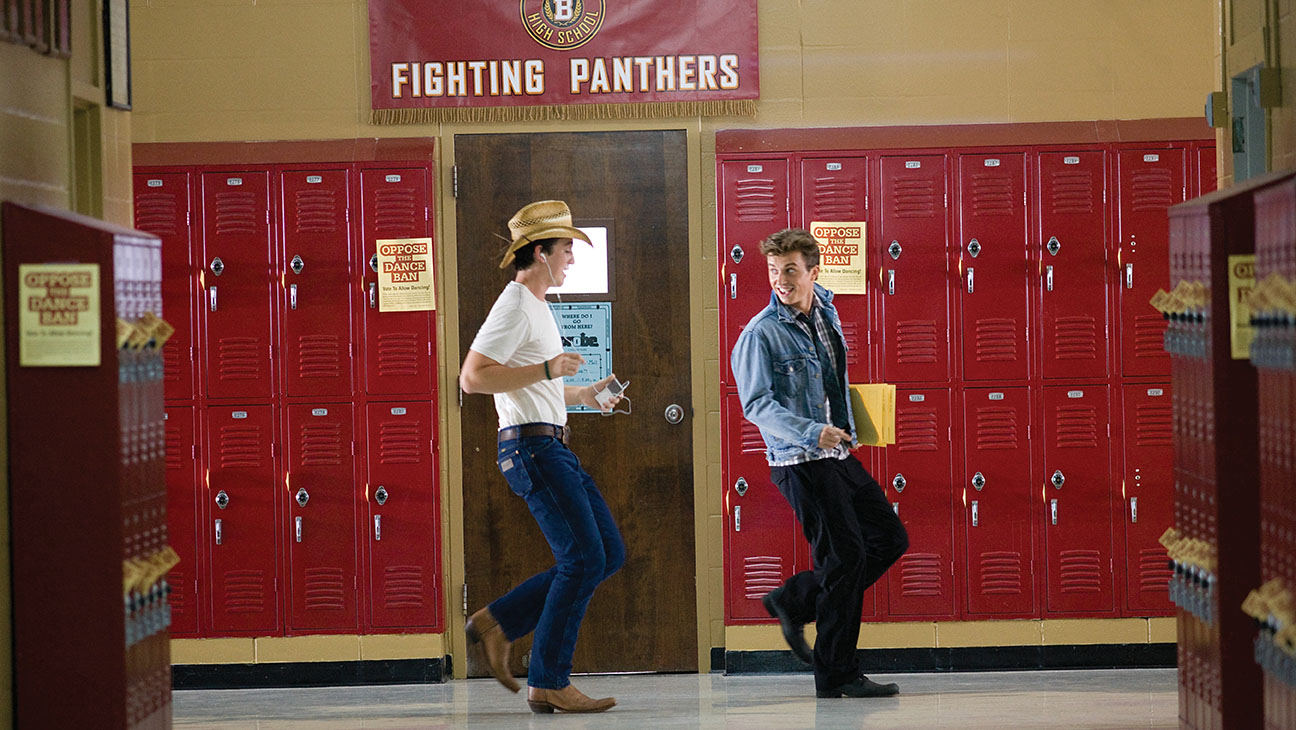
Willard Hewitt is the best reason to revisit this remake. Teller plays the goofy, good-natured sidekick to Kenny Wormald’s Ren with a loose, physical energy that keeps stealing focus in the best possible way. His big comedic showcase, the scene where Willard finally learns to dance, is timed perfectly and played with such genuine enthusiasm that it lands every time. Nobody walked into the 2011 Footloose expecting a breakout, but Teller’s natural charisma made Willard the most memorable thing in it. It’s a light, fun performance, but it hinted early on that this was someone worth paying attention to.
9. Rabbit Hole (2010)

Jason could have been a plot device. Instead, Teller makes him feel like a real kid carrying an unbearable weight. As the teenager whose car accident set the entire film’s grief in motion, he shares a series of quietly intense scenes with Nicole Kidman, and he never flinches or overplays a single beat. The moment where he and Kidman’s Becca sit together reading his comic book, two people trying to find a language for something unspeakable, is handled with a raw, unguarded honesty that’s remarkable for a first significant film role. Watching him hold his own in that material makes it easy to understand how he got here.
8. The Divergent Series (2014–2016)
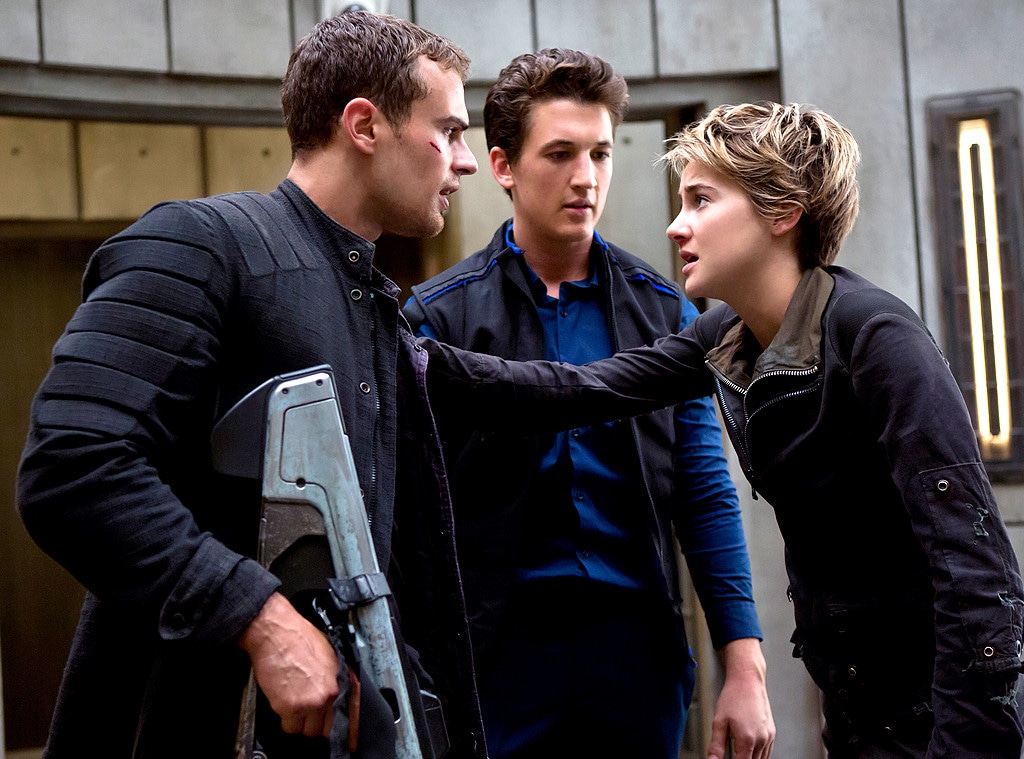
Peter Hayes is, without question, the most entertaining thing the Divergent franchise produced. Teller plays the sneering, self-serving antagonist with a smirk that suggests he’s fully aware of the movie he’s in, and that self-awareness makes every scene crackle with unpredictable energy. In the first film especially, his casual cruelty toward Shailene Woodley’s Tris has a nasty comic edge — that moment where he cheerfully stabs Edward in the eye at dinner and then just goes back to eating is peak Peter — that the series’ more self-serious moments can’t match. His shifting loyalties across the sequels give Teller something to play with, and he makes the most of every pivot. The franchise fizzled badly before it could finish its story, but Peter remains proof that Miles can make himself the reason to watch even when the surrounding material lets him down.
7. Thank You for Your Service (2017)
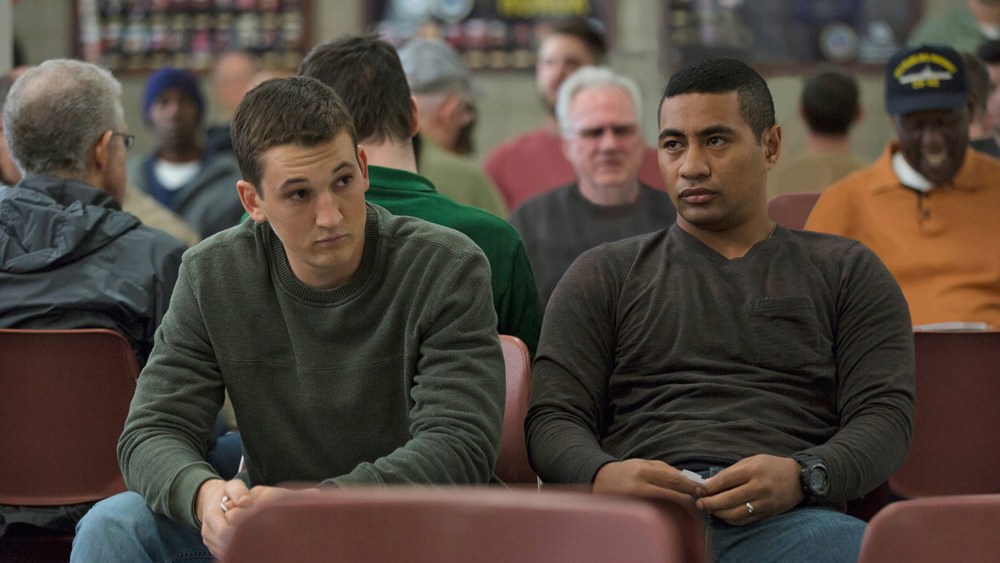
Sergeant Adam Schumann comes home from Iraq and can’t figure out how to exist in a world that doesn’t know what to do with him. What Teller does with that premise is build the performance almost entirely from the inside out: the silences, the small flinches, the way Adam’s eyes go somewhere else mid-conversation. In a scene where he’s surrounded by other veterans in various states of crisis, Teller communicates a whole internal collapse without a single line of dialogue. He never tips into melodrama or reaches for a big breakdown moment, and the suppressed panic reads most clearly in how Teller keeps Adam’s jaw slightly tight and his breathing just a beat too controlled, like a man constantly talking himself down from the edge.
6. Bleed for This (2016)

Vinny Pazienza is a gift of a character: a Rhode Island boxing champion who broke his neck and then, against every piece of medical advice available, trained himself back to a world title while wearing a metal halo screwed into his skull. Teller throws himself into the physical transformation with obvious commitment, and the bravado he brings to Vinny’s refusal to accept his situation makes the character irresistible to watch. The scene where Vinny starts secretly lifting weights in his garage, halo still attached, is played with a grin that walks the line between inspiring and completely unhinged. It’s the most fun Teller has in any of his sports roles, and Vinny’s swagger gives the film an energy that rewards rewatching.
5. War Dogs (2016)

David Packouz is the straight man in a story that desperately needs one. While Jonah Hill’s Efraim Diveroli spirals into increasingly unhinged territory, Teller plays David’s moral drift with a wide-eyed believability that makes the whole absurd premise work. You watch him rationalize one bad decision after another, and the performance is calibrated so carefully that you understand every step of his complicity without ever fully excusing it. There’s a moment mid-film where Efraim lays out a plan that is obviously going to blow up in their faces, and you can see Teller doing the math in real time and coming up short — his jaw tightens, his eyes go a little flat, and he nods anyway, which tells you everything about who David has quietly become. Teller’s grounded work is a big reason the film holds together as well as it does.
4. Only the Brave (2017)
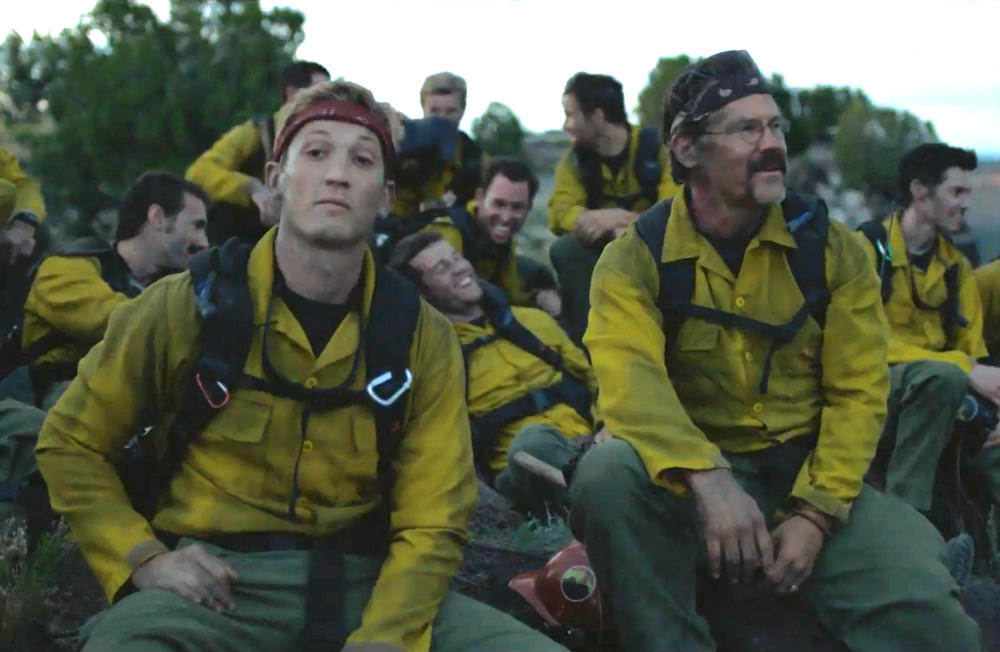
Brendan McDonough starts the film as a junkie who can’t hold his life together and ends it as the sole survivor of the Granite Mountain Hotshots. Teller plays that entire arc with an emotional honesty that makes Brendan the audience’s anchor into a story about people who were truly extraordinary. The scene where McDonough is told he’s the only one who made it out of the Yarnell Hill Fire is handled without any theatrical flourish, just a quiet, shattering stillness that hits harder for its restraint. What makes the performance feel complete is that not a single moment along the way rings false — from the wreckage of addiction through to the unbearable weight of survival, Teller never lets you go. The fact that the film underperformed at the box office remains genuinely hard to explain given the quality of what’s on screen.
3. The Spectacular Now (2013)

Sutter Keely is a charmer who’s slowly drinking himself to death and doesn’t want to admit it. Teller plays him with such disarming warmth that you root for him even as you watch him make every wrong choice. The performance won the Special Jury Award for Acting at Sundance, and it earned every bit of that recognition. What’s remarkable is how Teller refuses to let Sutter off the hook even while making him completely lovable. The scene where he’s sitting in a parking lot, drunk at noon, laughing at nothing, is funny and heartbreaking at exactly the same time. This was the film that proved he could carry a quiet, character-driven story on naturalism alone, without spectacle or plot machinery to lean on.
2. Top Gun: Maverick (2022)
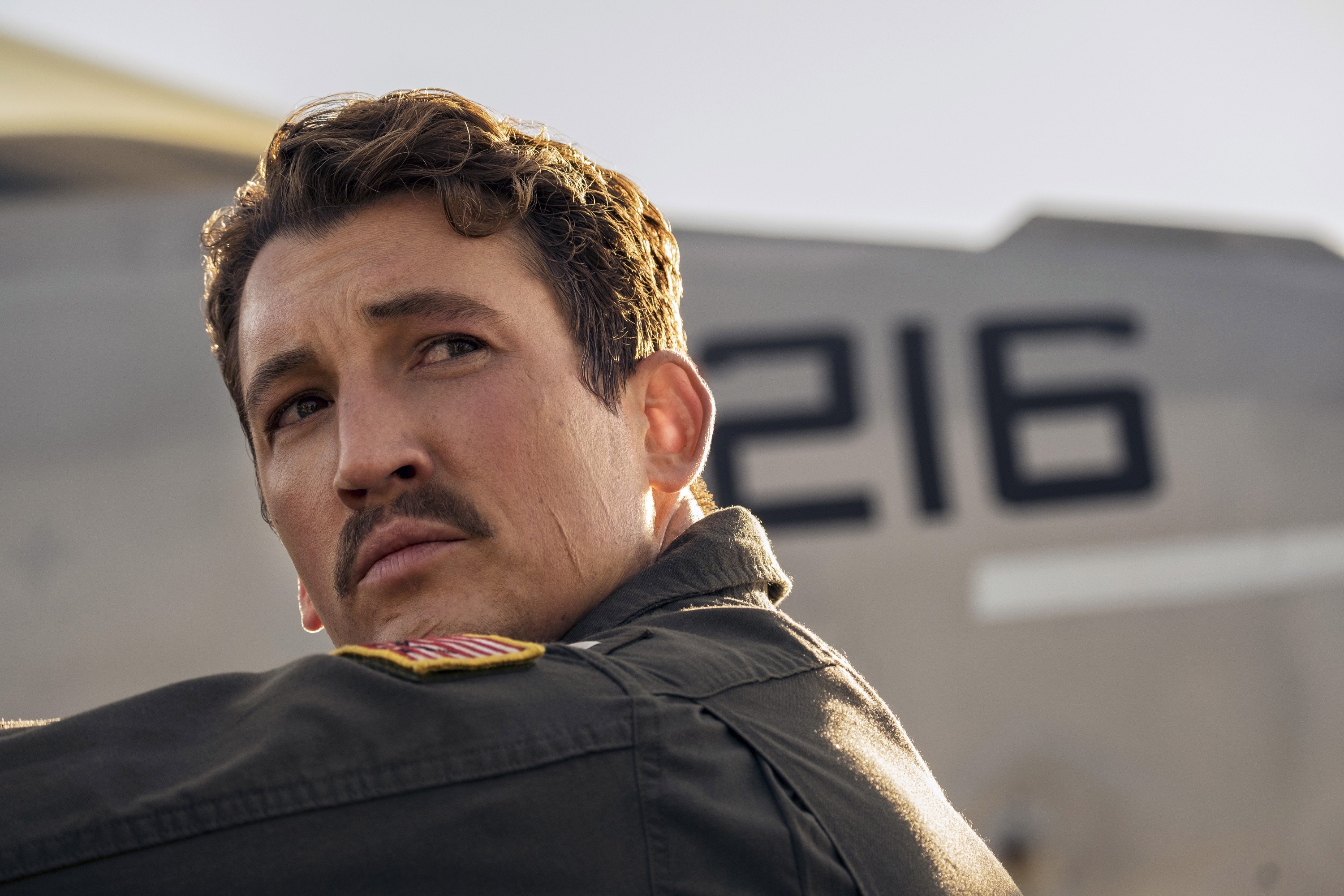
Lt. Bradley “Rooster” Bradshaw carries the emotional weight of the biggest domestic box office event of 2022, and Teller ensures you register every pound of it. The simmering resentment Rooster has toward Pete Mitchell isn’t played as simple antagonism. There’s grief underneath it, and love, and a complicated pride that Miles communicates in small, precise moments. The piano bar scene, where Rooster sits down and starts playing “Great Balls of Fire” and the whole room catches fire around him, is the film announcing itself as something special. The cockpit rescue sequence in the third act pays off everything Teller has been building across the whole film, and the moment Rooster locks eyes with Maverick through the canopy — relief and fury and forgiveness all at once — lands harder than almost anything else in the movie.
1. Whiplash (2014)
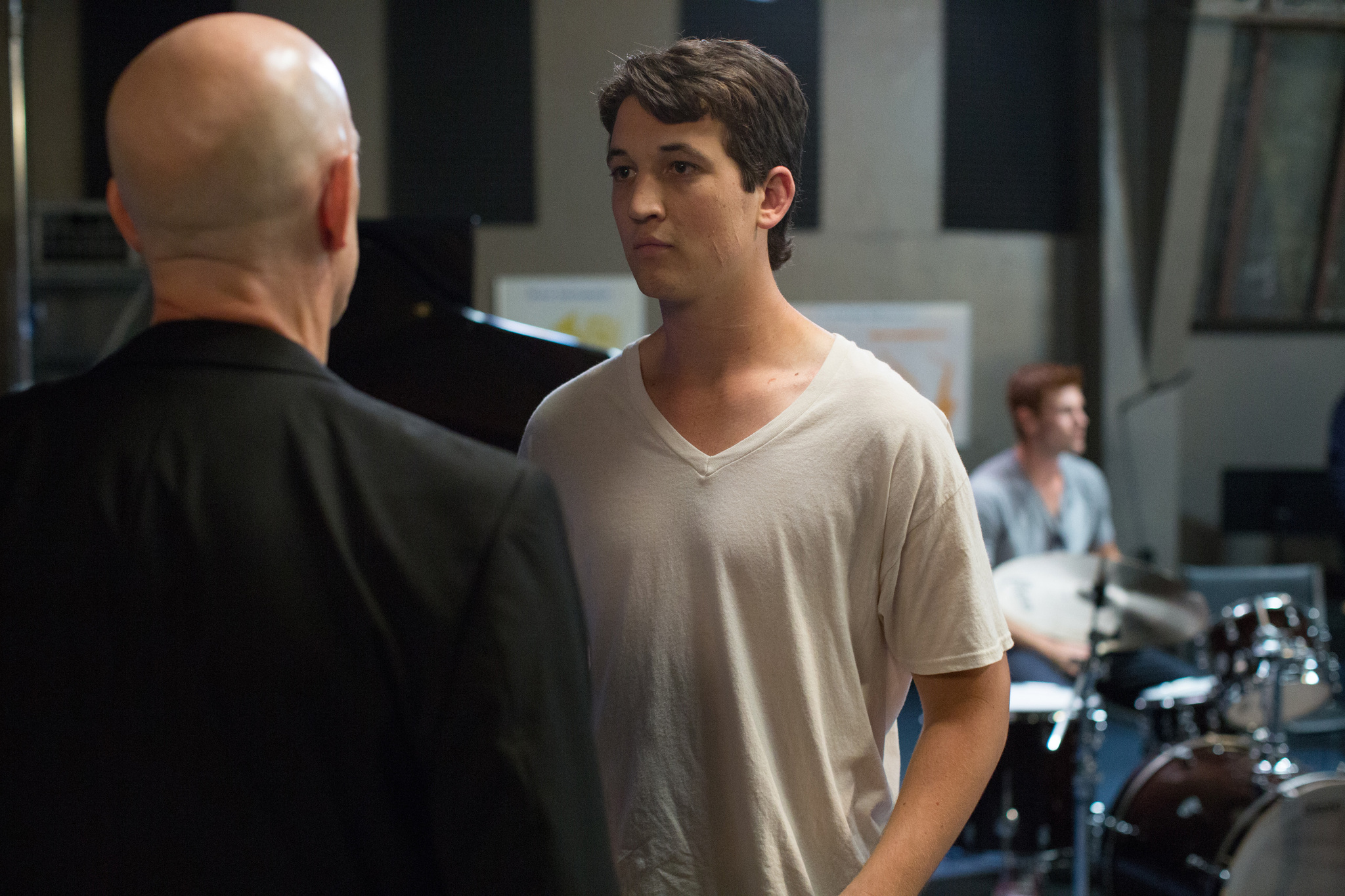
Andrew Neiman wants to be one of the greats, and he’s willing to destroy himself to get there. Teller didn’t just act the obsession: he trained extensively on drums and played the majority of the performance pieces himself, and that physical commitment meant he was genuinely bleeding through takes to make every frame feel earned. The final sequence, where Andrew and Fletcher wage their silent war across a concert stage, is as tense as anything in a thriller. It works because Teller has spent the entire film ensuring you understand exactly what this moment costs. J.K. Simmons’ Fletcher only lands the way he does because Miles gives him something real to push against, and watch how Teller plays the moment Andrew defies him mid-performance — jaw set, eyes locked forward, hands still moving — like someone who has finally decided that surviving the thing he loves is no longer enough.

Written by Miranda Davies
Film & TV Enthusiast
Hi, my name is Miranda Davies, and I’ve loved film and television all of my life. Some of my earliest memories involve me and family or friends catching the latest movies, or reclining on the couch to catch some awesome television, and I want to share that passion with fellow fans like you! The best way to celebrate film and television is to chat about it with people as equally passionate as you, so this website will be dedicated to being a hub for those that want to chat about their obsessions in a safe and welcoming environment that is fun to visit!
More about the author