
Top 13 Elle Fanning Movies, Ranked
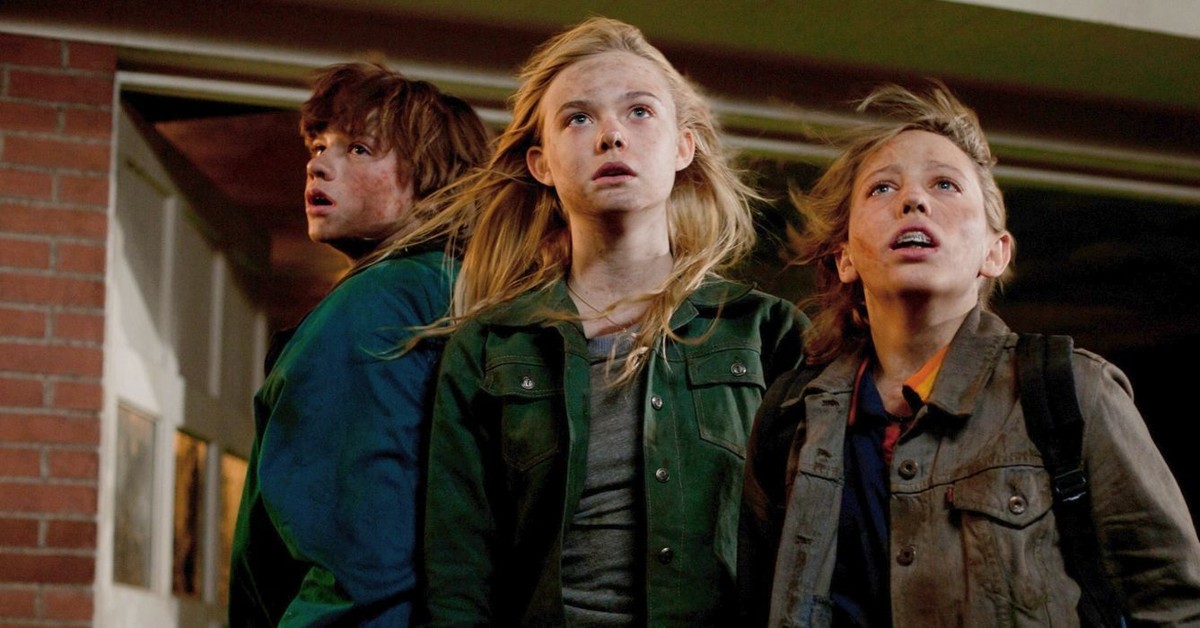
There’s a version of Elle Fanning’s career where she coasts on charm and good looks, picks safe projects, and becomes a perfectly pleasant Hollywood fixture. She chose the opposite. From a haunting child performance in a Moroccan desert to a full-on fever-dream horror film to doing her own singing in an indie pop musical, she has consistently picked the harder road. At TV Hulk, we ranked these performances by how much they stuck with us after the credits rolled — the roles where she disappeared so completely into a character that you stopped thinking about the actress and just believed the person. Thirteen films, one genuinely fascinating career.
13. Galveston (2018)
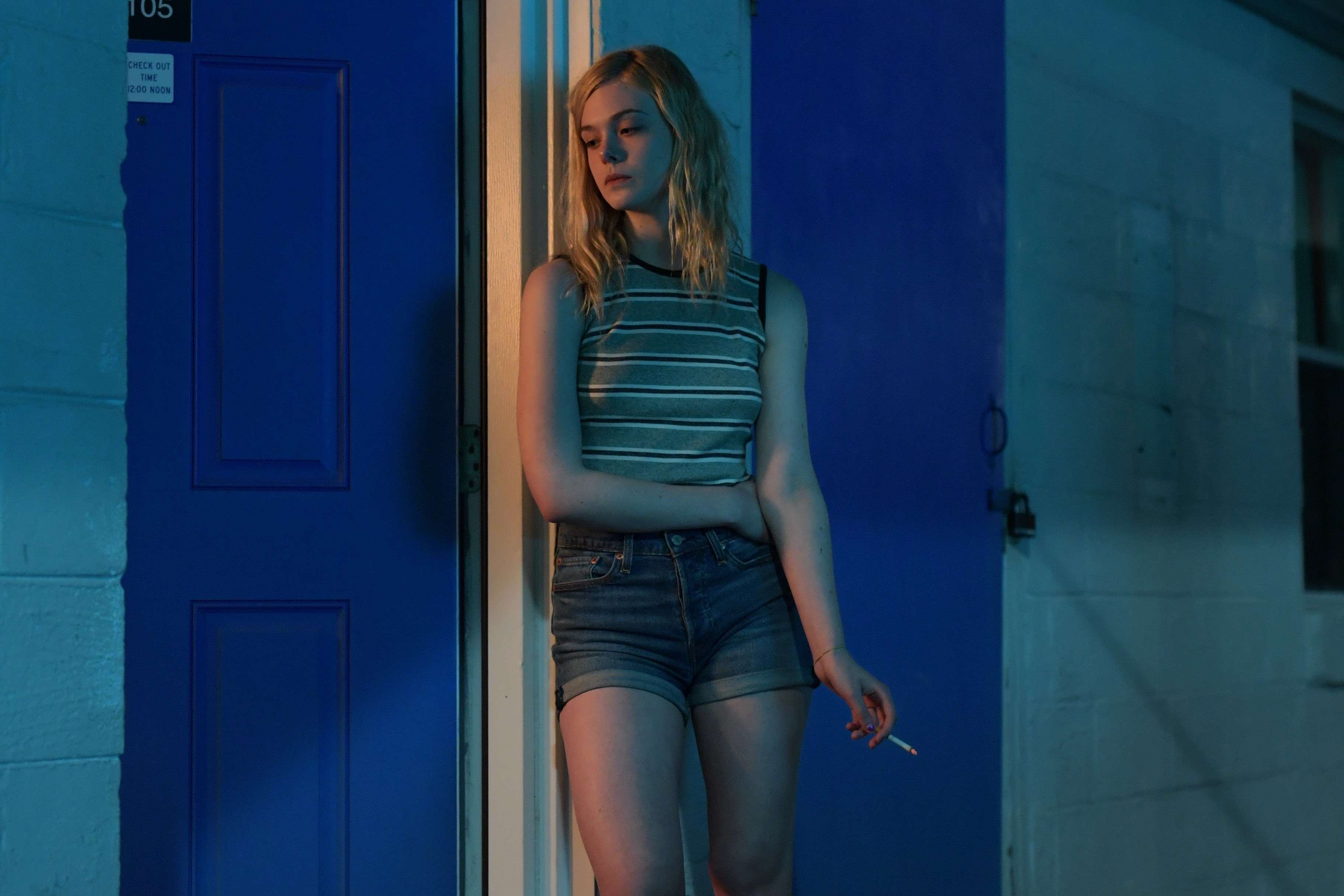
Raquel Arceneaux is introduced as a girl in a bad situation, but Fanning makes it clear within minutes that Raquel has been navigating bad situations her whole life and has gotten very good at it. Opposite Ben Foster in this Nic Pizzolatto adaptation, she plays the toughness as something worn-in rather than performed — there’s a scene where Raquel sizes up a room full of dangerous men and you can see her calculating, quietly, how to survive it. It’s a gritty, unglamorous piece of work with zero vanity attached to it. The film had a limited run and most people missed it entirely, but her work here is the kind of thing that makes you wish, with some frustration, that more people had shown up.
12. My Neighbor Totoro (2005)
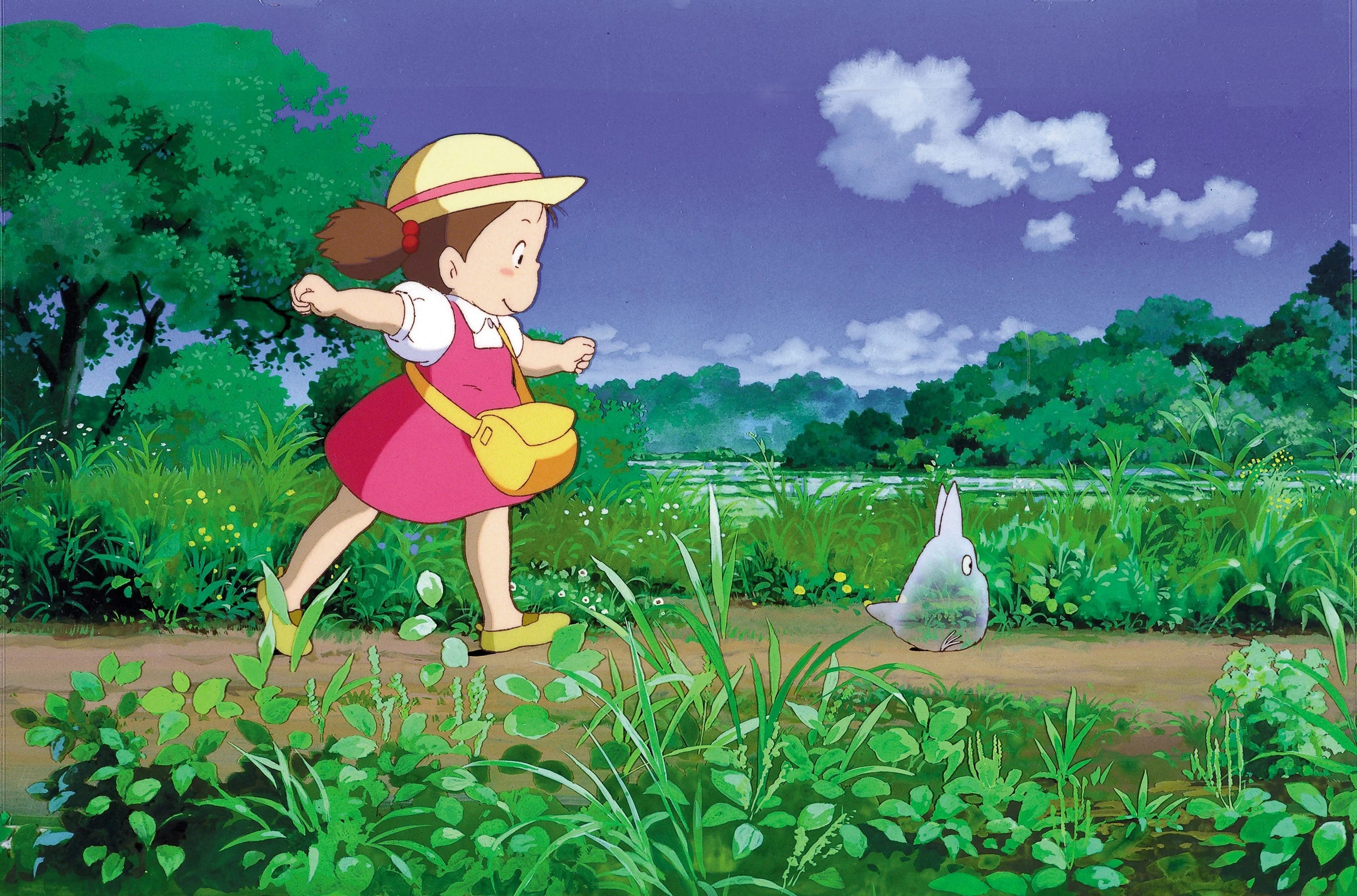
Voice work is easy to undervalue, but what Fanning does with Mei in the Disney English dub of Miyazaki’s beloved film is worth paying attention to. She was a very young child at the time of recording, and the performance has this completely uncontrived breathlessness to it. When Mei first discovers the little Totoros in the camphor tree and starts shrieking with excitement, it sounds exactly like a real kid who can’t contain herself, not a child actor hitting a mark. There’s no overselling, no cuteness pushed past its natural limit. For a whole generation of English-speaking kids who grew up on this dub, her Mei became the definitive version of that character, and it’s easy to hear why.
11. Phoebe in Wonderland (2008)
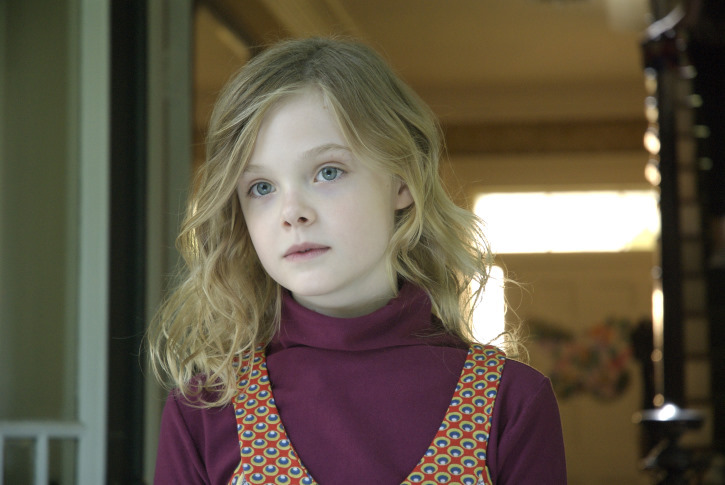
Phoebe Lichten is the whole movie, and Fanning carried it at such a young age. The film follows a girl whose fixation on Alice in Wonderland starts to reveal something deeper: an undiagnosed OCD that isolates her from classmates and frightens her parents. The performance never simplifies what Phoebe is going through into something easy to watch. There’s a scene during a school rehearsal where Phoebe loses control of a compulsive behavior in front of everyone, and Fanning plays the shame and confusion of that moment with a specificity that doesn’t feel coached at all. The film deserves far more attention than it ever received.
10. Babel (2006)
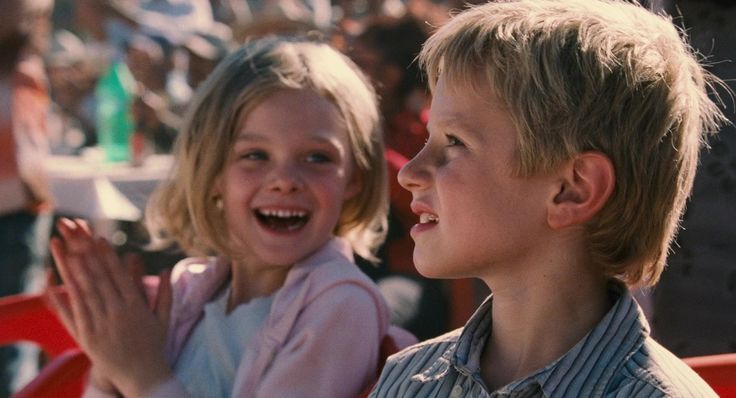
Seven years old, and already holding her own in an Alejandro González Iñárritu ensemble that included Cate Blanchett and Brad Pitt. Fanning plays Debbie Jones, an American girl caught in a terrifying situation in Morocco, and what she brings to those scenes is the specific, unfiltered fear of a child who doesn’t understand why the adults around her can’t fix things. When Debbie cries, it doesn’t look like movie crying. It looks like a kid who is scared to her core and exhausted. The adult cast drew most of the attention, but Fanning’s scenes land with a weight that’s hard to shake. It’s a remarkable early data point for just how naturally gifted she was.
9. Teen Spirit (2018)
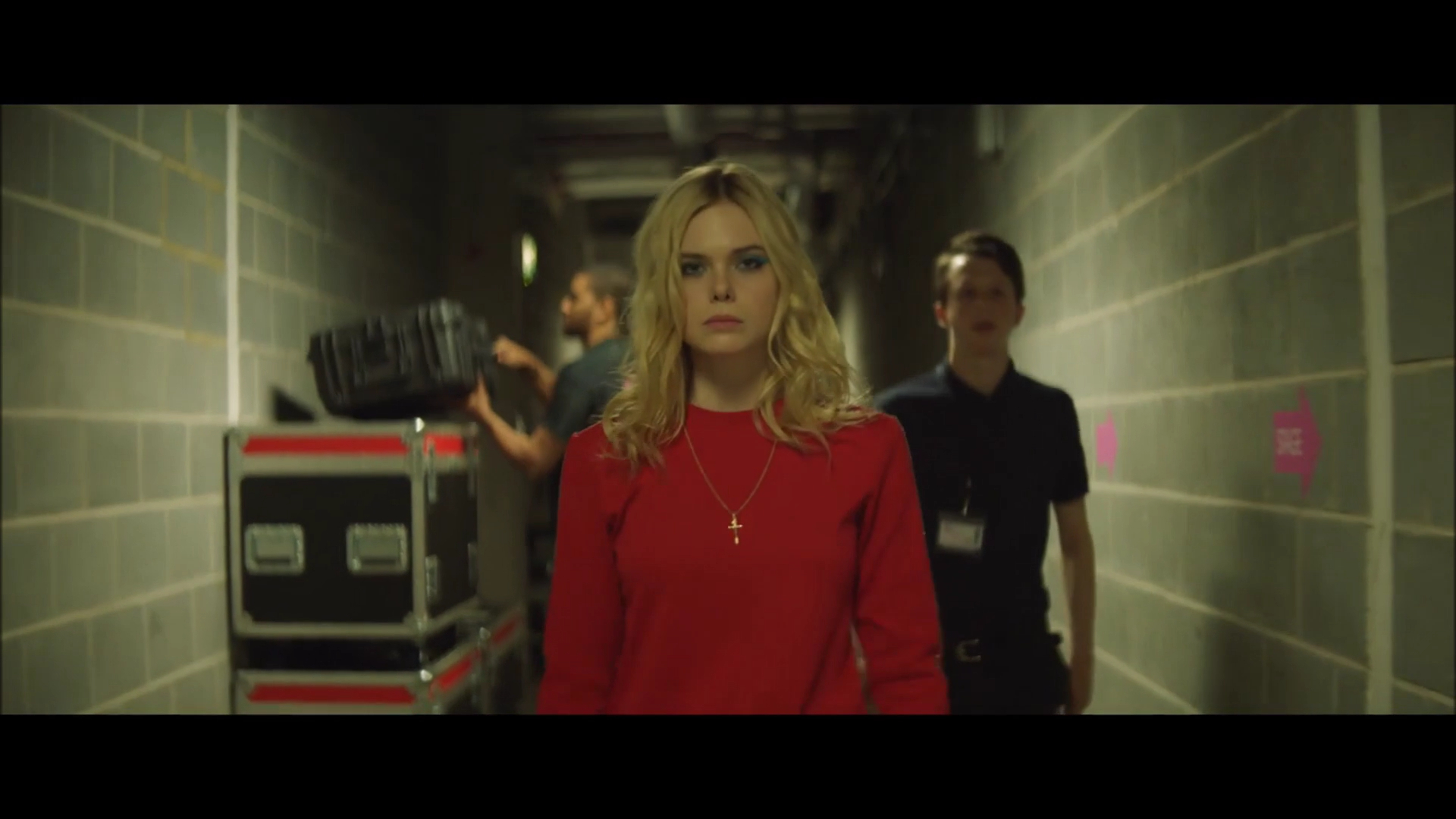
Violet doesn’t say much in the early scenes of this film, and that’s the point. She’s a shy Polish immigrant in rural England who has learned to take up as little space as possible. Fanning doing her own singing was the headline when this came out, and the voice holds up, but what makes the performance work is the vulnerability she wraps around every performance sequence. There’s a moment during an early audition where Violet finishes singing and looks up at the judges with this expression that’s equal parts hope and braced-for-rejection, and it communicates everything about who this girl is. The film is an underrated showcase that most casual fans haven’t found yet, which is exactly why it earns its place here.
8. Maleficent Franchise (2014–2019)
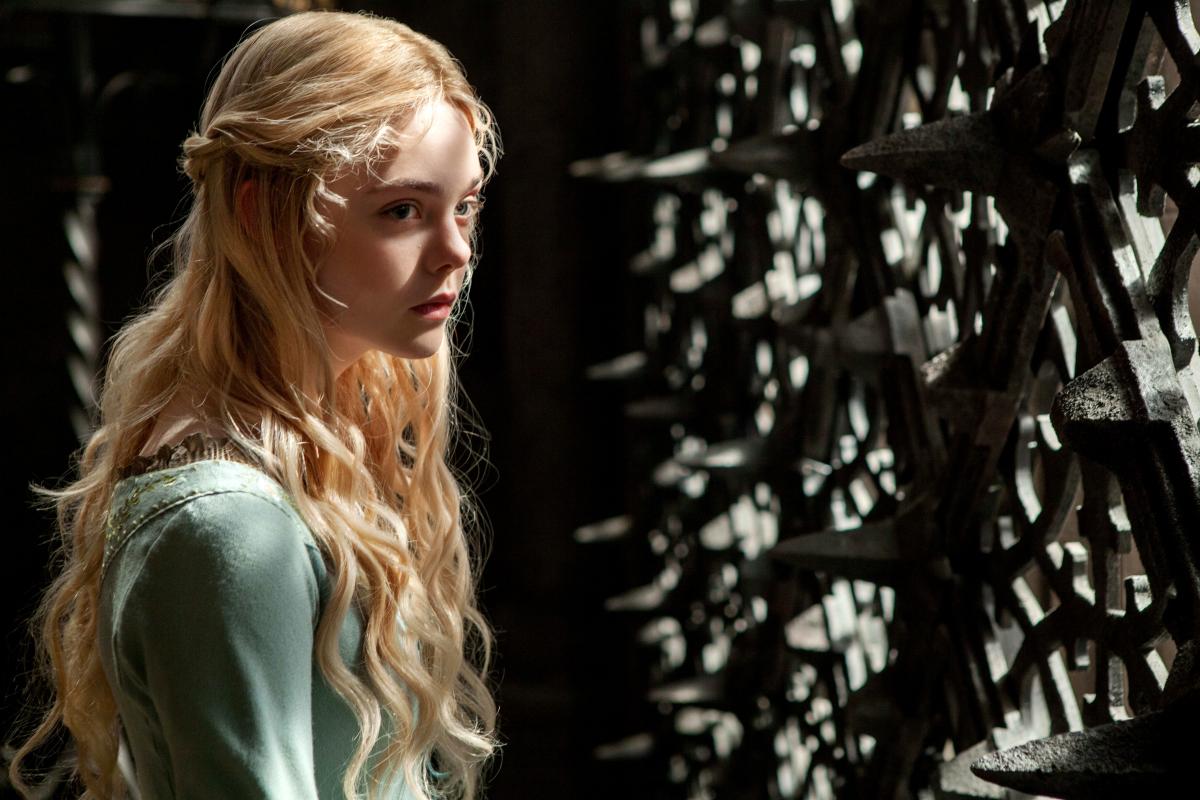
Aurora could have been a thankless role, the sweet, passive girl who exists to give Maleficent someone to love. Fanning refuses that reading. In the first film, the scene where Aurora discovers Maleficent watching over her in the Moors and runs toward her with complete, fearless joy reframes the whole story: this isn’t a girl being protected, it’s a girl who has chosen her family. In the second film, she plays Aurora’s grief and resolve with a quiet stubbornness that keeps the character from tipping into naivety, especially in the moment she stands between Maleficent and her mother and refuses to move. She makes Aurora warm and curious and meaningfully active in the emotional logic of Maleficent’s arc, even when the scripts don’t always do her the same favor.
7. A Complete Unknown (2024)
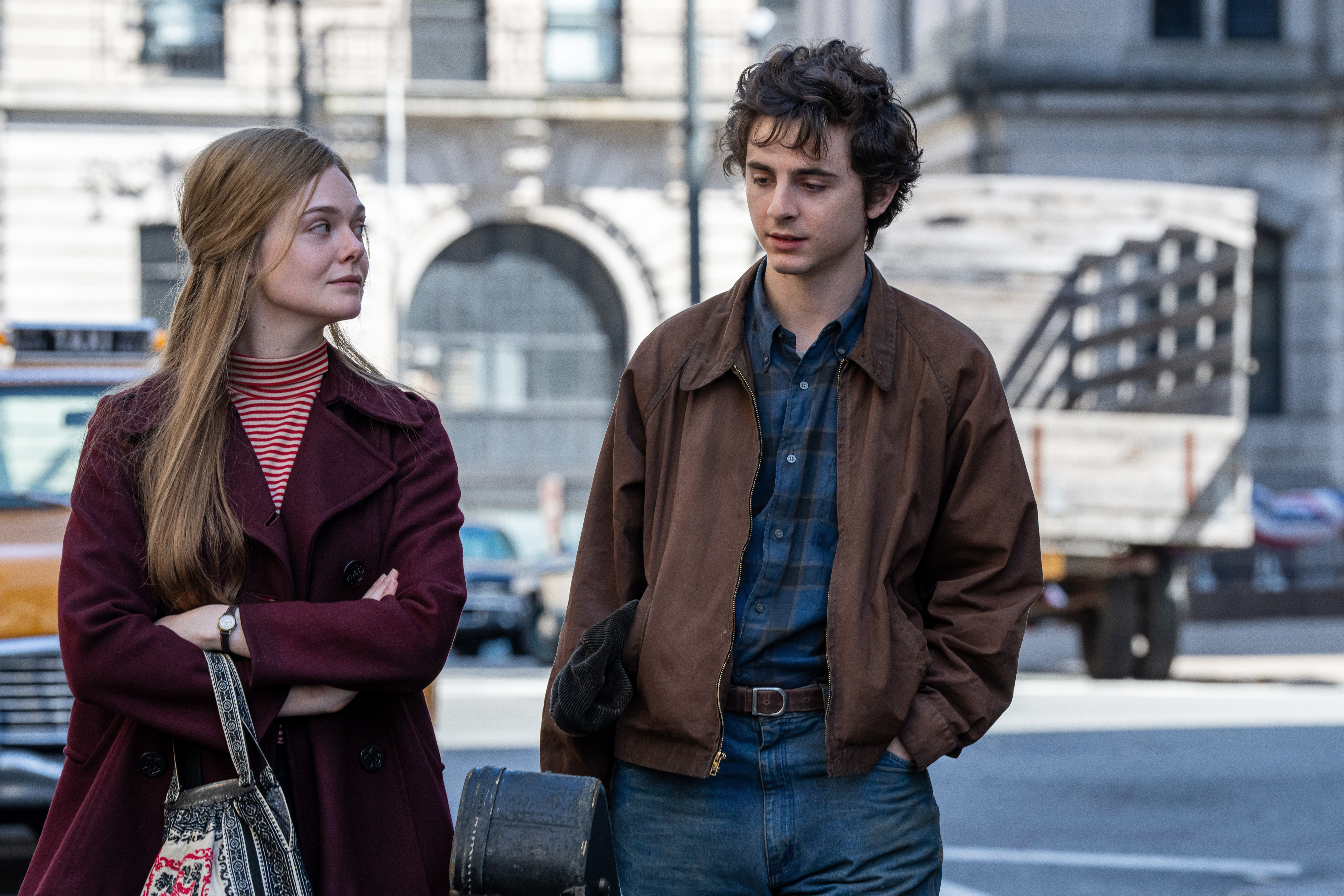
Sylvie Russo enters the film as the woman who loved Bob Dylan before the world knew his name, and Fanning plays that position — intimate witness to someone becoming a legend — with a quiet, accumulating heartbreak. She’s warm in the early scenes, visibly in love, and you believe it completely. The harder work comes later, as Dylan’s ambition starts to crowd out everything else, and Fanning handles Sylvie’s gradual sidelining without ever tipping into martyrdom. There’s a moment late in the film where she’s essentially watching Dylan from across a room full of people who now worship him, and the way Fanning holds that stillness — not devastated, not resigned, just quietly absorbing the distance — lands harder than any confrontation scene could.
6. The Beguiled (2017)
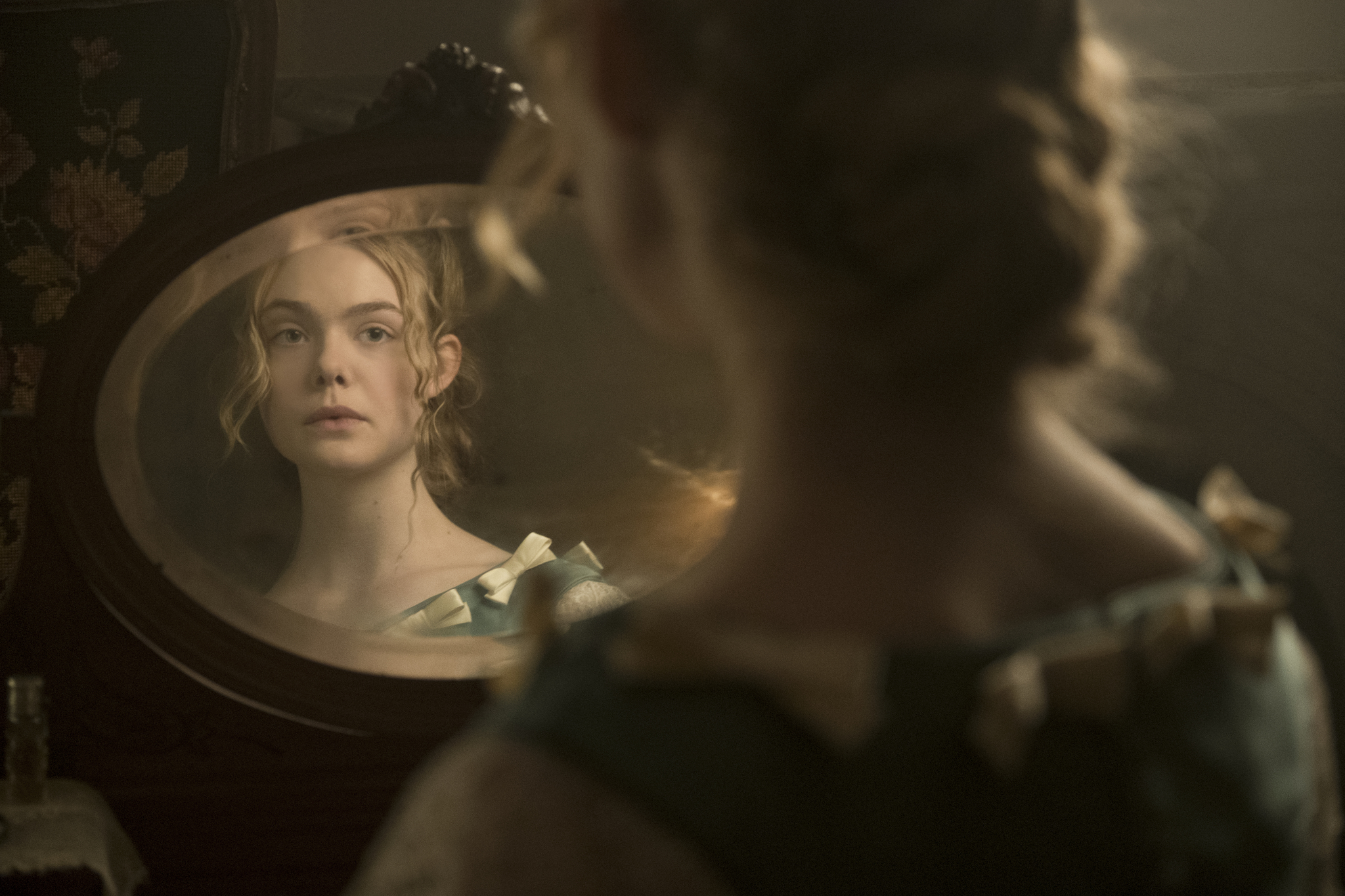
Alicia is the most openly dangerous person in Sofia Coppola’s simmering Southern Gothic, and Fanning leans into that with a confidence that’s striking in an ensemble full of restrained, controlled performances. Where the other women at the seminary are guarded around the wounded Union soldier played by Colin Farrell, Alicia is openly predatory. She wants what she wants and she’s not particularly interested in hiding it. The dinner scene where she arrives dressed to provoke and watches the room react is the film’s most electrically charged moment, and Fanning plays it with the calm of someone who knows exactly what she’s doing. She’s the live wire running through the whole picture.
5. 20th Century Women (2016)
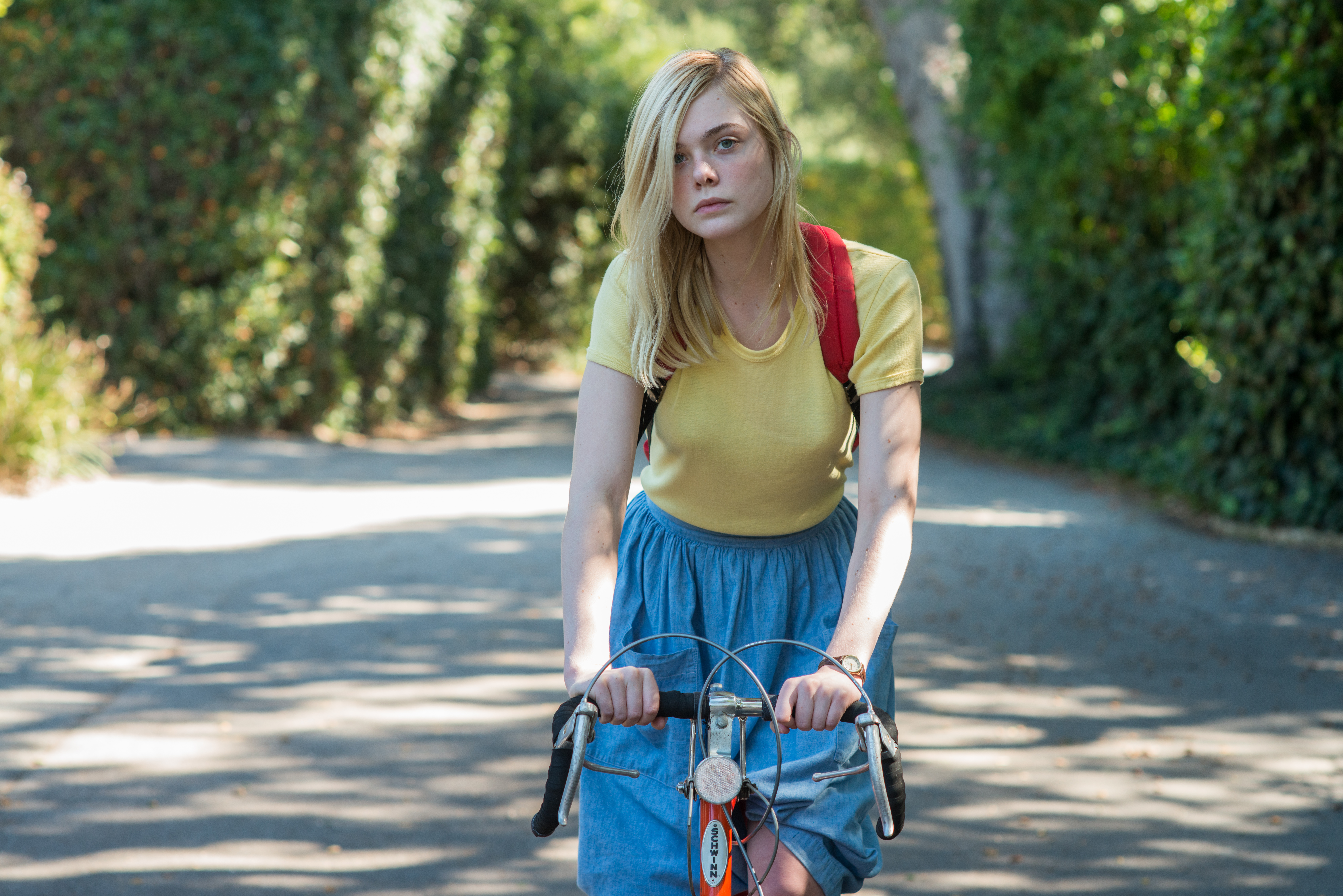
Julie is not an easy character to like, and that’s precisely what makes Fanning’s performance in Mike Mills’ film so interesting. She’s a teenager who keeps the boy who loves her close enough to need her but far enough away to hurt him, and Fanning plays that casual emotional cruelty as something Julie has no real awareness of yet. There’s a late-night conversation scene where Julie explains, with complete sincerity, why she and Jamie can never be together, and the performance is so honest that you can’t quite be angry at her. She holds her own against Annette Bening and Greta Gerwig in an ensemble where everyone is doing their best work, and she does it by making Julie feel like a real teenager rather than a movie one.
4. Somewhere (2010)
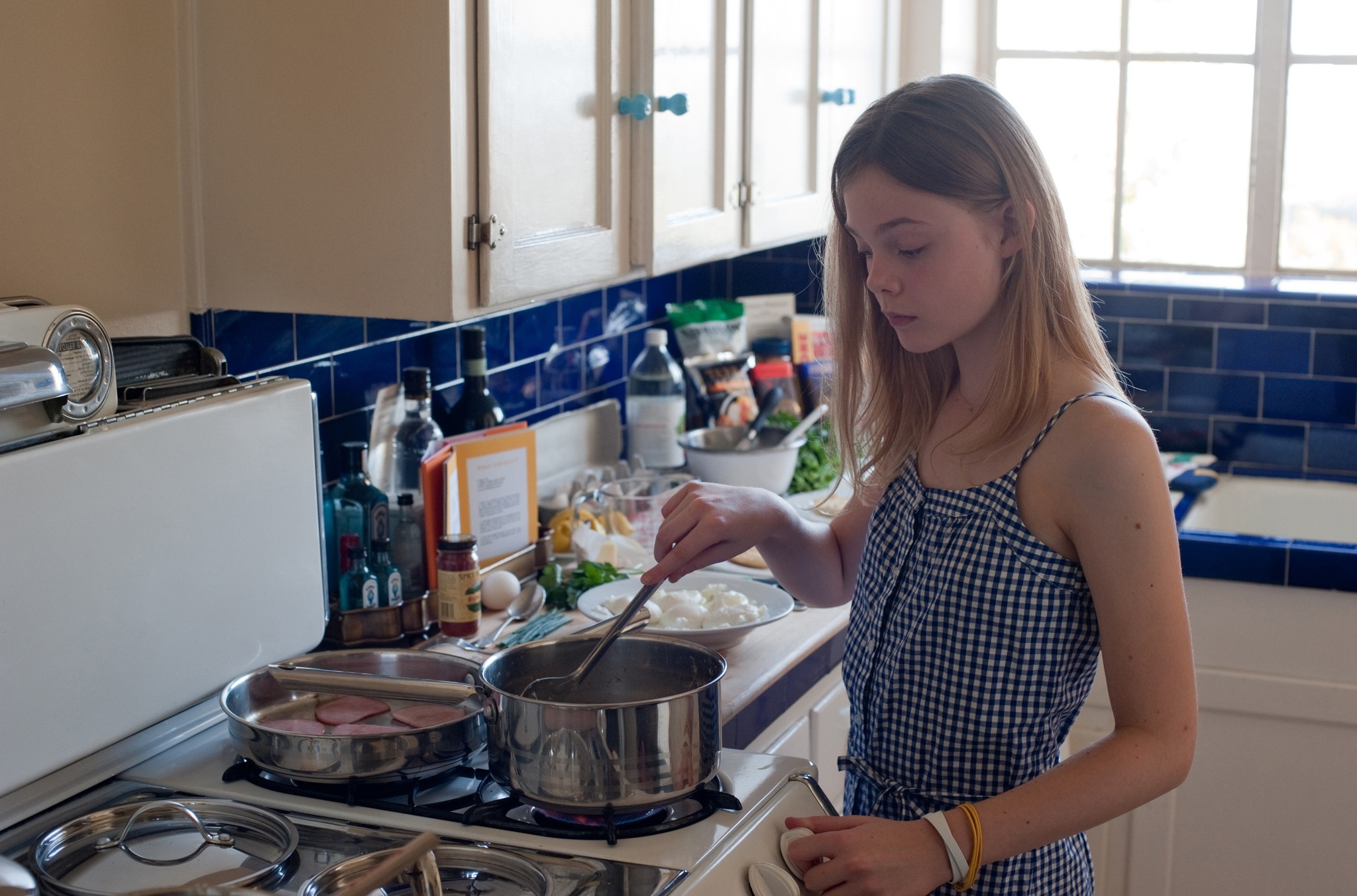
Cleo doesn’t announce herself. She just shows up in her father’s hotel room with her ice skates and her homework, and Sofia Coppola lets the camera watch her. The ice-skating routine, performed for an audience of one, her distracted, hollowed-out father, is the emotional center of the entire film, and Fanning plays it with a restraint that most adult actors would struggle to find. She never pushes for sympathy. The loneliness is just there, in the way Cleo watches her father’s face for signs that he’s actually present, in the quiet poolside scenes where she seems to understand more about their situation than she lets on. It’s the kind of quiet, lived-in work that you don’t forget once you’ve seen it.
3. The Neon Demon (2016)
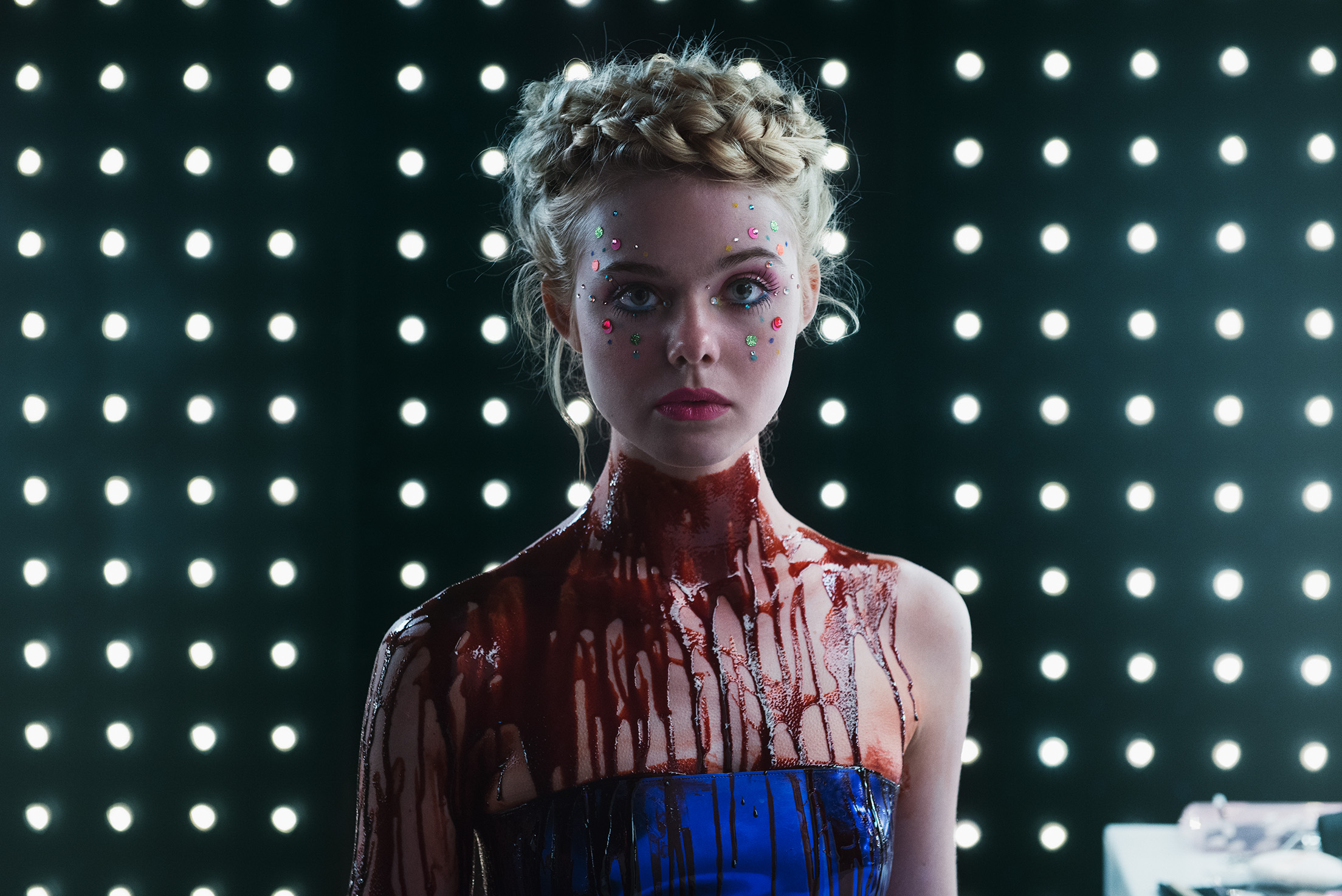
Jesse arrives in Los Angeles with almost nothing, no connections, no history, barely a personality, and Fanning plays that blankness as something stranger and more unsettling than innocence. Nicolas Winding Refn’s horror film works because Jesse’s passivity functions as a kind of weapon: the more she absorbs the industry’s projections onto her, the more dangerous she becomes, and Fanning communicates that transformation almost entirely through stillness and the way she starts to hold eye contact a beat too long. There’s a scene in front of a mirror where Jesse finally acknowledges her own beauty, and it unsettles you in a way that’s hard to shake because you can’t tell if she’s being corrupted or just finally telling the truth. It’s the boldest choice of her career up to that point, and she commits to it completely.
2. Sentimental Value (2025)
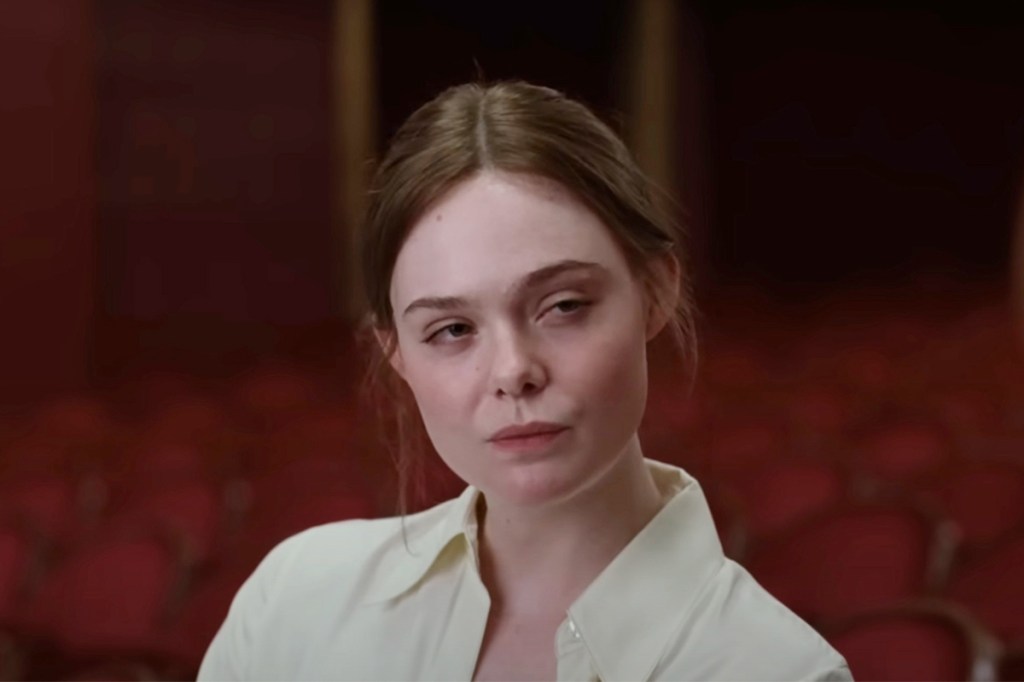
Rachel Kemp is the kind of role that requires an actor to be fully present in Joachim Trier’s quiet family drama — Fanning makes sure she is. She earned an Academy Award nomination for Best Supporting Actress for it, and you understand why the moment you clock what she’s doing in that dinner scene midway through: she has maybe two lines, but her eyes are doing something completely different from her mouth, holding affection and resentment at the same time without ever tipping into one or the other. It’s the kind of thing you only notice because you can’t stop watching her face. The way she listens while other characters talk is just as loaded as anything she actually says out loud.
1. Super 8 (2011)
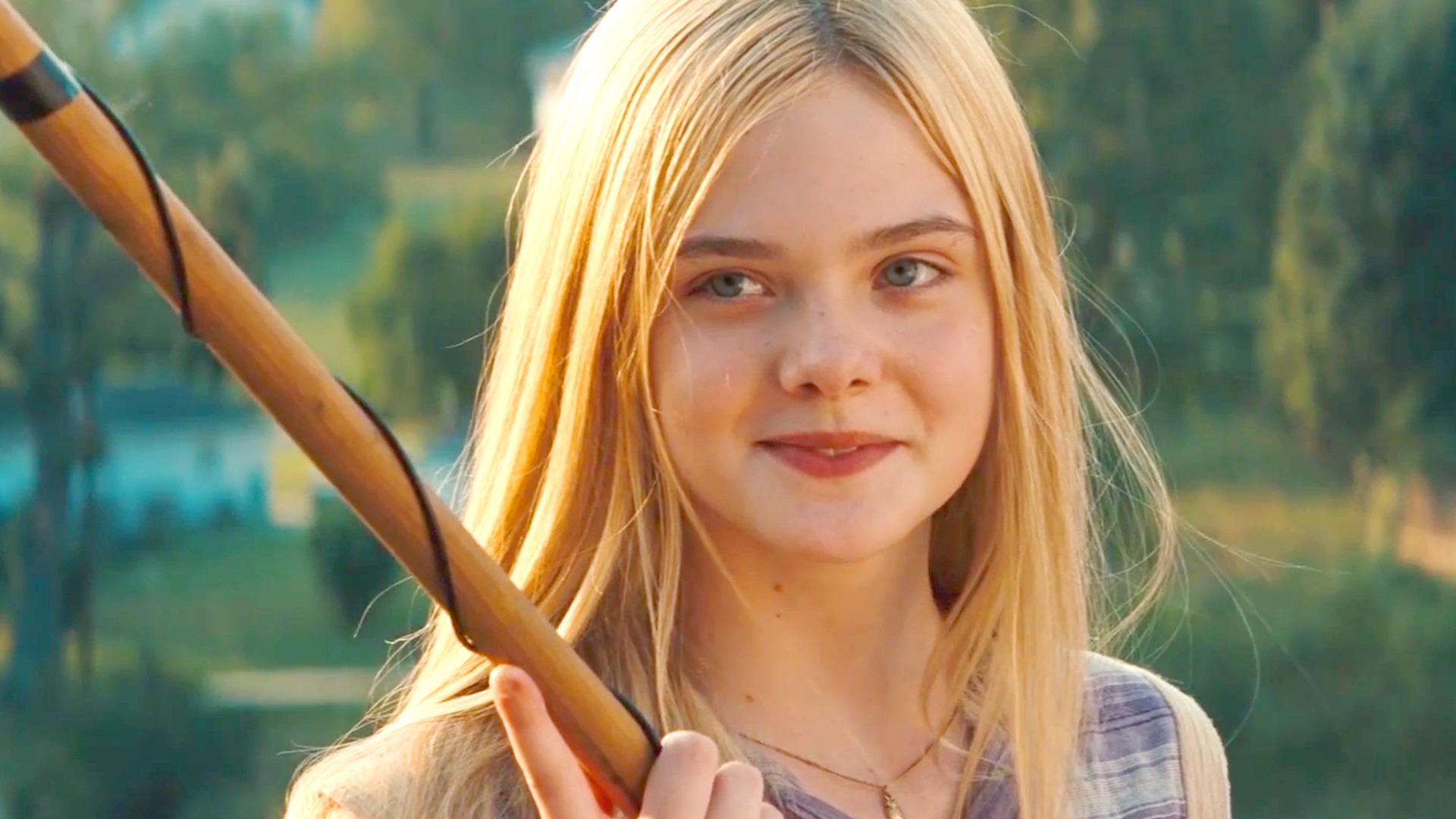
Alice Dainard is the role that changed everything. J.J. Abrams’ love letter to Spielberg-era adventure gave Fanning a scene that most adult actors would have struggled with: a fully committed, emotionally raw performance within a performance, as Alice films a zombie movie with a group of kids and delivers something of surprising depth that captivates her young co-stars. The tears are real, the desperation is real, and the moment stops the film cold. Her co-stars are good throughout Super 8, but in that scene Fanning is operating on a completely different level, and everyone in the theater felt it. She’s spent her career since then choosing projects that could fail and making them work, from Catherine the Great in The Great to Michelle Carter in The Girl from Plainville, but what you keep coming back to is that zombie movie scene — specifically the way Alice’s voice cracks mid-line and she doesn’t smooth it over, just lets it sit there, raw and unresolved, while the other kids go completely still around her.
Written by Miranda Davies
Film & TV Enthusiast
Hi, my name is Miranda Davies, and I’ve loved film and television all of my life. Some of my earliest memories involve me and family or friends catching the latest movies, or reclining on the couch to catch some awesome television, and I want to share that passion with fellow fans like you! The best way to celebrate film and television is to chat about it with people as equally passionate as you, so this website will be dedicated to being a hub for those that want to chat about their obsessions in a safe and welcoming environment that is fun to visit!
More about the author