
Top 13 Gerard Butler Movies, Ranked
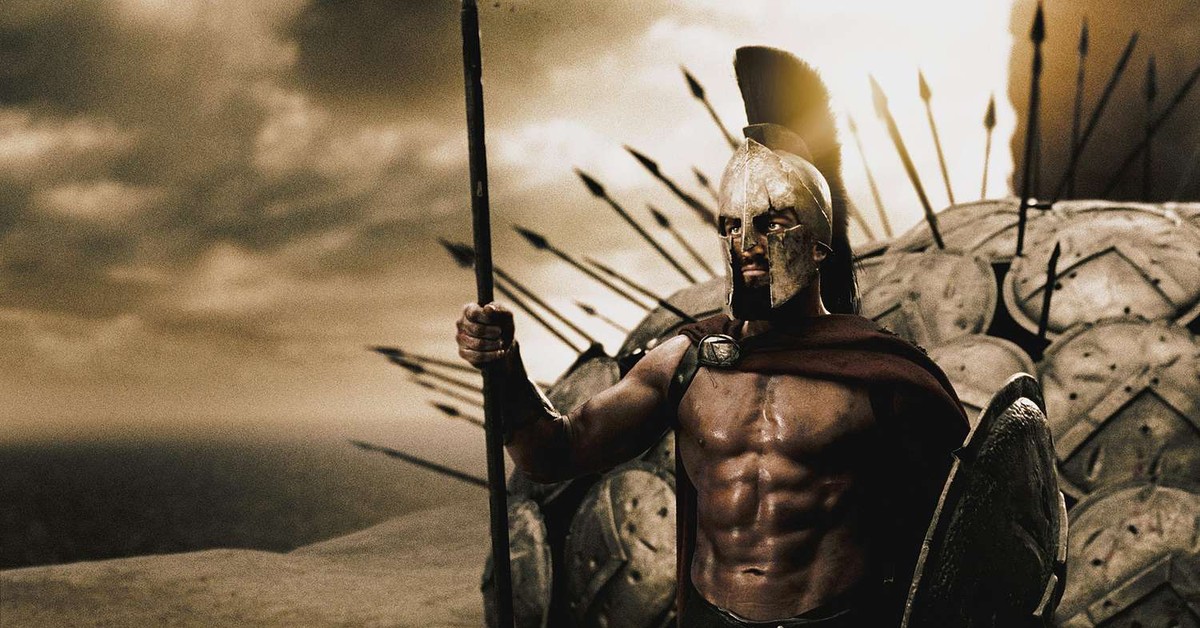
There’s a version of Gerard Butler’s career where he plays it safe after 300 and coasts on action sequels forever. Instead, he sang the Phantom, played a morally bankrupt cop, voiced a Viking dad, and kept swinging at roles that didn’t always land but were never boring. At TV Hulk, we ranked these performances by how much Butler himself made a difference — the roles where his specific energy, physicality, or emotional commitment changed what a scene could be. Some of these films are great, some are messy, but every entry on this list has a Butler performance worth talking about.
13. RocknRolla (2008)
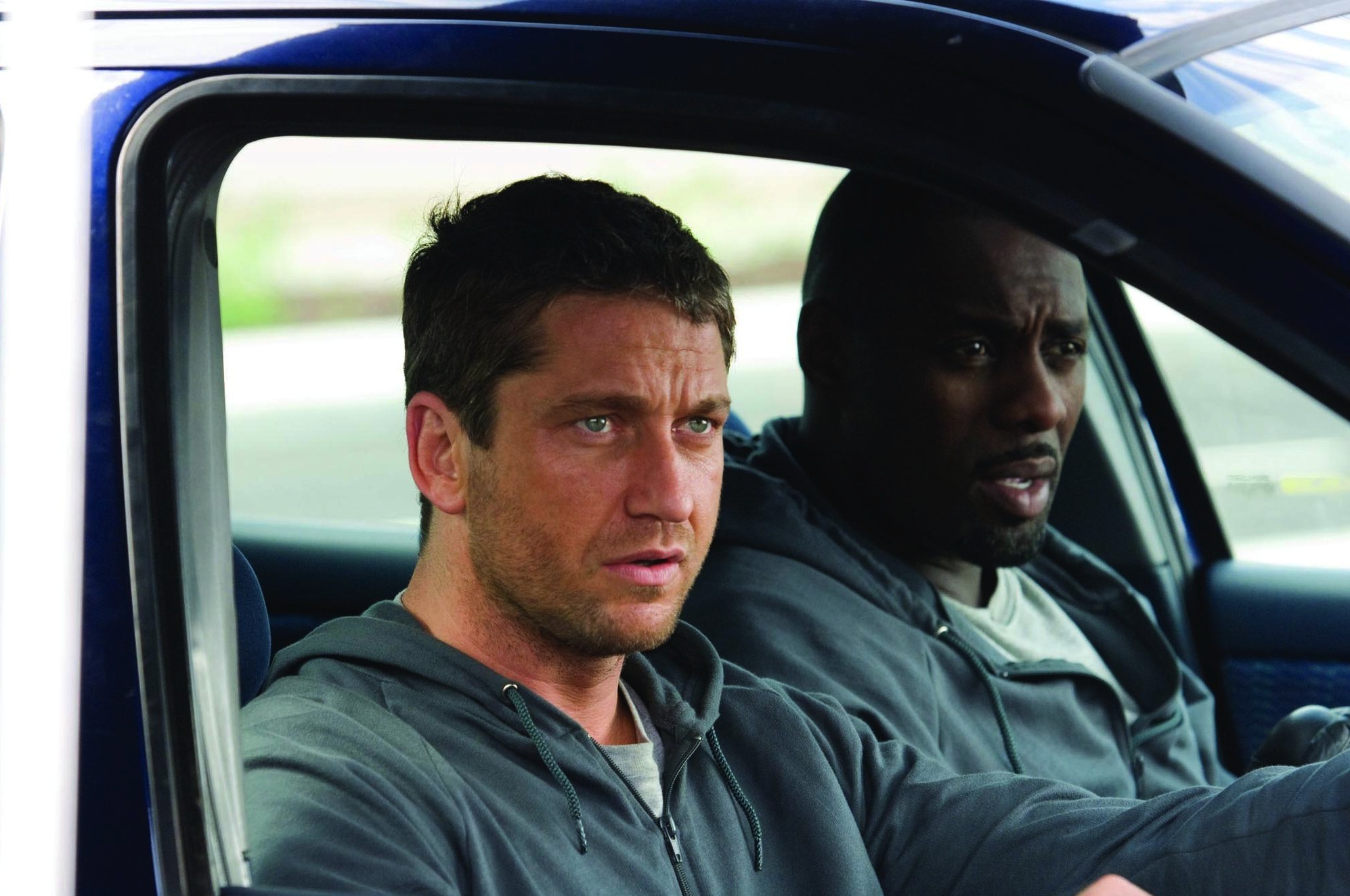
One-Two is the loosest, most relaxed Butler has ever been on screen, and it suits him. Sliding into Guy Ritchie’s tangled London criminal underworld, he plays the wry, unhurried small-time operator with a dry wit that his bigger action roles rarely make room for. There’s a scene where he’s explaining a financial scheme gone wrong with the kind of weary, deadpan calm that makes you realize Butler is actually pretty funny when directors let him breathe. The film has held onto a devoted cult following among British crime genre fans, and a big part of that loyalty comes from how comfortable and charismatic he is in it. It’s a lighter, more playful register that his filmography could honestly have used more of.
12. Machine Gun Preacher (2011)
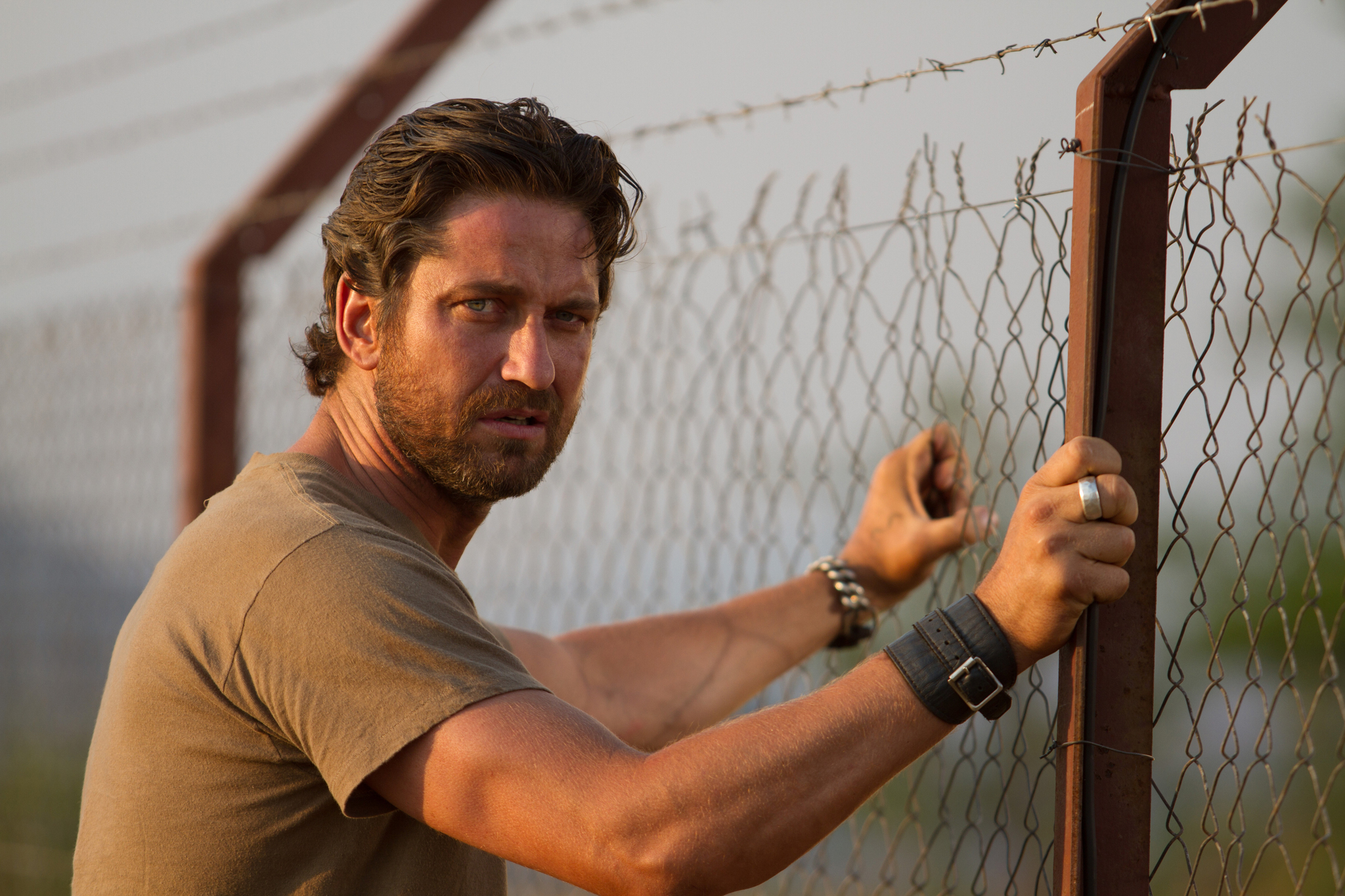
Sam Childers is a contradiction Butler commits to fully: a biker with a violent past who finds religion and then builds an orphanage in war-torn Sudan while still being, frankly, kind of a dangerous man. The film’s best moments come when Butler refuses to sand down Childers’ rough edges — there’s a scene where Sam confronts a Sudanese warlord with a barely contained fury that makes you believe this guy actually did the things the real Childers did. The performance has a raw sincerity that separates it from his more polished action work, even if the film itself never quite found its audience. It’s the most ambitious dramatic stretch in his catalog.
11. Coriolanus (2011)
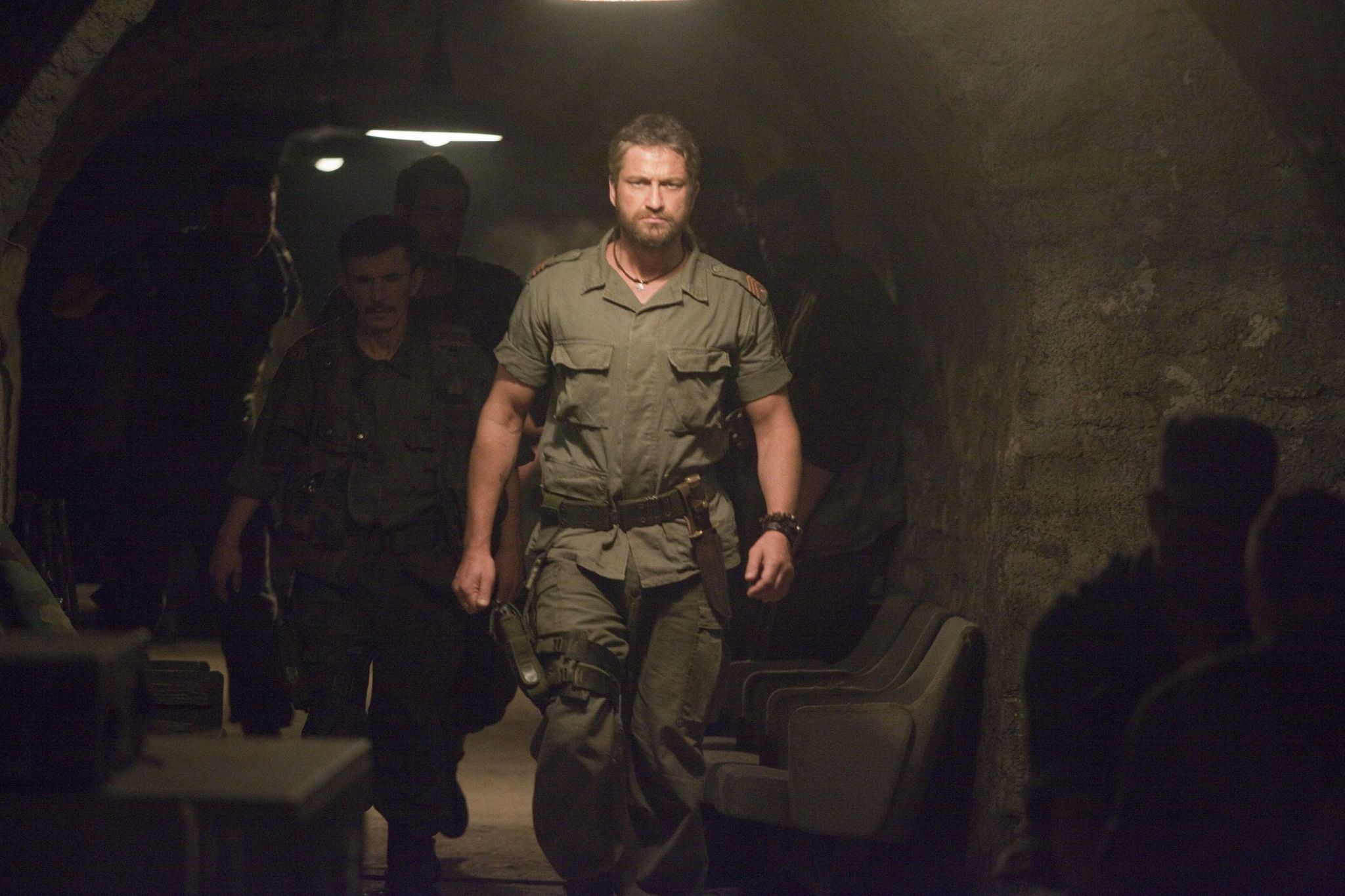
Tullus Aufidius doesn’t get as much screen time as Ralph Fiennes’ title character, but Butler makes every scene count. His Aufidius is coiled and physically threatening in a way that feels genuinely dangerous rather than theatrical, and there’s a stillness to him that makes the moments of violence hit harder when they finally arrive. The final confrontation between the two men crackles with something that goes beyond rivalry, and Butler plays it with a clenched, almost suffocating intensity, his jaw tight and his eyes doing most of the work. The modern-dress setting strips away any classical distance and makes that repressed energy feel raw and immediate. Almost nobody saw it, which makes it the best-kept secret on this entire list.
10. The Ugly Truth (2009)
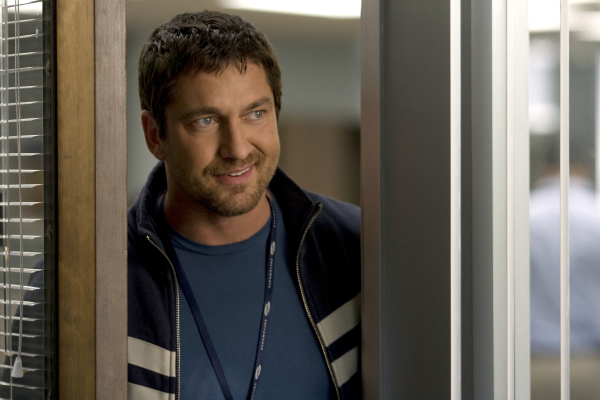
Mike Chadway is obnoxious by design: a cable TV personality who dispenses blunt, politically incorrect relationship advice with maximum swagger and zero self-awareness. Butler leans into every bit of it, and the willingness to be flat-out unlikable for long stretches is what makes the eventual chemistry with Katherine Heigl work better than critics at the time wanted to give it credit for. The scene where he’s coaching her through a date via earpiece while losing his own composure is the film in miniature: broad, shameless, and somehow charming anyway. It pulled in $205 million worldwide, which made it his most commercially successful romantic comedy and proof that his post-300 stardom could cross genre lines with ease.
9. Plane (2023)
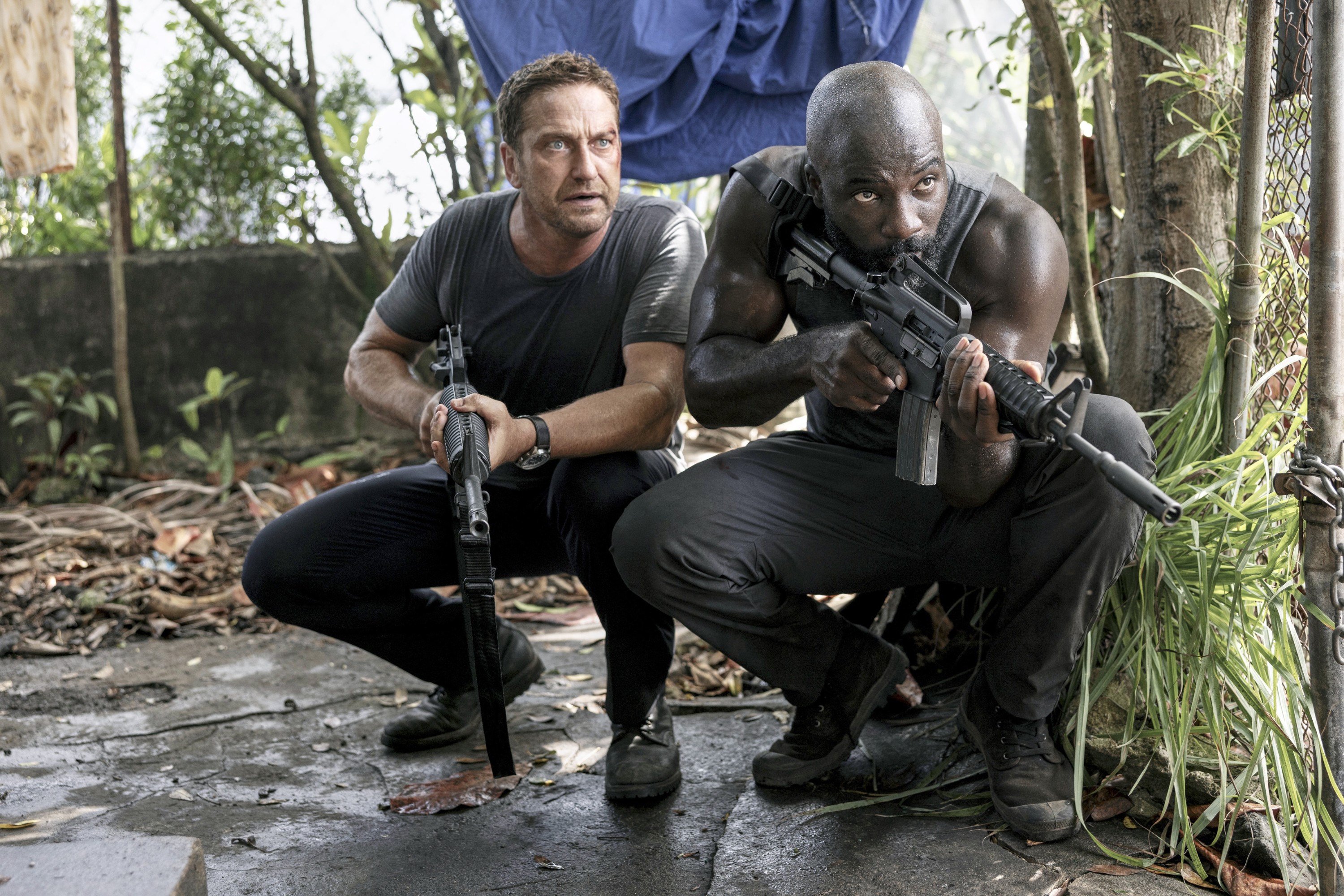
Brodie Torrance lands a crippled commercial jet in a Philippine war zone and then has to survive long enough to matter. Butler plays him with grounded, practical competence that keeps the film from tipping into absurdity. When Brodie is scared, you can see it, and when he makes a decision, it reads as a real person calculating real odds rather than an action hero following a script. The sequence where he and convicted murderer Louis Gaspare (Mike Colter) clear a building together, with almost no dialogue, is the film at its best: two guys who don’t trust each other doing what has to be done. On a modest budget it became his strongest theatrical performer in years, because the premise fits him perfectly.
8. P.S. I Love You (2007)
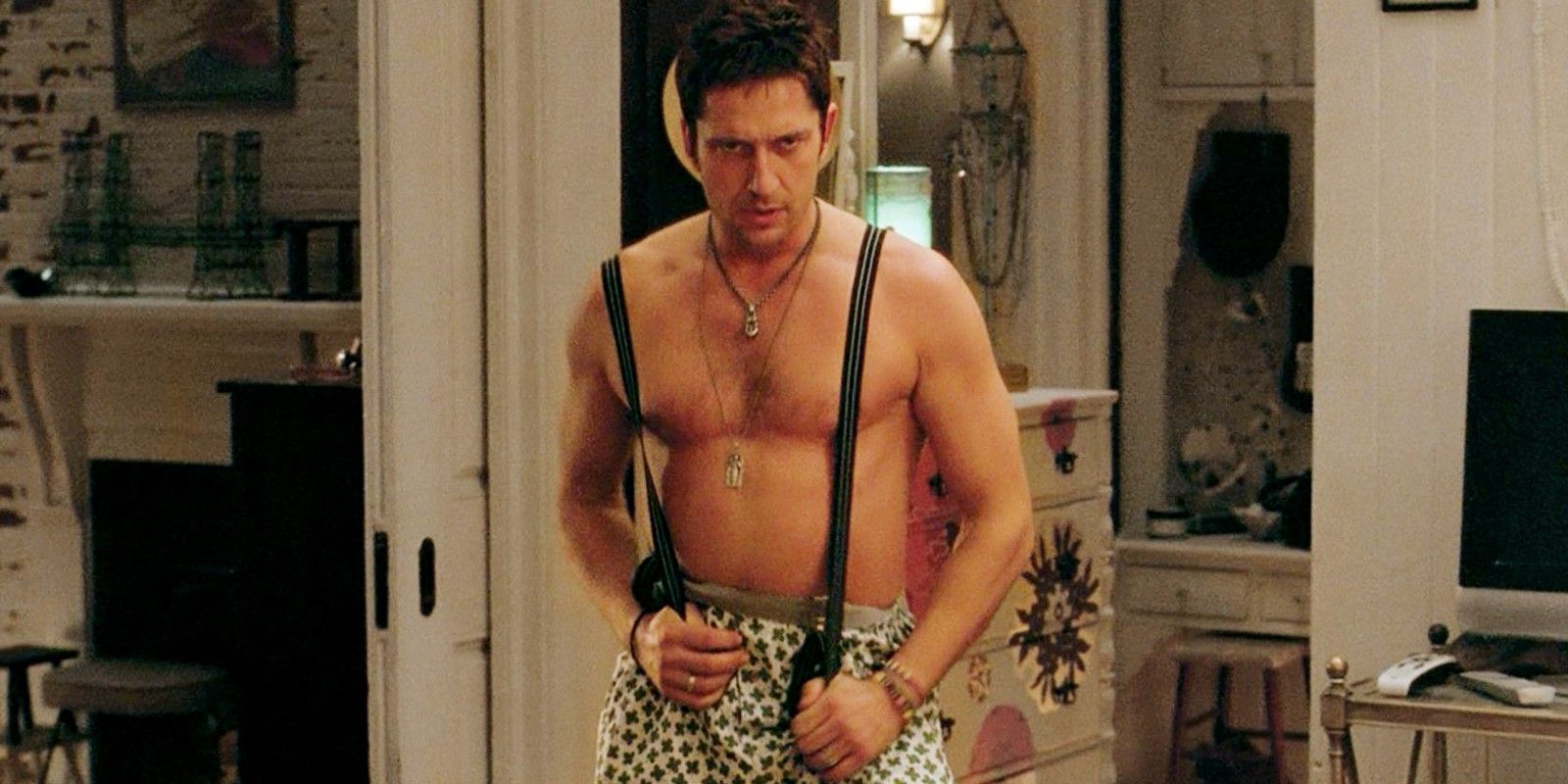
Gerry Kennedy is dead before the story really begins, and yet he’s the reason the whole film works. Butler’s flashback scenes as the charming, irreverent Irish husband are so full of warmth and mischief — particularly the early sequence where Gerry and Holly argue and laugh simultaneously in their tiny apartment — that his absence becomes a physical weight the audience carries through every scene that follows. It’s a tricky thing to pull off: making a ghost feel more alive than the living characters. The film grossed over $156 million, and it’s not hard to see why. Butler brings such easy charisma and genuine tenderness to Gerry that you completely fall for him in just a handful of scenes, which is exactly the kind of performance that makes a film like this land.
7. How to Train Your Dragon Franchise (2010–2019)

Stoick the Vast could have been a stock disapproving-father type, but Butler’s Scottish brogue gives the Viking chief a warmth and weight that makes him feel fully realized as a parent figure. In the first film, the way he delivers Stoick’s pride when he finally understands what Hiccup has accomplished, the shift from disappointment to awe in a single line reading, is the kind of voice work that gets overlooked because animation makes it invisible. His death in How to Train Your Dragon 2 lands as a pivotal and emotional moment for the franchise, and it only works because Butler had spent two films grounding Stoick in something genuinely real. Across three films, the character introduced Butler to an entirely new generation of fans.
6. Den of Thieves (2018)
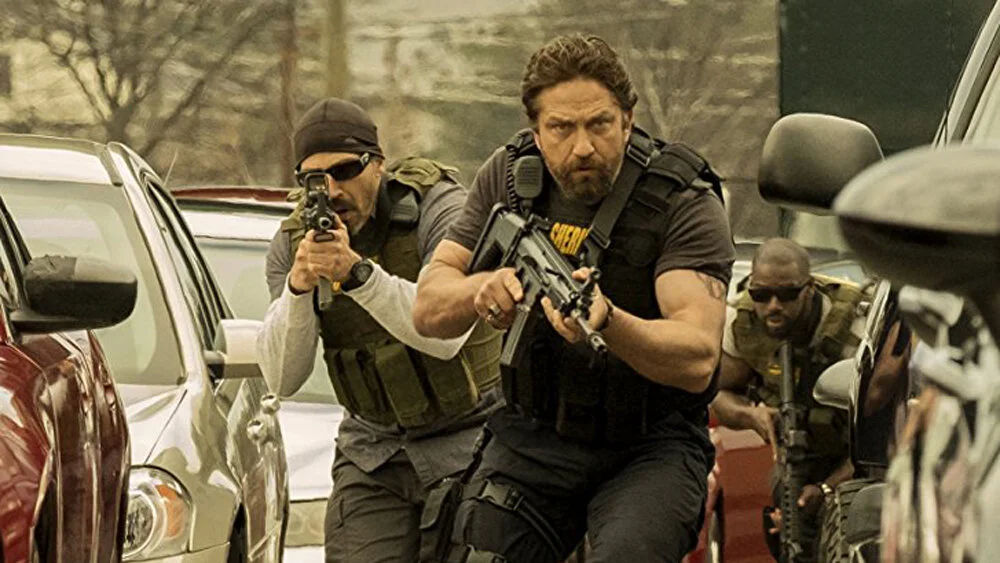
Big Nick O’Brien is sweaty, self-destructive, and morally bankrupt, and Butler plays him without a single concession to likability. He’s a cop whose marriage is falling apart, whose methods are barely legal, and whose obsession with catching Pablo Schreiber’s crew has curdled into something that looks a lot like addiction. The scene where he corners Schreiber’s crew and radiates barely contained menace through sheer intimidation is Butler at his most against-type: physical presence used not to project heroism but to project threat. The film found its real audience on streaming, where viewers kept coming back specifically to watch Big Nick chew through scenes in what plays like a grittier, sweatier cousin to Heat. It’s the best version of Butler as an antihero the mid-budget action space has produced.
5. Greenland (2020)
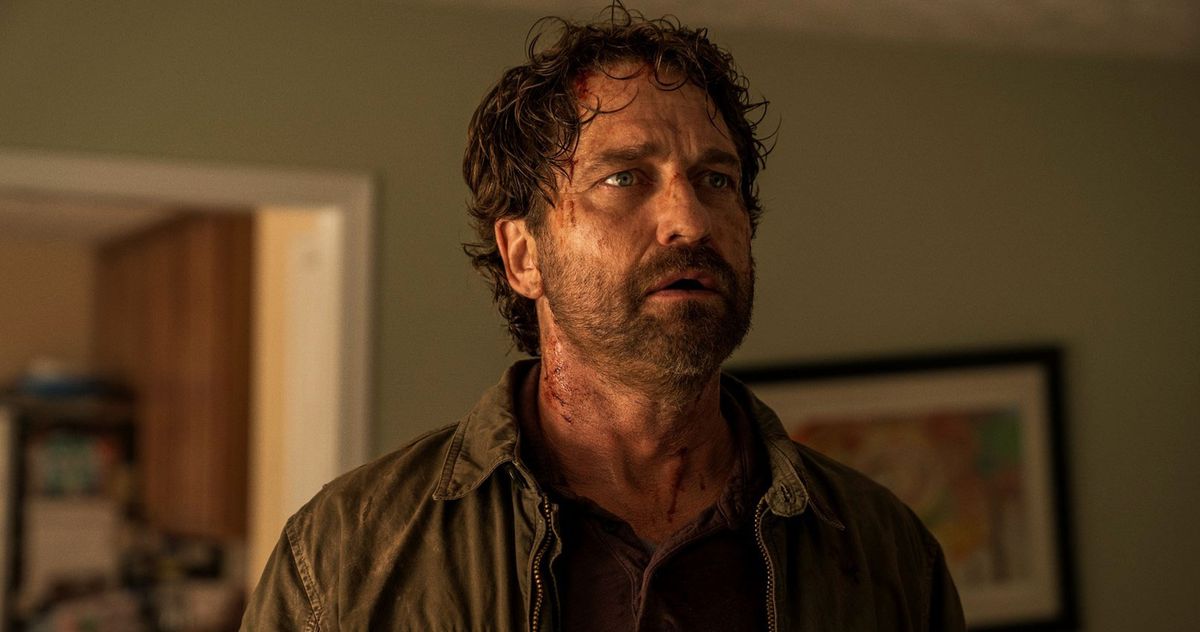
John Garrity is a disaster movie protagonist who comes pre-damaged: his marriage to Allison (Morena Baccarin) is already fracturing when a comet begins ending civilization, and Butler plays that domestic fracture with a specificity that most survival films don’t bother with. The film puts John in positions where protecting his diabetic son means making choices that are hard to watch without flinching, and Butler doesn’t let him off the hook for any of them. He sells the guilt as clearly as he sells the spectacle. Streaming audiences turned it into a genuine word-of-mouth hit, and it’s the disaster film that finally gave him a character worth rooting for beyond his physical presence.
4. Law Abiding Citizen (2009)
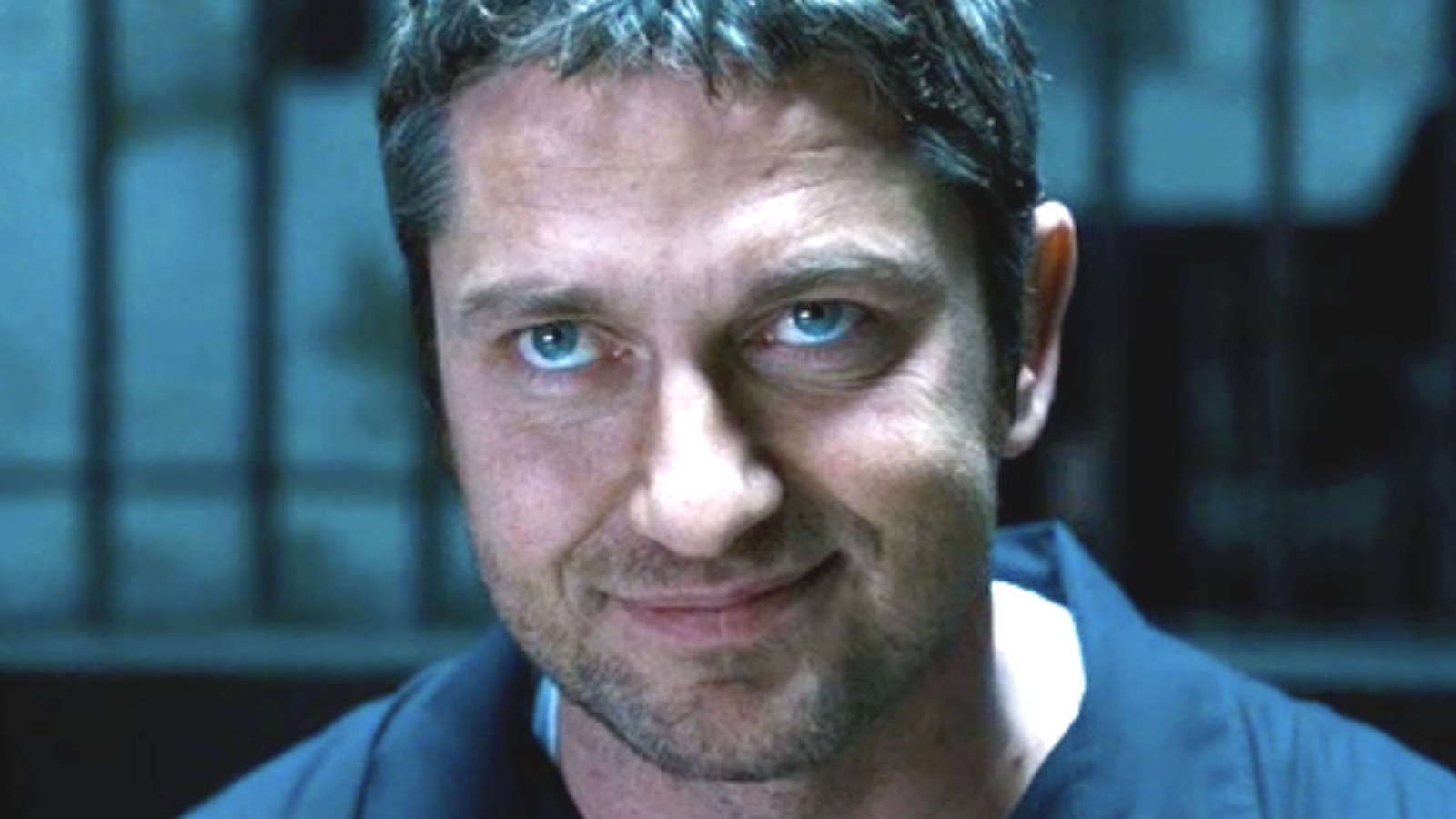
Clyde Shelton is a grieving father, a chess player, and an engineer, and Butler plays all three simultaneously in a performance that keeps you slightly off-balance for the entire film. The early courtroom scene, where Clyde listens to the plea deal that lets his family’s killer walk with minimal time, is a powerful, largely non-verbal moment. Butler holds the shot with a stillness that tells you exactly what’s coming without telegraphing how. From a jail cell, Shelton then proceeds to dismantle an entire city’s legal establishment, and the film works because Butler makes the cold, methodical rage completely watchable even when the plot goes to wild places. It earned $127 million worldwide and became a cable TV staple, which is exactly the kind of audience loyalty a performance like this earns over time.
3. The Phantom of the Opera (2004)
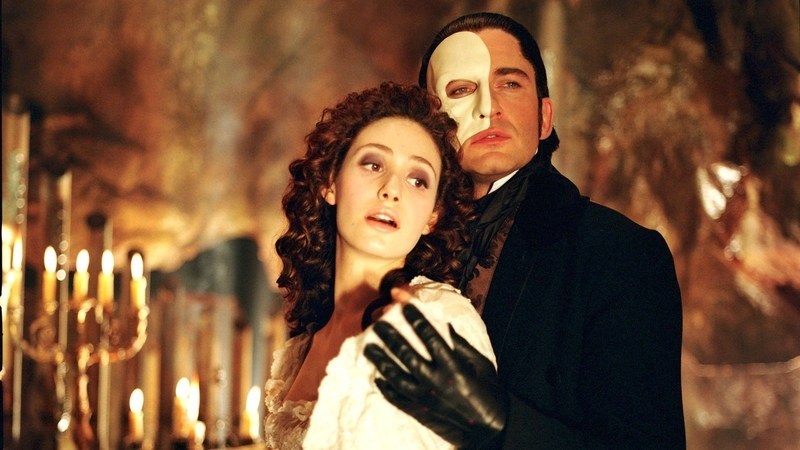
Nobody expected Butler to actually sing the role, and the fact that he did, with a raw, emotionally desperate intensity rather than polished stage technique, remains the most surprising creative choice of his career. His Phantom is less a tragic romantic than a man whose obsession has curdled into something possessive and frightening, with real menace running beneath the surface. That edge comes through most clearly in “The Music of the Night,” where his rougher vocal quality gives the seduction an unsettling rather than theatrical quality. Critics were divided, but fans found his interpretation more viscerally compelling than the polished stage versions they’d grown up with. It’s the entry that most clearly reveals the theatrical instincts underneath the action star, and it still commands a passionate audience two decades later.
2. The Fallen Franchise (2013–2019)
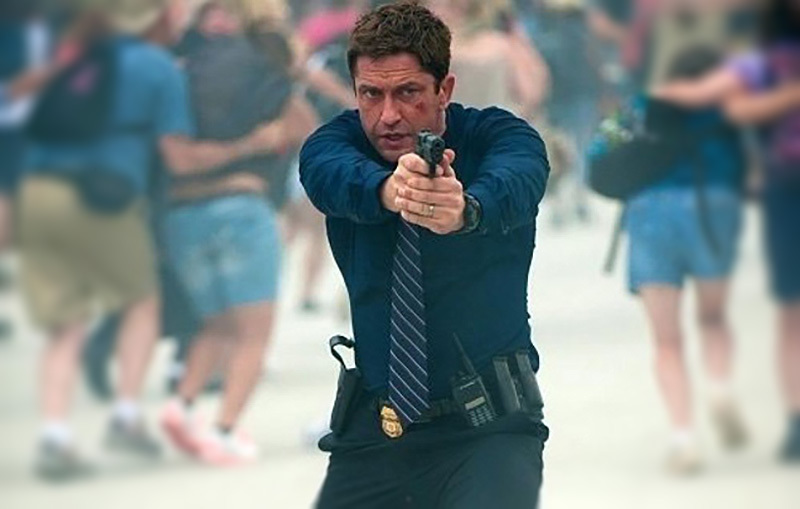
Mike Banning is a commercially durable creation for Butler, and Olympus Has Fallen is where he built the character from scratch: a Secret Service agent haunted by his failure to save the First Lady, now trapped inside a besieged White House with nothing but his training and his willingness to do whatever it takes. The hallway fight sequences are brutal in a way that feels personal rather than choreographed. Banning takes damage, keeps moving, and wins ugly. By Angel Has Fallen, Butler quietly layers in physical exhaustion and self-doubt that weren’t there in the first film, making Banning feel like a guy actually aging inside the job. He built something Stallone and Willis would recognize: a character audiences trust enough to show up for, film after film, just to see what happens next.
1. 300 (2006)
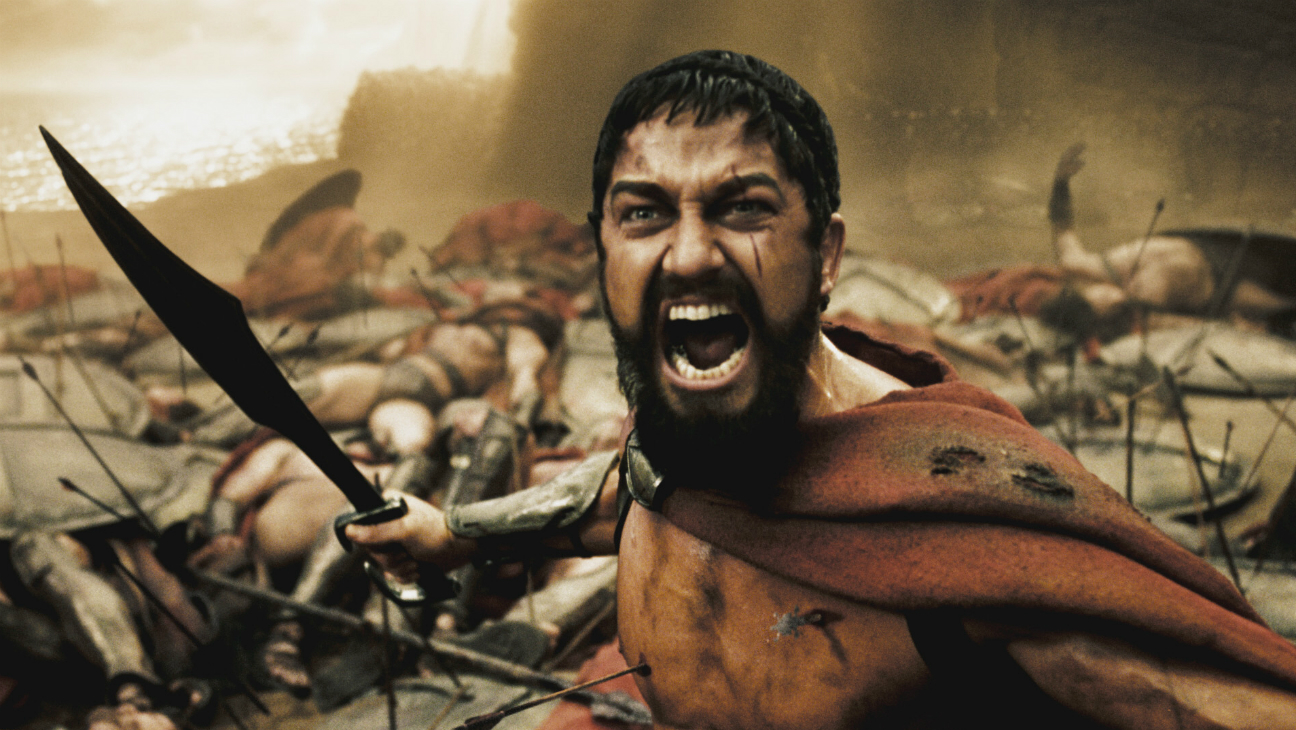
King Leonidas is the role that everything else in Butler’s career orbits around. From the moment he kicks the Persian messenger into the well, roaring with a physical conviction that turns the stylized slow-motion into something resembling documentary footage, he commands the screen with an authority the film’s entire visual language is built to amplify. Every gym motivation video, every Halloween costume, every “THIS IS SPARTA” meme echoing through internet culture for nearly two decades traces back to the specific way Butler inhabited that character: chest out, voice from somewhere primal, leading 300 men into a battle everyone knows they won’t survive. What gets lost in the cultural shorthand is the genuine emotion he brings to Leonidas as husband and king. His scenes with Gorgo (Lena Headey) carry a tenderness that grounds the sacrifice as tragedy rather than spectacle. Snyder’s visual style made the film iconic, but Butler made Leonidas human.
Gerard Butler has never chased prestige, and his filmography is more interesting for it. He’s built a career on physical commitment, genuine charisma, and a willingness to play characters who are sometimes wrong, sometimes ridiculous, and occasionally both at once. What holds it together is that he always seems to be having a real go at it. Even in films that didn’t work, you can see him trying to make something land. That’s rarer than it sounds.

Written by Miranda Davies
Film & TV Enthusiast
Hi, my name is Miranda Davies, and I’ve loved film and television all of my life. Some of my earliest memories involve me and family or friends catching the latest movies, or reclining on the couch to catch some awesome television, and I want to share that passion with fellow fans like you! The best way to celebrate film and television is to chat about it with people as equally passionate as you, so this website will be dedicated to being a hub for those that want to chat about their obsessions in a safe and welcoming environment that is fun to visit!
More about the author