
Top 15 Bruce Willis Movies, Ranked
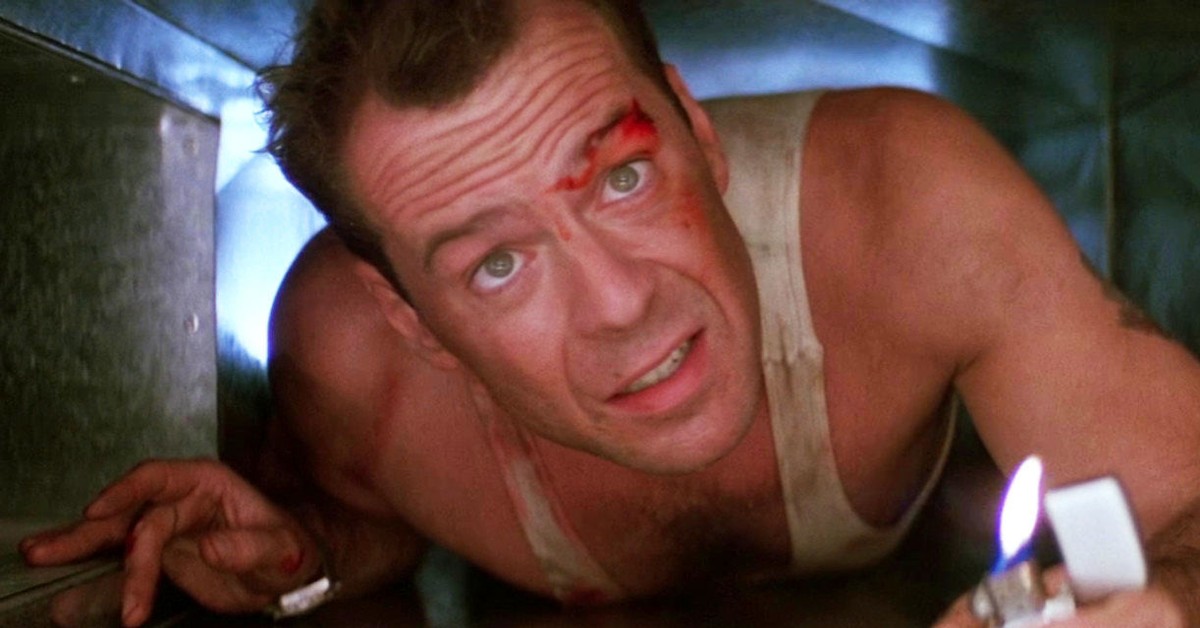
“Yippee-ki-yay.” Two words. That’s all it took for Bruce Willis to plant a flag in pop culture that nobody has been able to pull out since 1988. But Willis has always been more than John McClane, and at TV Hulk, we built this list around the performances themselves: the moments where he made you forget you were watching a movie star, the roles where something real and unexpected came through the screen. There’s a particular quality he brings to his best work — a stillness behind the eyes, a way of delivering a line quietly that somehow hits harder than a shout ever could. From twitchy sci-fi desperation to slumped-shoulder superhero sadness to perfectly deadpan comedy, this ranking follows the performances that stayed with us long after the credits rolled, the ones that remind you just how much range was always sitting underneath that smirk.
15. Lucky Number Slevin (2006)
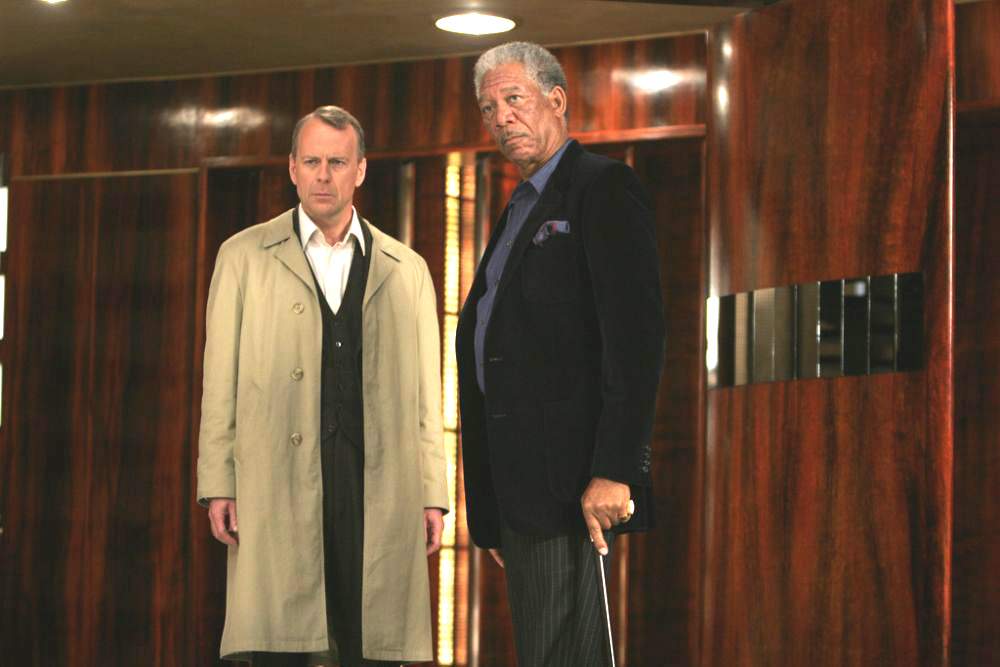
Mr. Goodkat barely raises his voice in this entire film, and that’s exactly the point. Willis plays the enigmatic assassin with a stillness that borders on eerie, delivering every line like a man who has already calculated all the outcomes and found them boring. There’s a scene early on where Goodkat explains the “Kansas City Shuffle” to a mark, and Willis delivers it with such unhurried, almost paternal calm that you can’t look away. Paul McGuigan’s twisty neo-noir puzzle box has built a devoted cult following over the years, and a lot of that loyalty traces back to this performance. Goodkat is the iciest, most controlled Willis has ever been on screen, and it works precisely because he never tips his hand.
14. The Whole Nine Yards (2000)
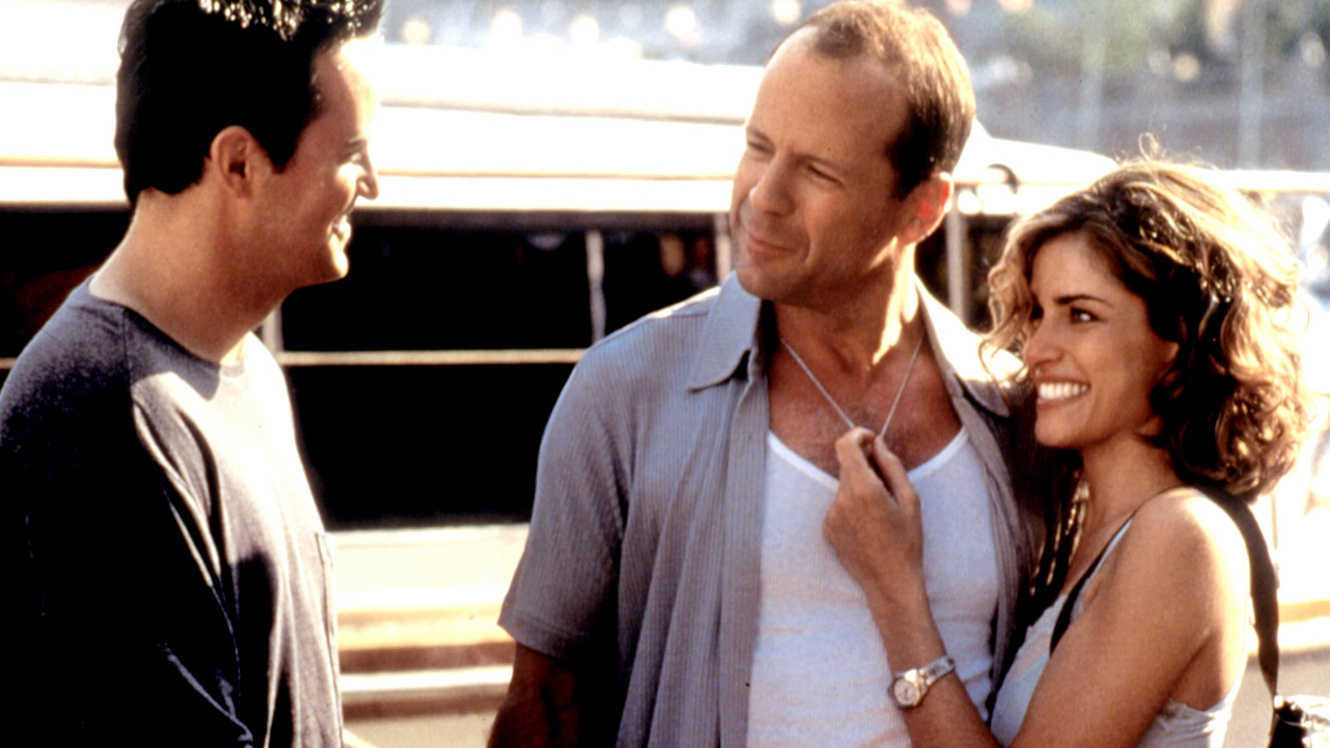
Jimmy “The Tulip” Tudeski is funny because he’s so completely at ease with things that should be terrifying. Willis plays this charming, methodical hitman-next-door with an effortless cool that makes every scene crackle, especially opposite Matthew Perry’s perpetually panicked dentist. The best moments come from the contrast: Jimmy calmly making breakfast while discussing murder logistics, or flashing a warm smile that somehow makes him more unsettling rather than less. It’s a comedic register Willis doesn’t get enough credit for — the kind of relaxed, dangerous charisma that can’t really be faked. The film pulled in a surprise $106 million at the box office, and audiences clearly responded to the chemistry Willis and Perry built together.
13. Red (2010)

Frank Moses is a retired CIA operative who has spent years calling a customer service rep just to have someone to talk to, and Willis sells that loneliness in the opening scenes before the whole thing explodes into action-comedy mayhem. He leans into the self-aware charm of the role without winking too hard at the audience, and his easy chemistry with Morgan Freeman, Helen Mirren, and John Malkovich gives the film a loose, genuinely fun energy. The moment Frank steps out of a spinning car and calmly adjusts his jacket while bullets fly is peak Willis cool. It holds up as a late-career highlight that reminded audiences how effortlessly watchable he could be.
12. Armageddon (1998)
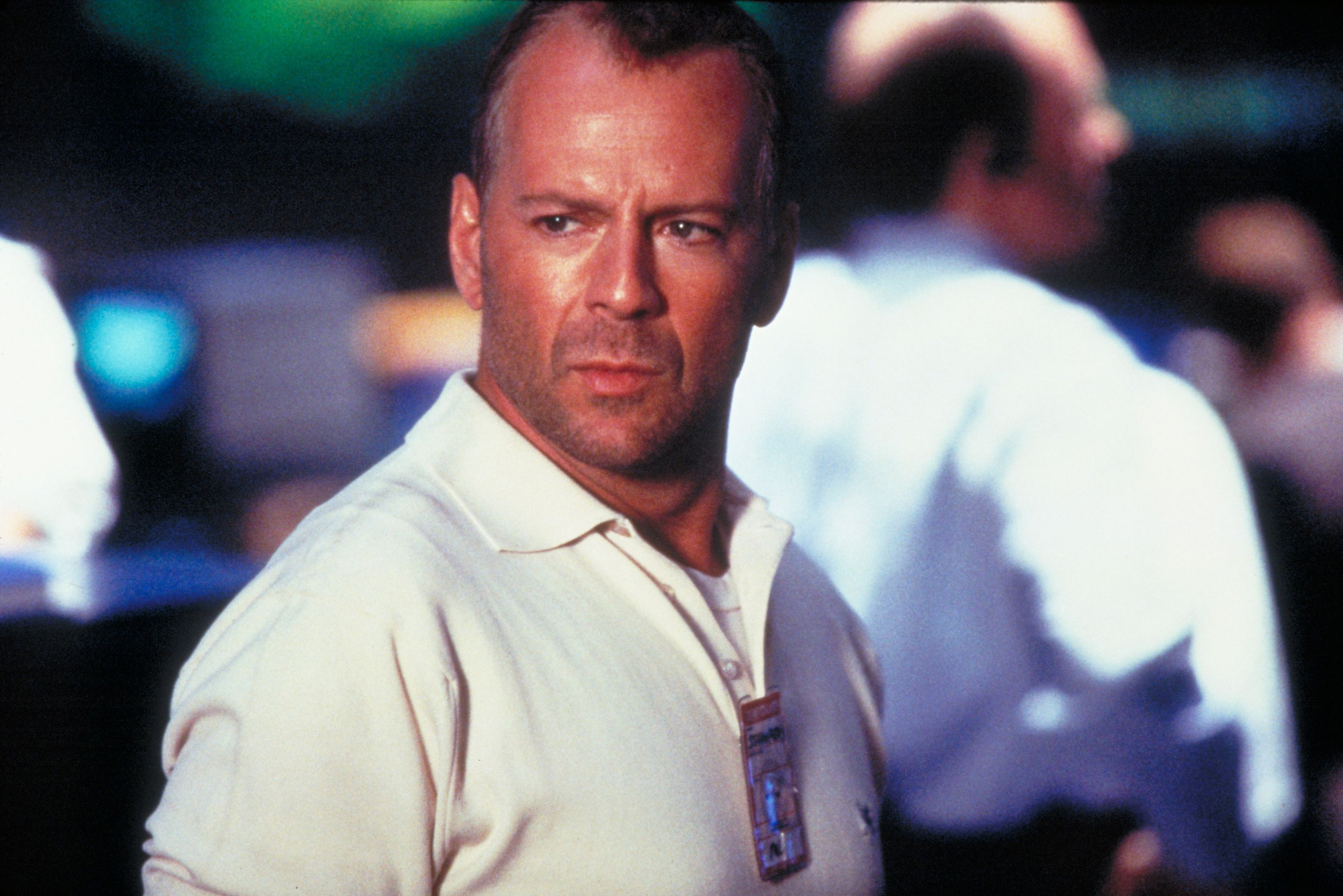
Say what you will about Michael Bay’s approach to subtlety, but Willis’s final goodbye as Harry Stamper hits harder than it has any right to. When Harry sends A.J. back up the elevator and stays behind to detonate the bomb himself, the quiet devastation on Willis’s face cuts right through all the bombast surrounding it. His tearful video call to Liv Tyler’s Grace is the emotional center of a film that otherwise runs entirely on adrenaline, and it works because Willis plays it with complete sincerity, no irony, no winking. That farewell scene is woven into the pop culture memory of an entire generation, and it’s not hard to see why it still lands the way it does.
11. Death Becomes Her (1992)
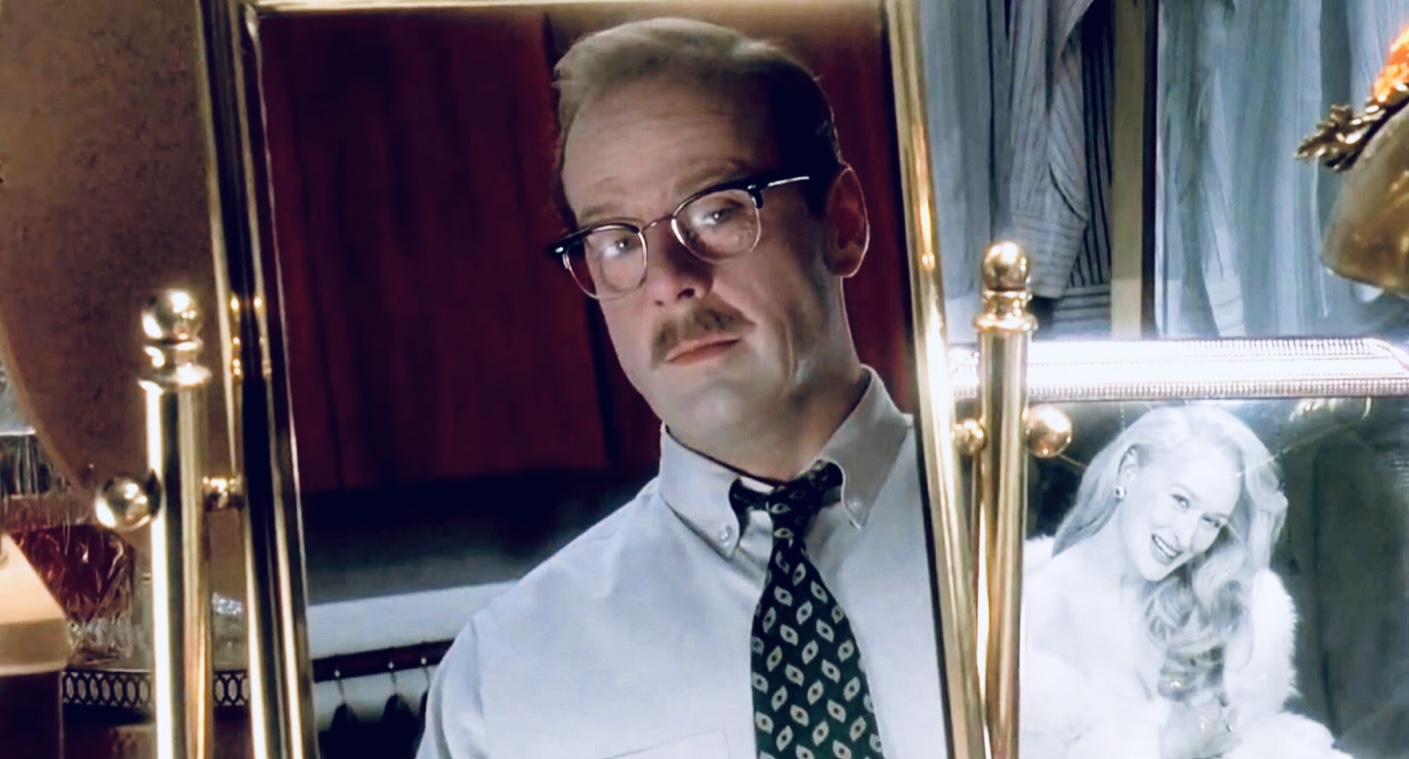
Dr. Ernest Menville is a man who has been completely destroyed by the women in his life, and Willis plays him as a perfectly calibrated comedic wreck. He’s the straight man in Robert Zemeckis’s darkly funny cult classic, and he nails it: there’s a scene where Ernest is literally plastering Goldie Hawn’s head back onto her body with a resigned, professional focus that is absolutely hilarious because Willis plays it completely straight. His physical comedy throughout the film is criminally underappreciated, especially given that he’s sharing the screen with Meryl Streep and Hawn at their most gloriously unhinged. Willis’s increasingly bewildered reactions to the immortal carnage around him are half the reason the film remains so rewatchable.
10. In Country (1989)
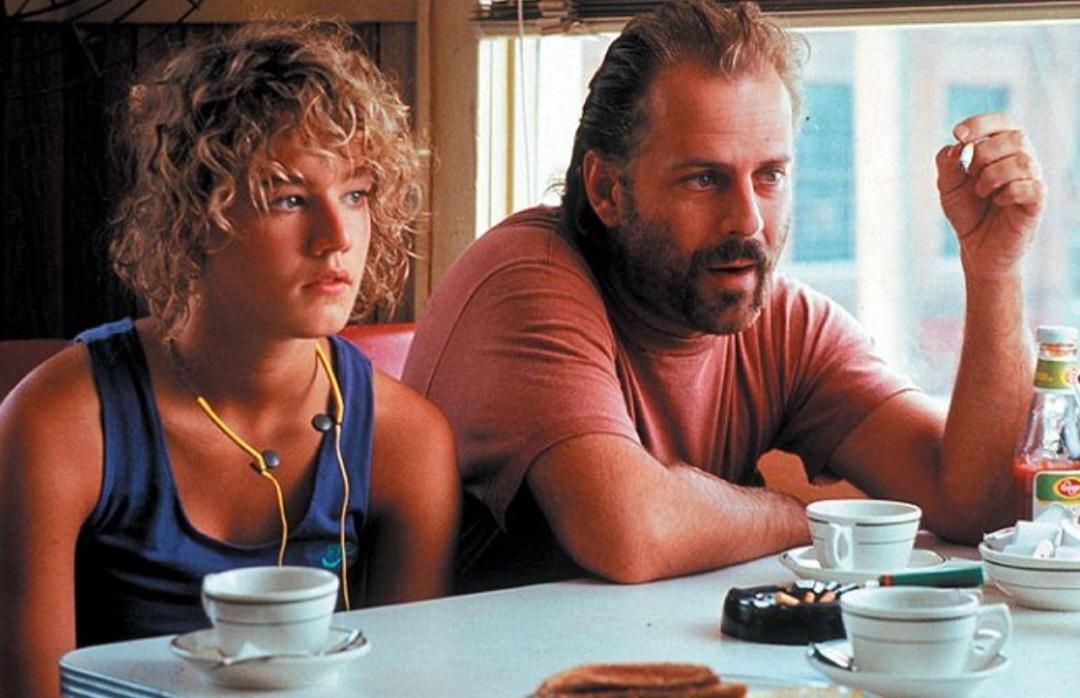
Coming right off the back of Die Hard’s massive success, Willis made a choice here that nobody saw coming. As Emmett Smith, a Vietnam veteran still quietly drowning in unprocessed trauma, he strips away every trace of action-hero swagger and replaces it with something heavy and still. There are moments where Willis holds the silence in a way that communicates years of grief without a single word of dialogue, leaning entirely on stillness and expression to carry the weight. The performance earned him a Golden Globe nomination and caught people off guard, people who had already written him off as a one-note action star. The silence he holds in those grief-heavy moments is the performance that proved he was always more than McClane.
9. Moonrise Kingdom (2012)
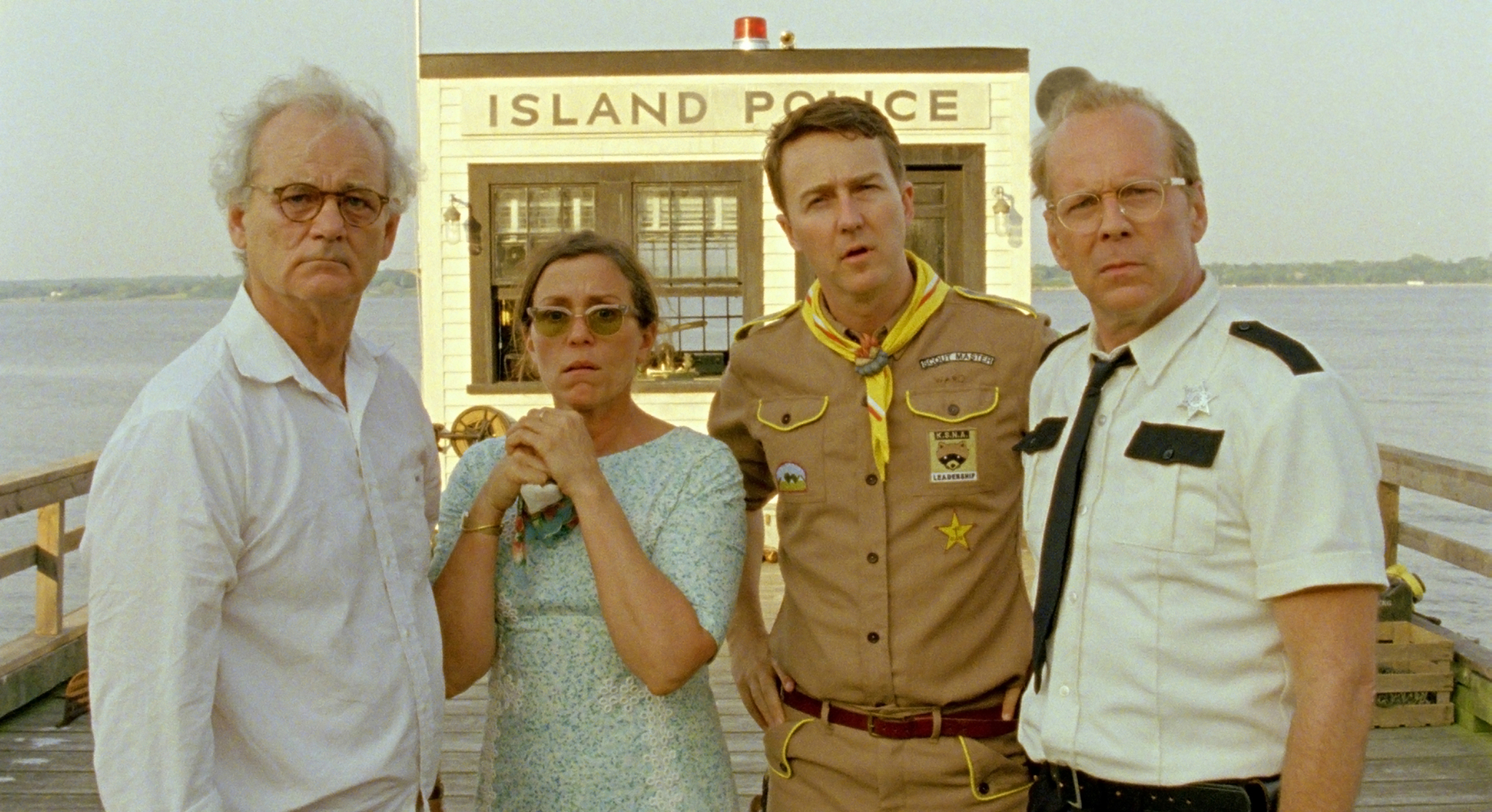
Captain Sharp is a small-town cop whose life has quietly fallen apart, and Willis plays him with a melancholy that fits Wes Anderson’s meticulous world without ever feeling like a costume. He doesn’t try to out-quirk the Anderson regulars around him; instead, he brings a grounded, real ache to a man who watches two kids chase something he never managed to hold onto himself. There’s a gentle scene between Sharp and Edward Norton’s Scout Master Ward where Willis communicates so much through a single tired look that it almost sneaks up on you emotionally. That restraint is what makes the performance one of the more unexpected pleasures of his later years.
8. Sin City (2005)
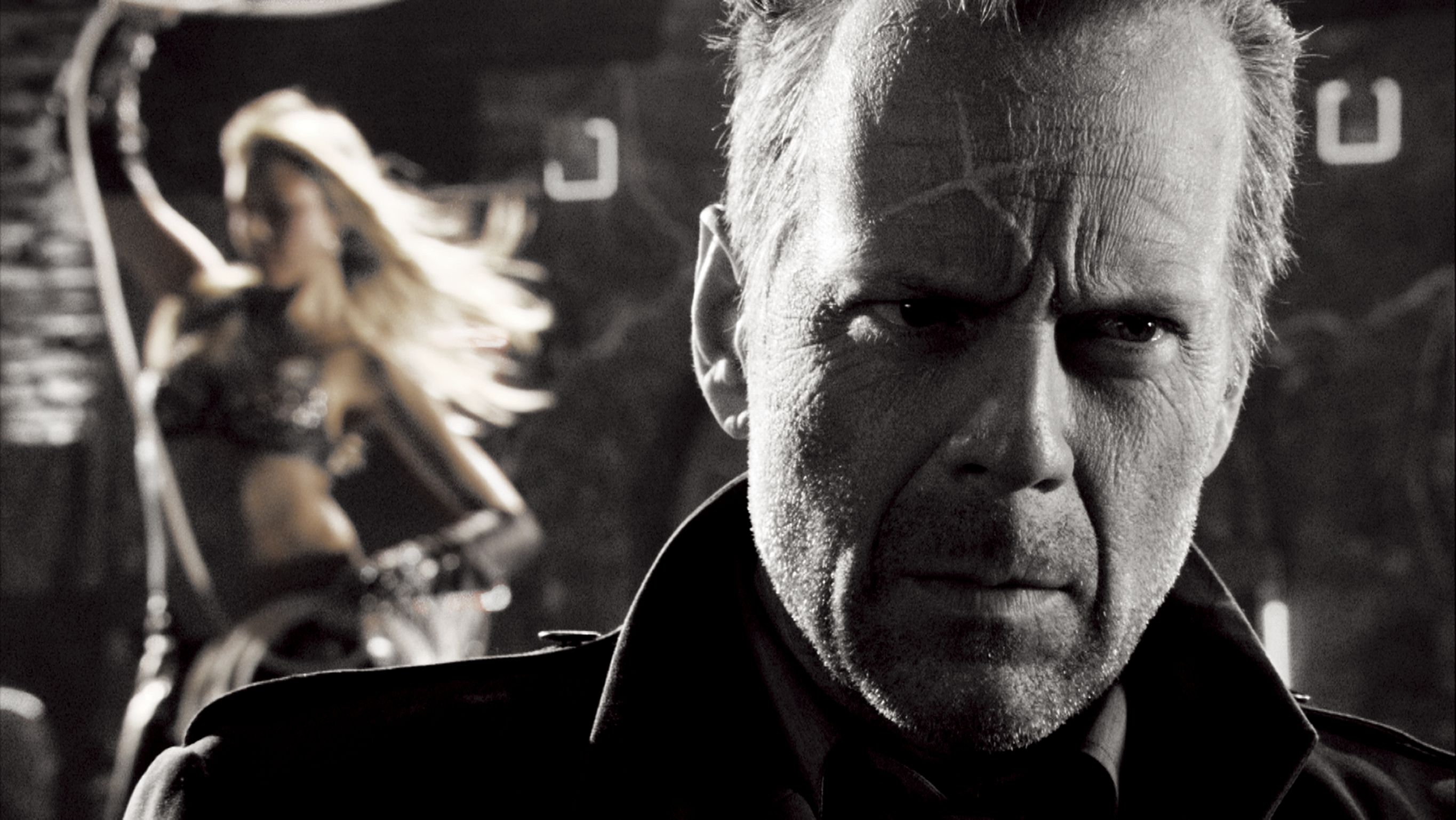
John Hartigan is the moral conscience of a film that doesn’t have much of one, and Willis carries that weight with a weary, unshakeable dignity. Robert Rodriguez and Frank Miller’s hyper-stylized noir anthology is all high-contrast carnage and pulpy excess, but Hartigan’s storyline lands because Willis grounds it in something recognizably human. His voiceover narration sets the tone for the whole film: gravelly, resigned, the voice of a man who knows he’s already lost but keeps going anyway. The moment Hartigan takes multiple bullets to protect a little girl and refuses to go down is staged as pure noir myth, and Willis makes you believe every second of it. He gives the film its emotional spine.
7. Looper (2012)

Old Joe walks into a diner to meet his younger self, sits down across the table, and immediately makes it clear he has no interest in explaining himself. Willis plays this older, harder version of Joseph Gordon-Levitt’s character with a chilling moral certainty that makes him far more unsettling than a conventional villain. The scene where Old Joe describes what he’s willing to do to protect his future is deeply uncomfortable, because Willis plays it not as menace but as grief-fueled conviction. That’s what makes the performance work in Rian Johnson’s time-travel thriller: Old Joe believes he’s the hero of this story, and Willis never lets you fully dismiss that reading. It’s easy to see why the film is still held up as one of the sharpest sci-fi films of that decade.
6. The Fifth Element (1997)
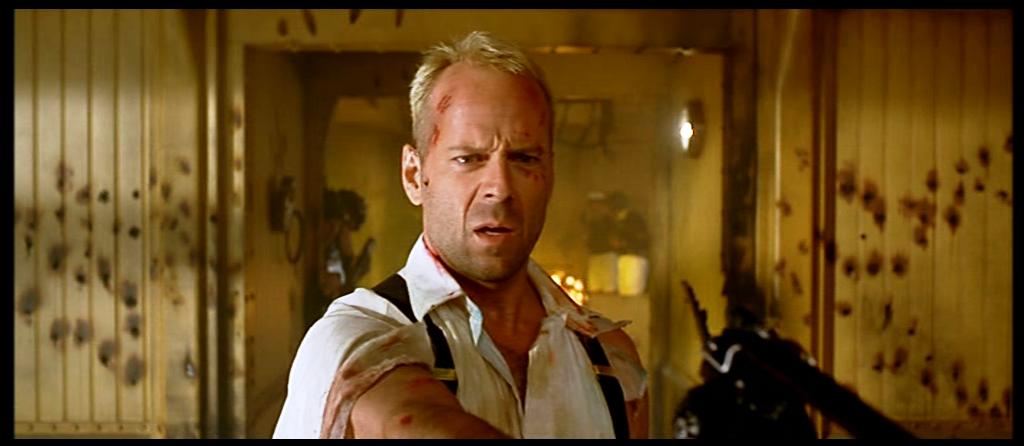
Korben Dallas is a burned-out future cab driver who gets the worst fare of his life, and Willis plays him as the calm eye of Luc Besson’s gloriously maximalist storm. Where everything around him is loud, colorful, and completely unhinged, Korben is dry, grounded, and just tired enough to be funny. The scene where he calls his mom while aliens are trying to kill him, keeping his voice perfectly level, is a small comedic gem. Willis serves as the human anchor that makes the film’s bonkers universe actually work, and his warmth opposite Milla Jovovich’s Leeloo gives the story its emotional through-line. With $263 million at the box office and a cult following that has only deepened over the decades, Korben Dallas ranks among his most beloved characters.
5. Unbreakable (2000)
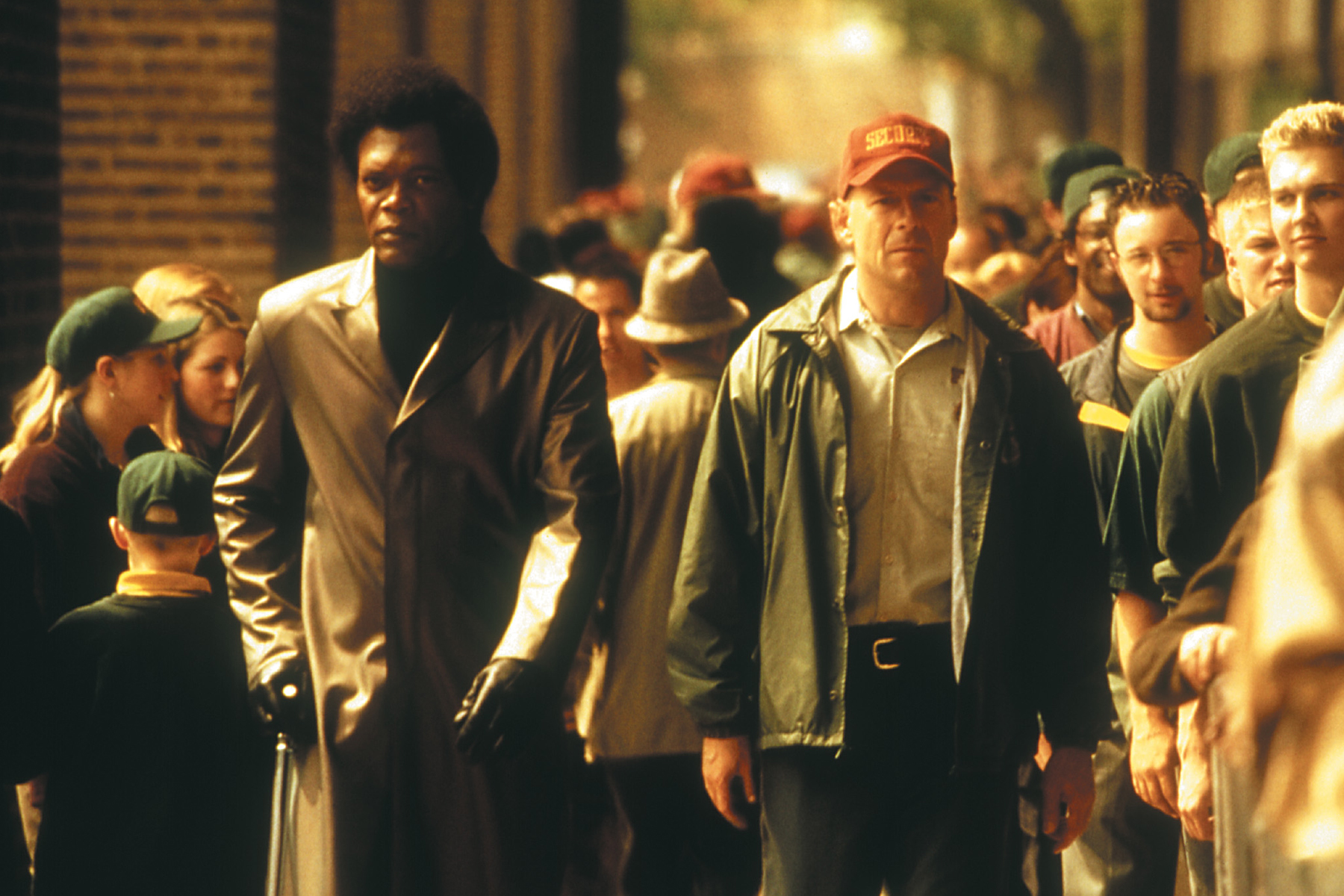
David Dunn might be the most physically understated superhero performance ever committed to film. Willis plays him with slumped shoulders and downcast eyes, a man so disconnected from his own life that discovering he’s indestructible barely registers as good news. The scene in the train station where David walks through a crowd and absorbs flashes of strangers’ crimes is haunting precisely because Willis plays it as exhaustion rather than revelation. M. Night Shyamalan’s deconstruction of superhero mythology works because Willis refuses to make Dunn heroic or charismatic; he makes him sad, and that sadness is the whole point. The film has only grown in reputation since its release, now widely considered among the best superhero films ever made, and Willis’s performance is the reason it holds up.
4. 12 Monkeys (1995)
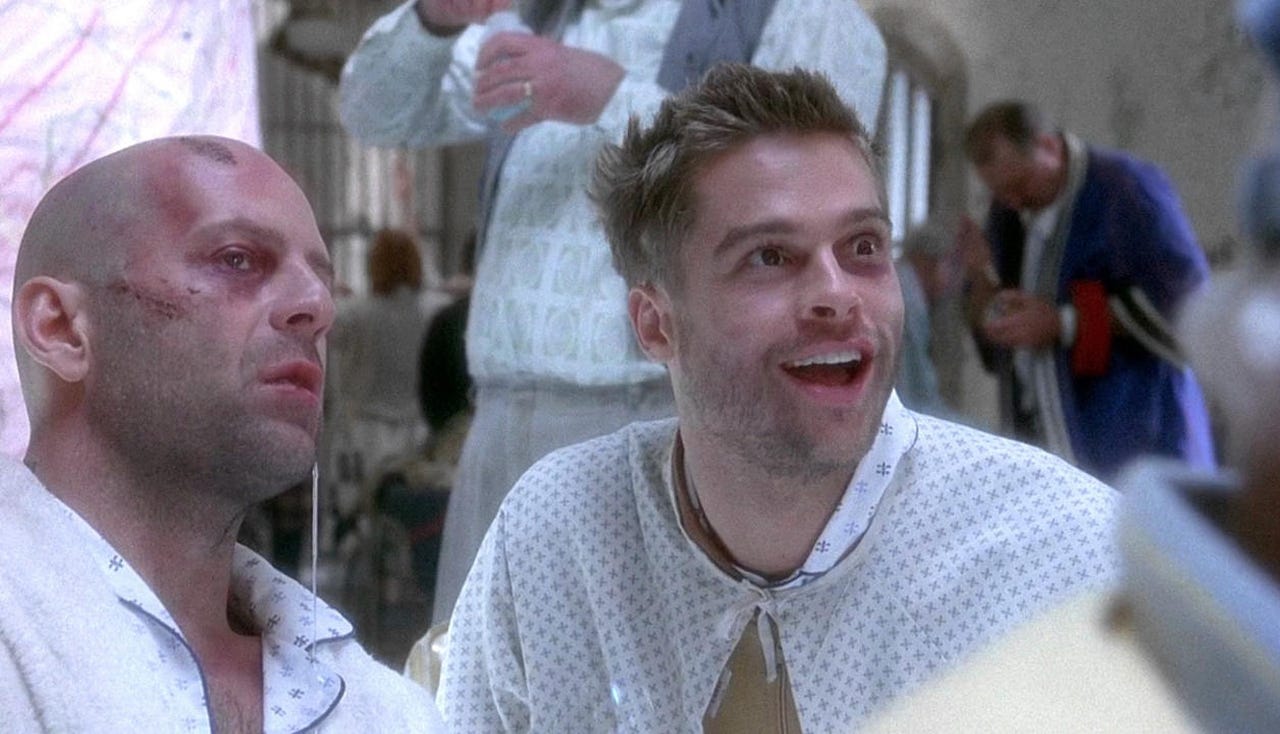
James Cole arrives from the future already broken, and Willis commits to that fracture completely. This is the most physically and emotionally raw he’s ever been on screen: twitchy, desperate, cycling between anguish and manic certainty as a man who can’t tell whether his memories are real or symptoms. The scene where Cole breaks down in a hotel room, overwhelmed by sensory overload from a world he barely recognizes, is affecting in a way that has nothing to do with action-hero instincts. Terry Gilliam’s time-bending nightmare demanded an actor willing to look truly unhinged, and Willis went there without a safety net. It remains his most purely committed dramatic performance, and it holds up as one of the defining sci-fi films of the 1990s.
3. The Sixth Sense (1999)
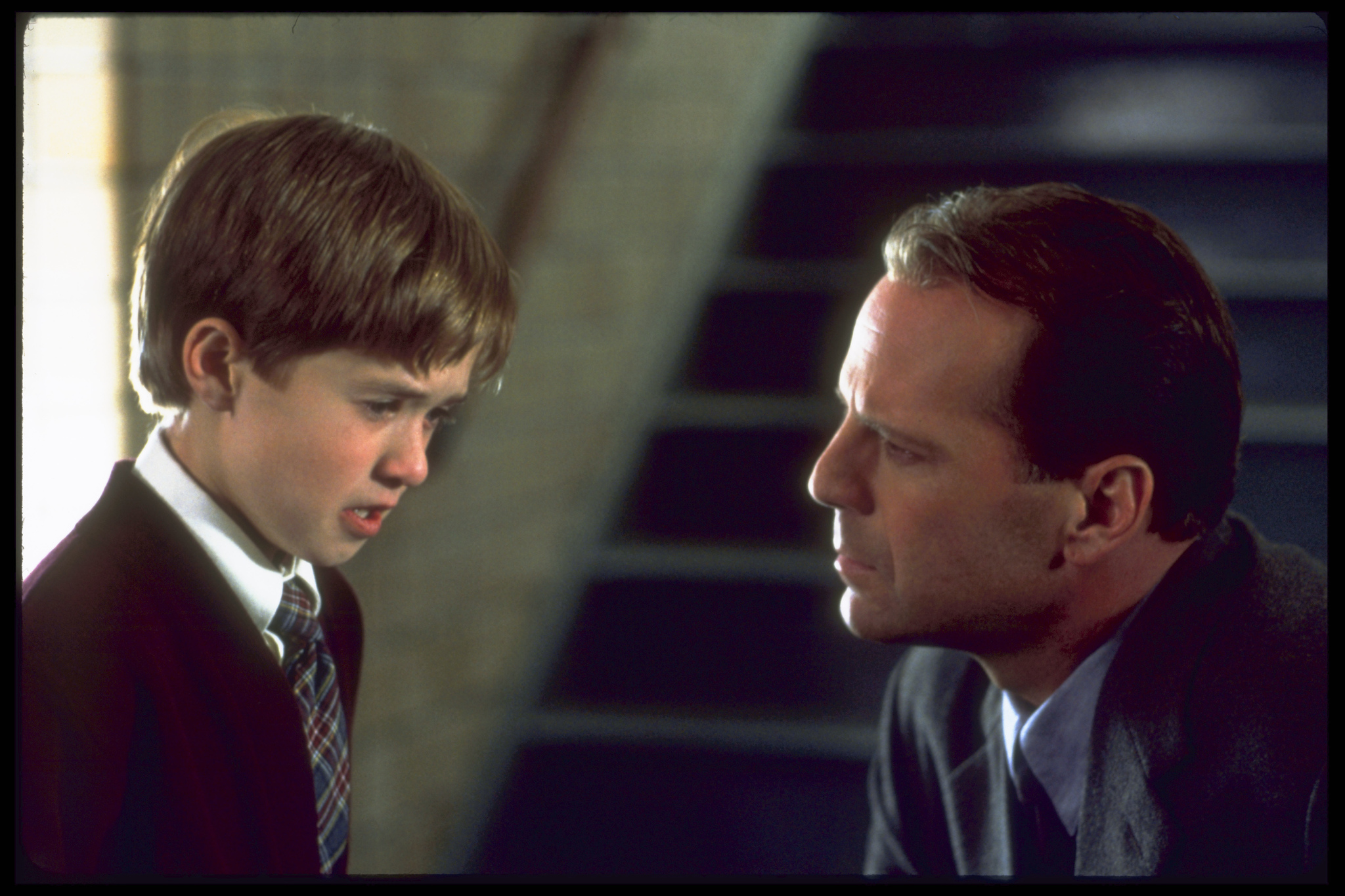
Dr. Malcolm Crowe is a man carrying a failure he can’t let go of, and Willis builds the entire performance on that quiet, persistent guilt. He plays Malcolm with a restrained vulnerability that’s easy to underestimate on first viewing, which is precisely why the film’s ending hits so hard. Every small choice Willis makes throughout, the way Malcolm listens to Cole, the careful distance he keeps from his wife, the slight confusion that flickers across his face in certain scenes, lands differently once you know the truth. M. Night Shyamalan’s thriller grossed $672 million worldwide and received several Academy Award nominations, including Best Picture. The twist only works because Willis spent the entire film making you believe in a man who doesn’t know what we eventually understand about him.
2. Pulp Fiction (1994)
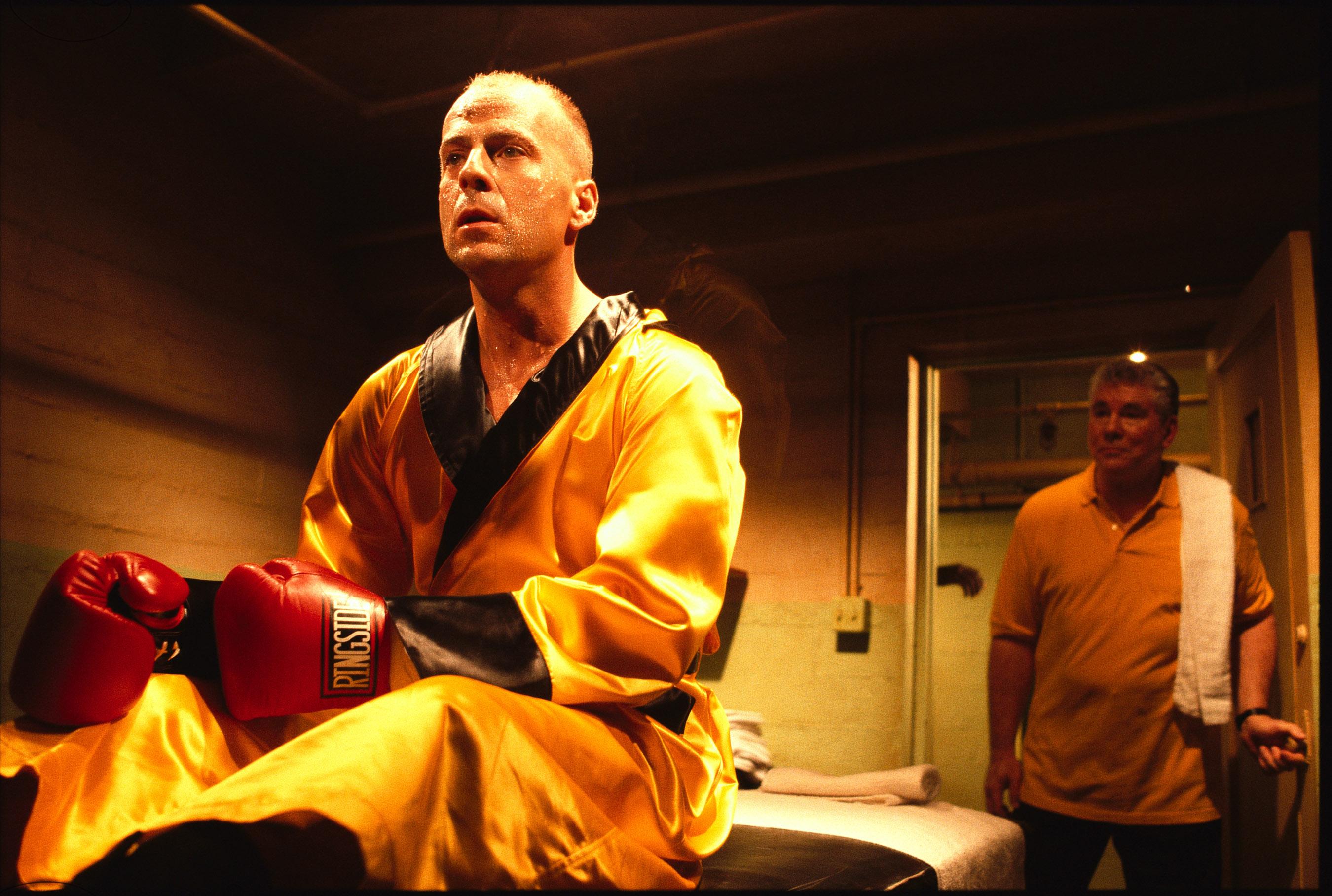
Butch Coolidge is not the flashiest character in Pulp Fiction, and that’s entirely the point. Willis plays him as a man of few words and deep stubbornness, a boxer who takes a dive and then doesn’t, setting off a chain of consequences he navigates with quiet determination. The scene where Butch goes back into that pawnshop basement to rescue the man trying to have him killed is the film’s moral hinge, and Willis plays the decision with almost no dialogue, just a slow turn and a choice. It’s a performance that could easily get lost between Samuel L. Jackson’s monologues and John Travolta’s comeback, but it doesn’t, because Willis holds the center with total conviction. He proved here that he could do a lot more than blow things up.
1. Die Hard Franchise (1988–2013)
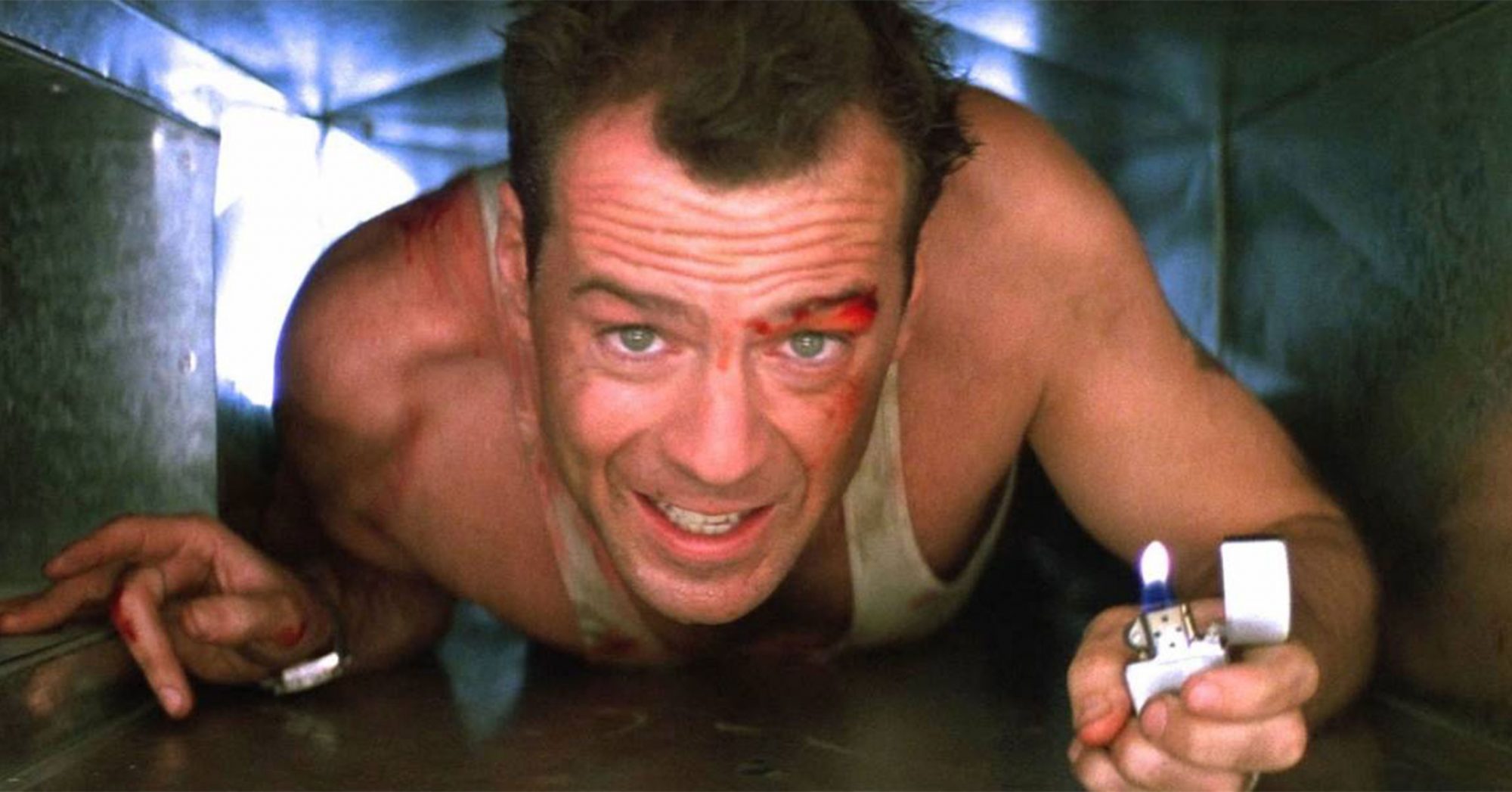
John McClane is Bruce Willis, and Bruce Willis is John McClane. That’s not a reduction; it’s the highest compliment you can pay a performance. What the original 1988 film gave audiences was something fresh: an action hero who bled, complained, cracked jokes out of terror rather than confidence, and spent most of the movie wondering how he got into this mess. Willis found the perfect frequency for McClane, a guy absolutely not built for this who refuses to stop anyway, and the moment he pulls glass from his bare feet while talking himself through a panic attack captures everything that made the character so immediately beloved. Die Hard with a Vengeance pushed McClane into a grittier New York playground, while Live Free or Die Hard brought him into the digital age. Across five films, Willis kept finding new angles on a character who could have easily calcified into self-parody, and the franchise’s enduring hold on audiences comes directly from the warmth and weariness he brought to every entry.
Willis built his career on the tension between movie star magnetism and genuine dramatic instincts, and the best entries here show both sides working at full strength. Five seasons as the fast-talking David Addison Jr. on Moonlighting gave him comedic timing and easy charm that never really left him, even when the roles got darker. That foundation is what made John McClane feel like a real person instead of just an action figure.

Written by Miranda Davies
Film & TV Enthusiast
Hi, my name is Miranda Davies, and I’ve loved film and television all of my life. Some of my earliest memories involve me and family or friends catching the latest movies, or reclining on the couch to catch some awesome television, and I want to share that passion with fellow fans like you! The best way to celebrate film and television is to chat about it with people as equally passionate as you, so this website will be dedicated to being a hub for those that want to chat about their obsessions in a safe and welcoming environment that is fun to visit!
More about the author