
Top 15 Emma Thompson Movies, Ranked
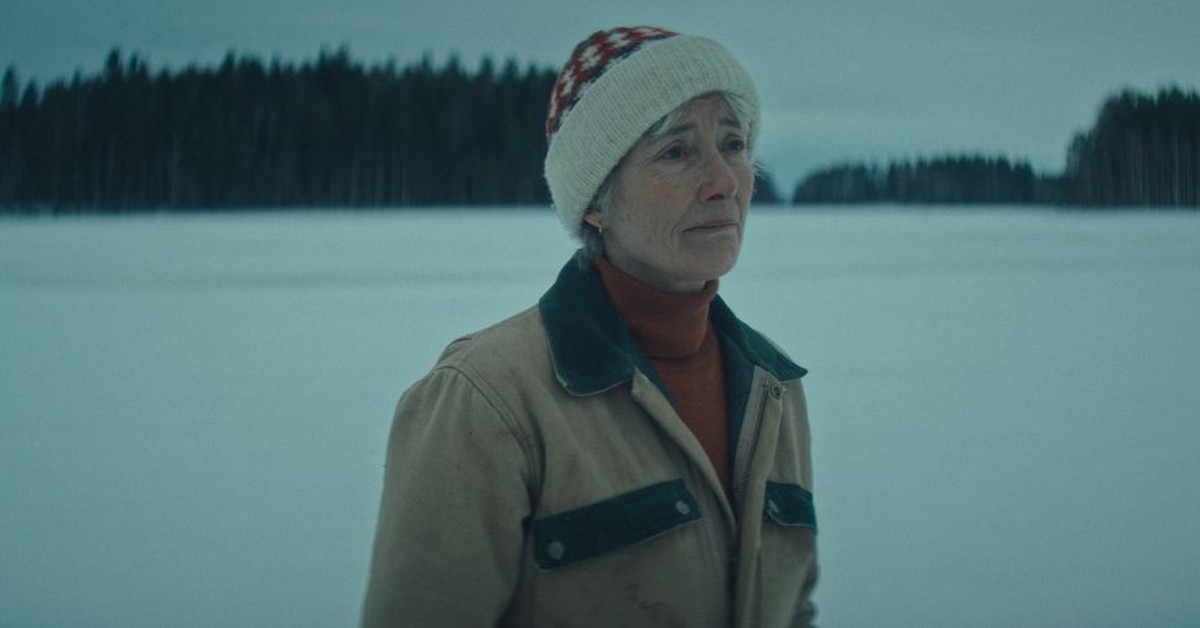
There’s a moment in Sense and Sensibility where Elinor Dashwood finally lets herself cry, and it hits you so hard you forget you’re watching a period drama. That’s Emma Thompson in a nutshell: she catches you off guard with emotions you weren’t braced for. The TV Hulk team ranked these performances based on how completely she disappears into each role and how long those characters stay with you after the credits roll. From Edwardian drawing rooms to Hogwarts classrooms to late-night talk show sets, Thompson brings a specificity to every character that makes even a supporting turn feel essential. Here are her 15 best.
15. Dead Again (1991)
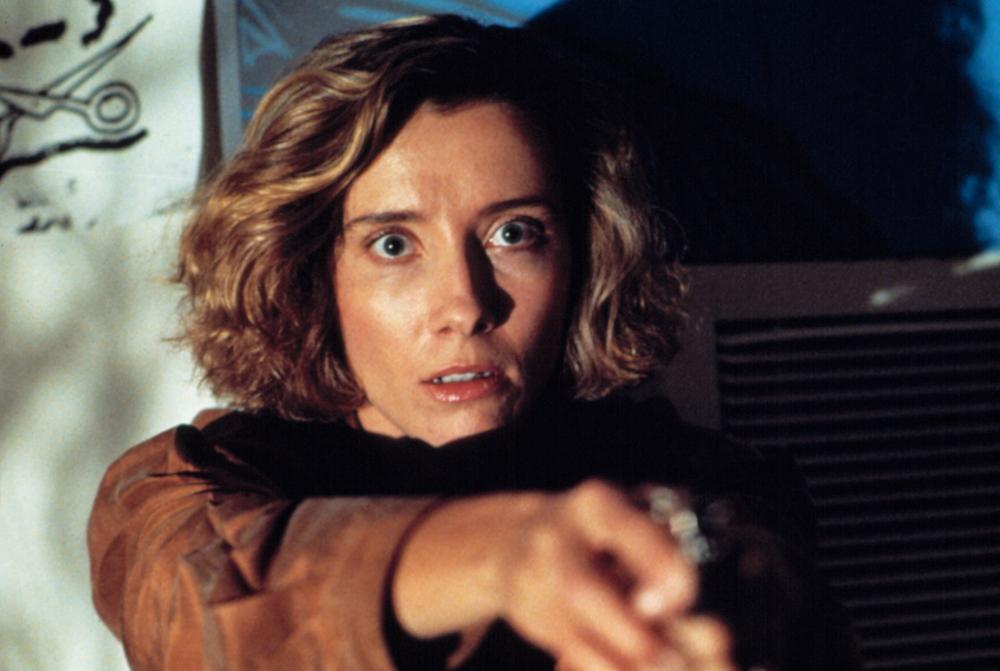
Grace is mute for much of Dead Again, and Thompson uses that silence brilliantly, communicating fear, confusion, and buried memory through nothing but her eyes and the way she holds her body. Then the film pivots and asks her to play Margaret, a glamorous 1940s murder suspect, and she creates an entirely different woman: sharp-tongued, magnetic, and tragic. Kenneth Branagh’s neo-noir thriller is a stylish, underrated puzzle, and the dual role is what gives it so much of its power. Selling a reincarnation conceit requires the audience to believe both women are real, and Thompson earns that belief through sheer physical and emotional contrast between the two.
14. Late Night (2019)
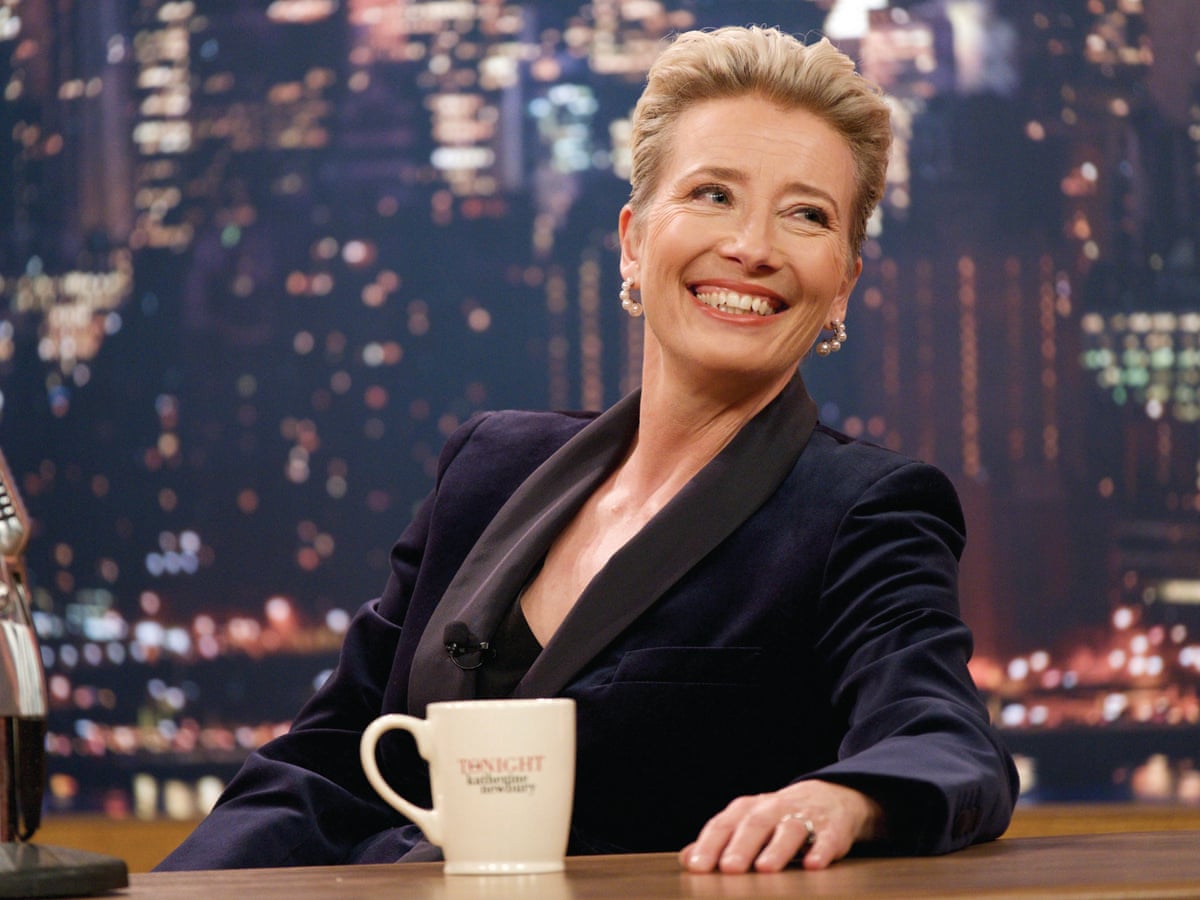
Katherine Newbury has been the most powerful woman in late-night television for so long that she’s stopped noticing the room, or the people in it. Thompson plays her with a brittle, imperious wit that makes Katherine genuinely difficult to like, which is exactly the point. She delivers cutting one-liners with the precision of someone who has weaponized intelligence for decades, and the small moments where that tough exterior falters land with real emotional weight. Mindy Kaling’s script, which she also stars in as the eager outsider hired to diversify Katherine’s all-male writing staff, gives Thompson rich material to work with, and their unlikely dynamic gives the film a genuine spark. The movie earned strong word-of-mouth after its Sundance premiere for being smarter and warmer than its premise suggested. Katherine is a sharp, funny, and ultimately moving portrait of a woman who mistakes control for competence.
13. Cruella (2021)
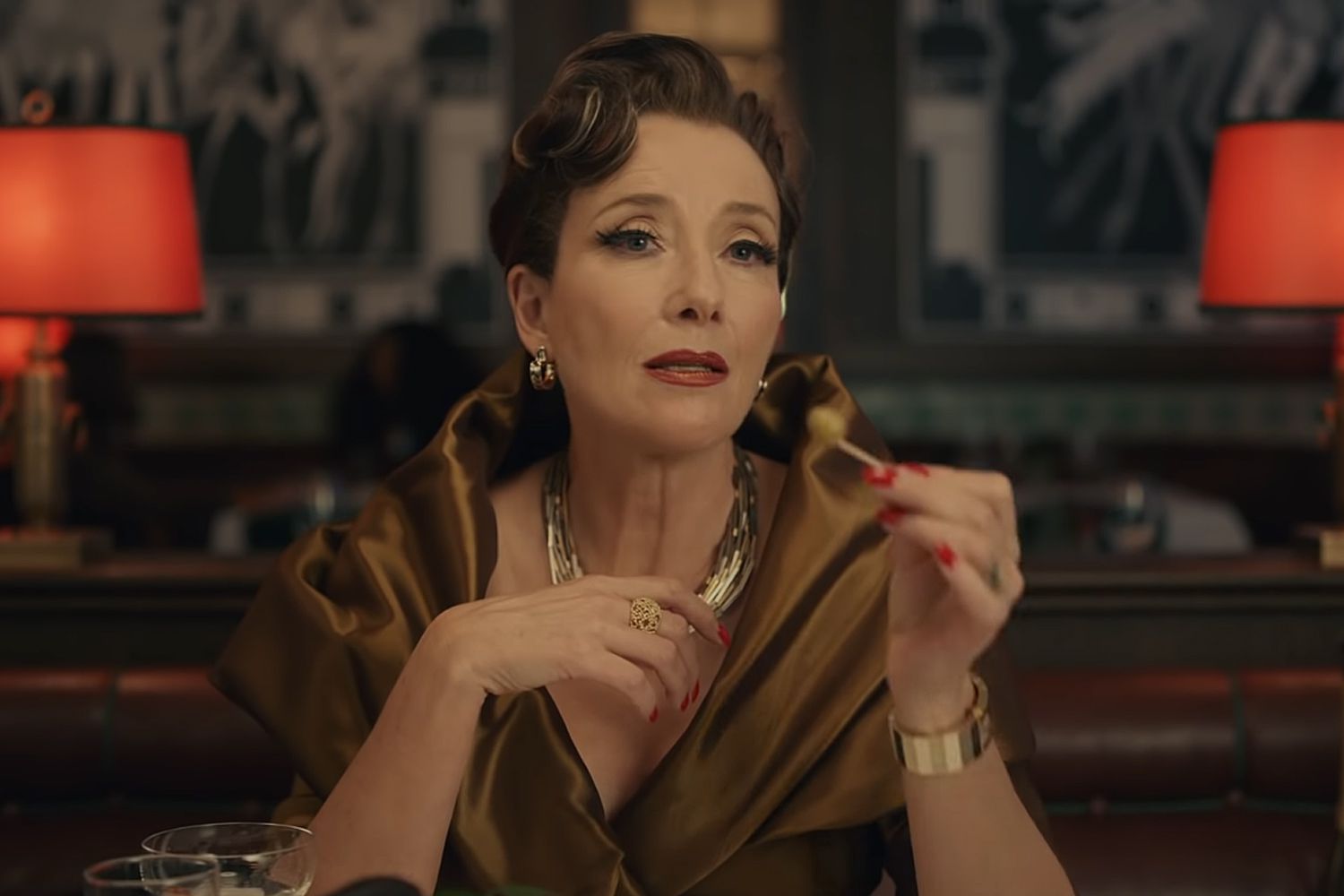
The Baroness doesn’t enter a room so much as she occupies it. Thompson plays this glacial fashion tyrant as someone who has never once questioned whether her cruelty is justified, and that absolute self-certainty is what makes her so watchable. Her best moments come in the sparring scenes with Emma Stone, where the two women size each other up with the mutual recognition of kindred spirits who would happily destroy each other. Thompson goes full grande dame villain here: imperious, witty, and menacing in a way that cuts deep and gives the film its sharpest edges. She’s having tremendous fun, and it shows in every withering look she delivers.
12. Much Ado About Nothing (1993)
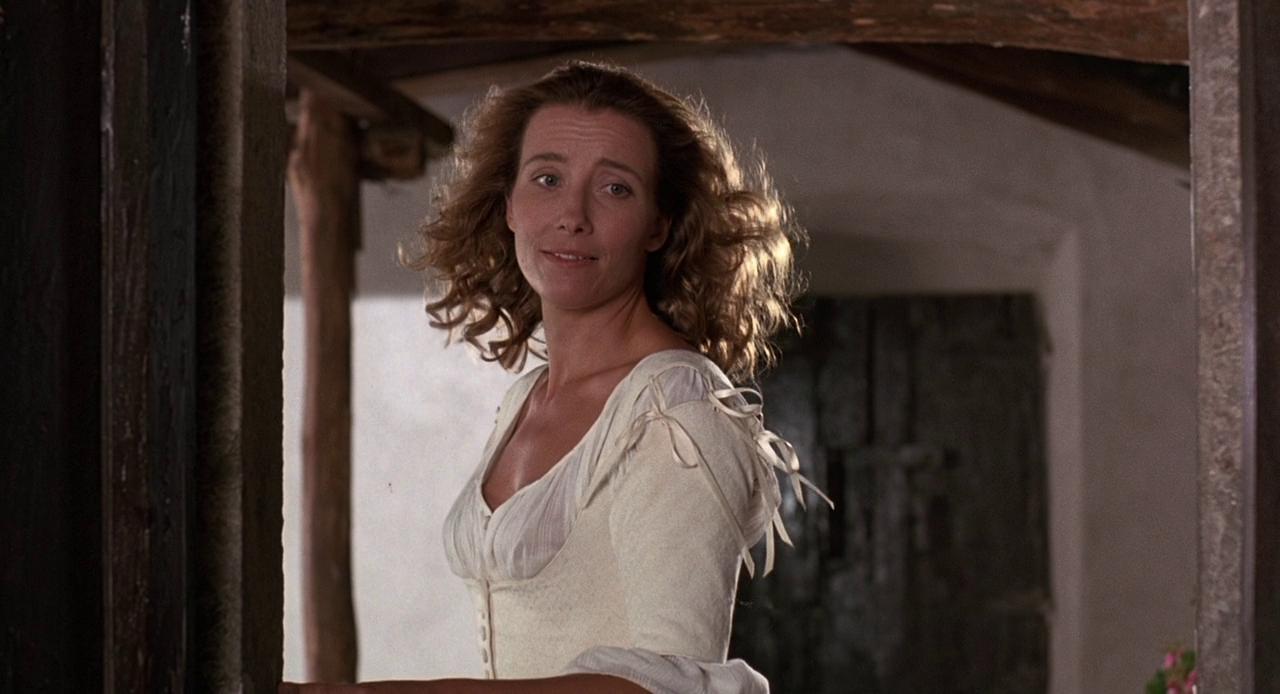
Beatrice arrives in Much Ado About Nothing already mid-argument, and Thompson never lets her stop. The verbal sparring with Branagh’s Benedick has a rhythm and intelligence that had audiences who’d never sat through Shakespeare completely hooked, and a huge part of that comes from how naturally Thompson wears the language. Her comedic timing here is sharp enough to make you forget you’re watching four-hundred-year-old dialogue. The scene where Beatrice learns that Benedick secretly loves her is the real proof of it — her face moves through disbelief, hope, and joy in about ten seconds, and the way she physically crumples behind the garden fountain before pulling herself back together gets a laugh and a lump in the throat at the same time.
11. Roald Dahl’s Matilda the Musical (2022)
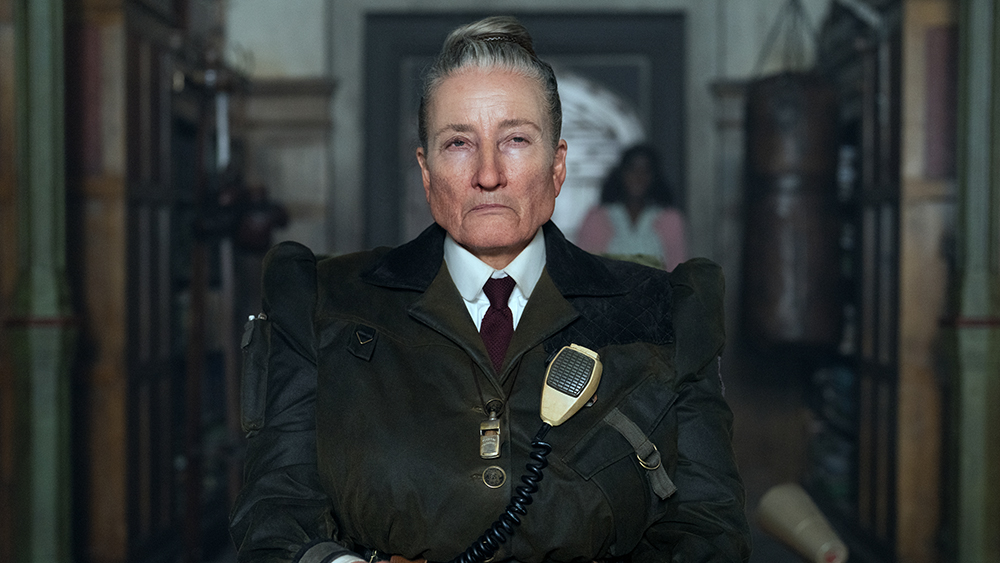
You would not recognize Emma Thompson in this film. The Trunchbull is a broad-shouldered, hammer-throwing authoritarian nightmare, and Thompson plays her not as pure pantomime but as a menacing force whose contempt for children feels personal and specific. The transformation is so total that it became the primary reason audiences sought out this Netflix adaptation, with many viewers rewinding scenes simply to study how Thompson moves through a room. Her delivery of the Chokey scenes, where she punishes students in a spiked closet, carries a gleeful cruelty that never tips into self-parody. That coiled, predatory stillness carries through the whole film, making every child in the room, and every child watching, hold their breath. It’s a bold physical performance that commits completely to the character’s terrifying absurdity, and Thompson never once lets you forget that the Trunchbull genuinely believes she is in the right.
10. Good Luck to You, Leo Grande (2022)

Nancy Stokes has spent her entire adult life doing what was expected of her, and she has arrived at retirement having never once prioritized her own pleasure. Thompson plays that accumulated self-denial with extraordinary precision, and the film’s two-hander structure, opposite a wonderfully grounded Daryl McCormack, means there’s nowhere to hide. The script gives Thompson scenes that require her to move between dry, self-deprecating humor and raw, unguarded longing within the same breath, and she handles those shifts without a single false note. The moments of physical and emotional vulnerability that Emma commits to here are among the bravest things she has done on screen. Audiences responded with genuine warmth, recognizing in Nancy a woman they knew from their own lives. Nancy demands total emotional and physical availability, and Thompson gives her both, landing the film’s final mirror scene with a quiet, unhurried confidence that stays with you long after the credits roll.
9. Nanny McPhee Franchise (2005–2010)
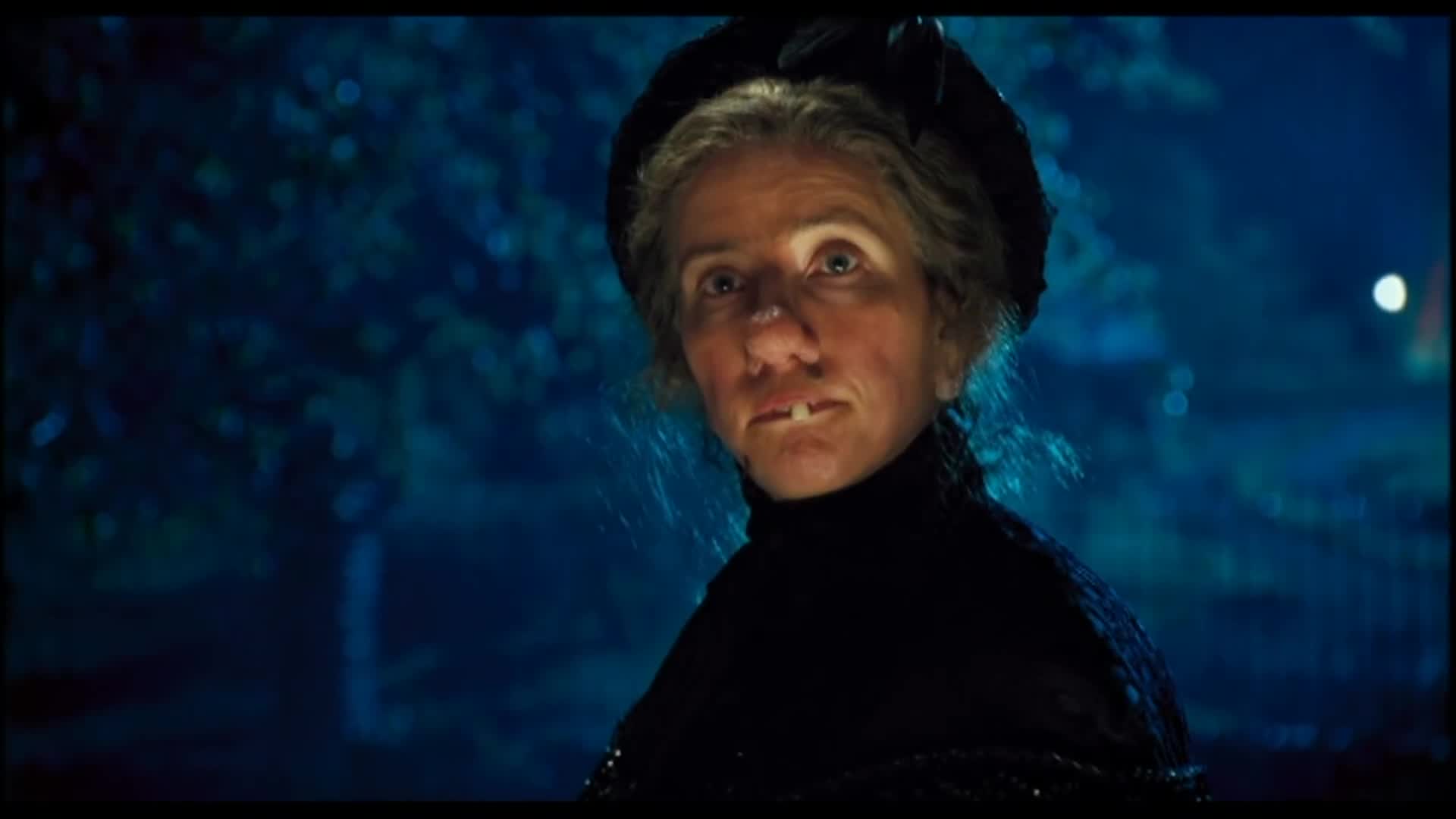
Nanny McPhee gets uglier or more beautiful depending on whether the children still need her, which is a genuinely strange and brilliant idea for a character. Thompson developed, wrote, and starred in both films, building a prosthetic-laden magical nanny who operates on a completely different philosophy from Mary Poppins: discipline through consequence, not sweetness. The physical performance underneath all that makeup is surprisingly expressive, and Thompson finds real warmth in McPhee’s gruff economy of emotion. What sticks with you is the way she taps her stick and simply waits, utterly still, while the household chaos crashes around her — patient and immovable in a way that’s somehow funnier and more affecting than any spell could be.
8. Stranger Than Fiction (2006)
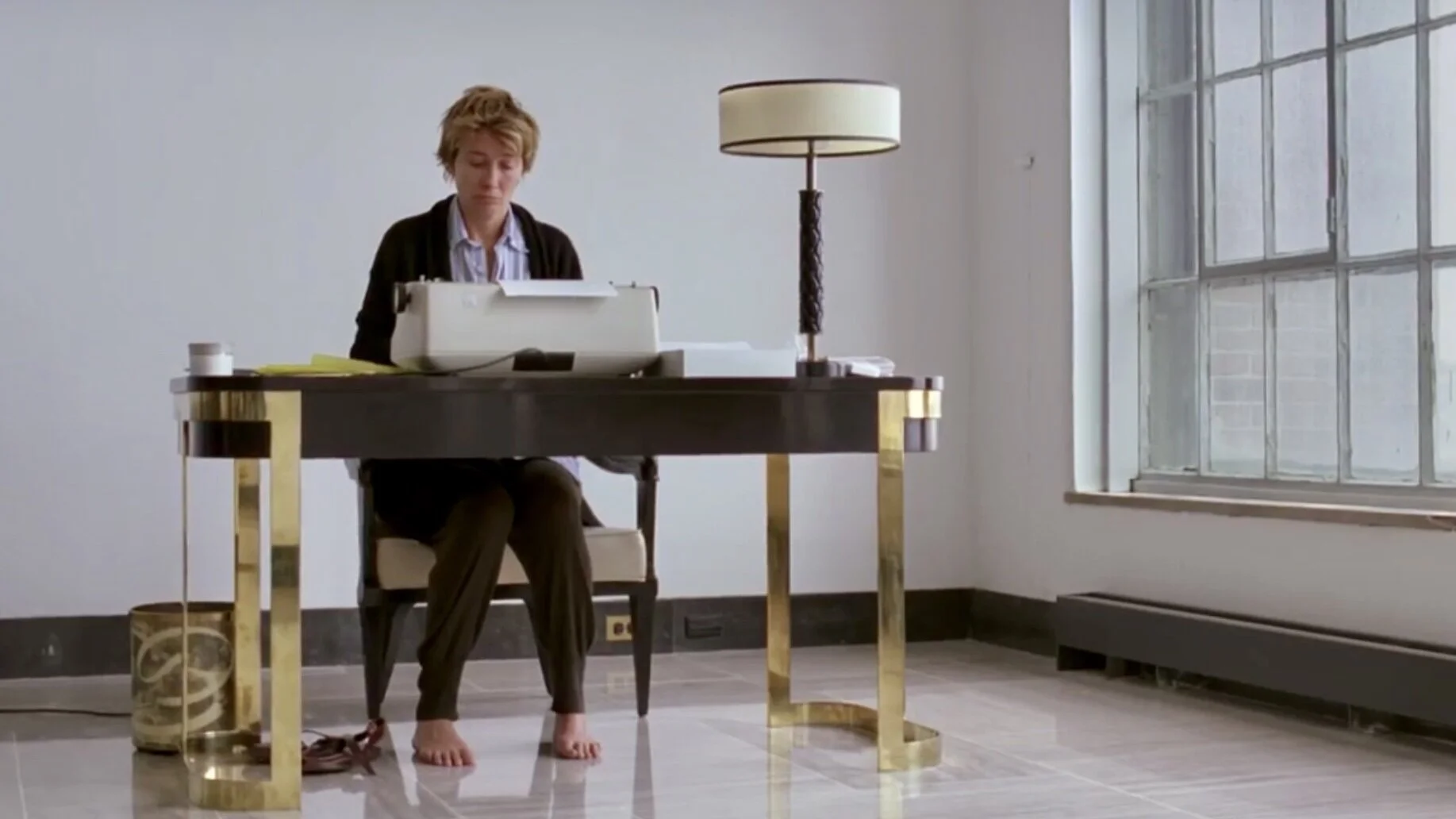
Kay Eiffel is a novelist so profoundly blocked that she spends her days researching death methods from her apartment window, chain-smoking and narrating her own misery into a tape recorder. Thompson plays her with a twitchy, melancholic humor that keeps the character from tipping into pure self-parody. The film’s meta-fictional premise, in which Kay’s narration is literally controlling the life of a real man, could have collapsed under its own cleverness, but Thompson grounds it by making Kay’s creative torment feel completely real. Her best scene is a quiet one: Kay out in the world watching strangers, wrestling with how her protagonist should die, and looking as though the decision is breaking her heart.
7. Harry Potter Franchise (2004–2011)
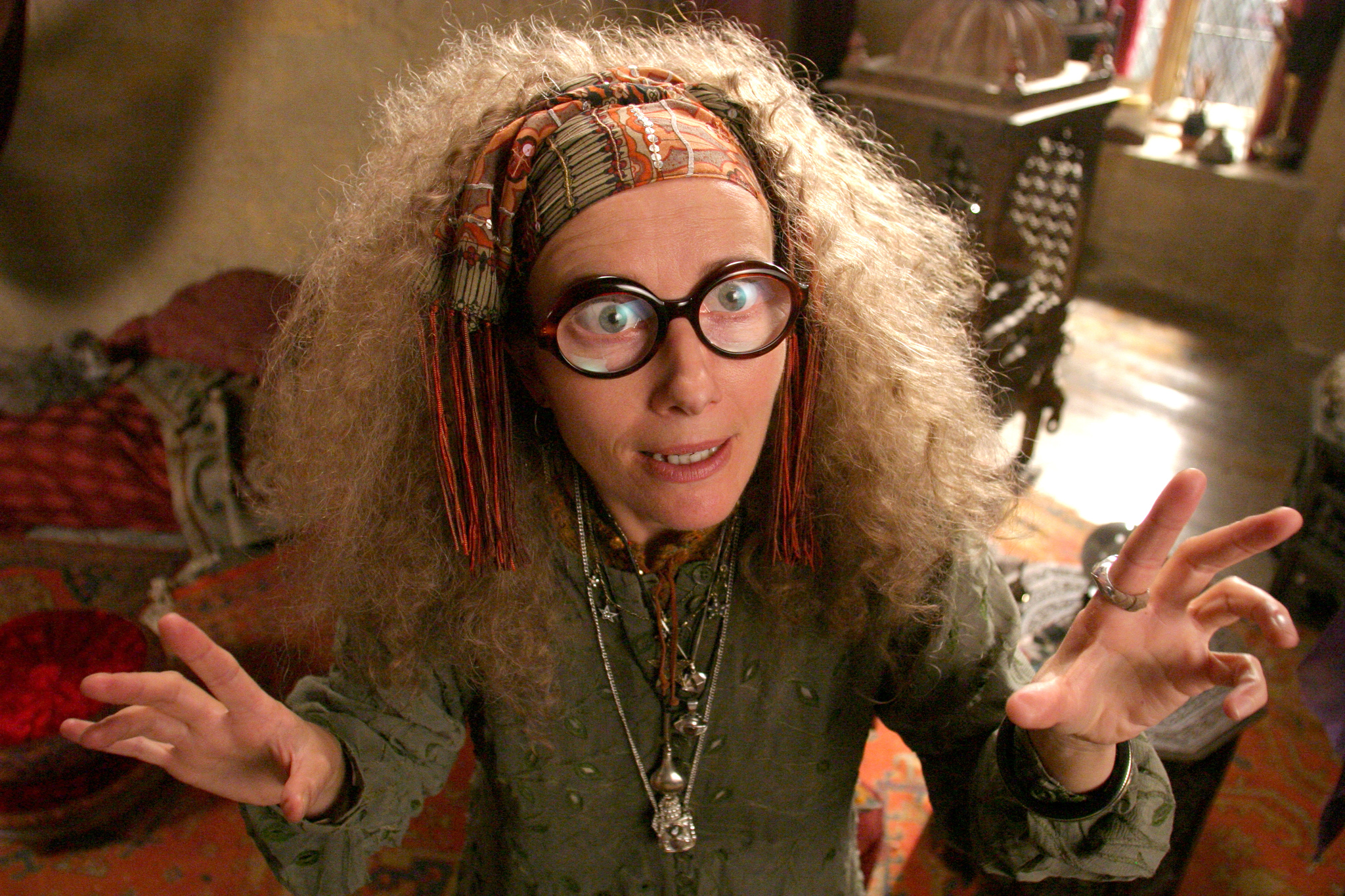
Professor Trelawney makes her entrance in Harry Potter and the Prisoner of Azkaban wrapped in shawls and enormous glasses, smelling of sherry and predicting doom with absolute conviction, and Thompson immediately establishes her as one of the great comic creations of the entire series. The character could have been a one-note joke, but Thompson finds a real person underneath the mystical affectations. Her finest moment comes in Order of the Phoenix, when Trelawney is publicly humiliated and dismissed from Hogwarts, and Thompson plays the raw hurt and wounded dignity of someone who genuinely believed she belonged there — it’s gutting in a way you simply wouldn’t expect from a character played mostly for laughs, and that’s entirely Thompson’s doing.
6. In the Name of the Father (1993)
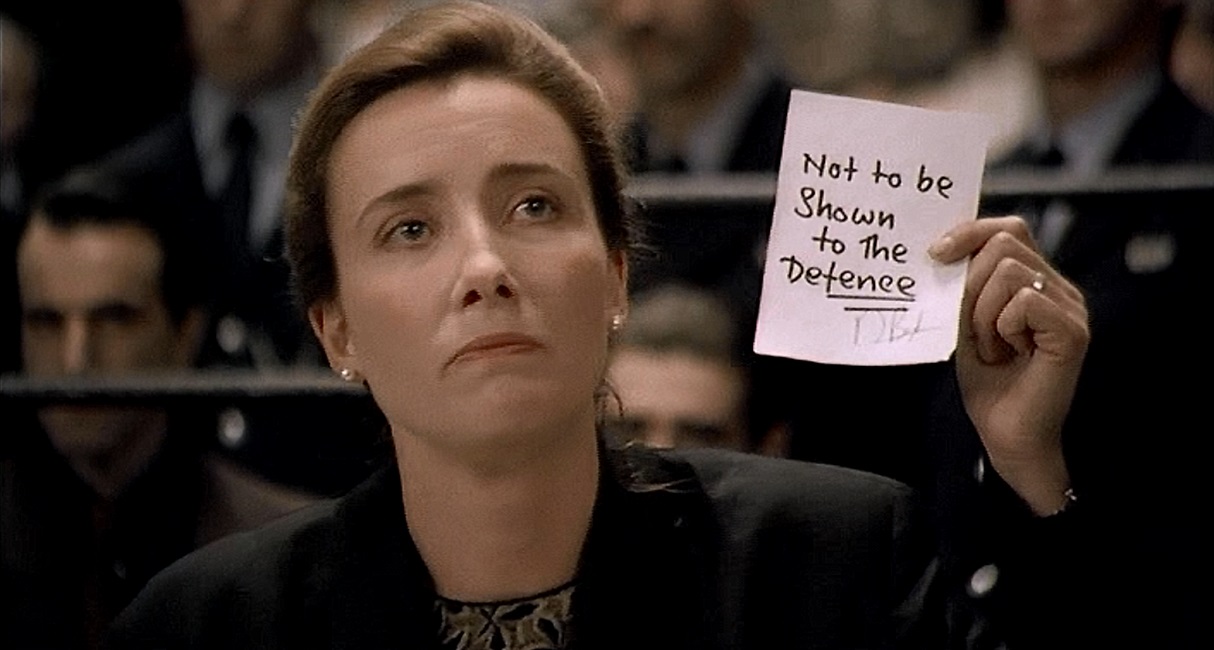
Gareth Peirce walks into In the Name of the Father about halfway through, and the film immediately sharpens. Thompson plays the real-life solicitor fighting to exonerate the Guildford Four with a grounded, almost documentary-like conviction, bringing righteous intelligence to every scene without ever letting Gareth tip into speechifying. The courtroom scenes are where Thompson’s physical restraint really pays off — she keeps her voice low and even, barely raising it above a firm conversational tone, which makes the moments when she leans forward over the evidence files feel more charged than any shouting match could. The final confrontation works because Thompson plants her feet, slows her delivery right down, and lets the silence after each sentence do the heavy lifting.
5. Saving Mr. Banks (2013)
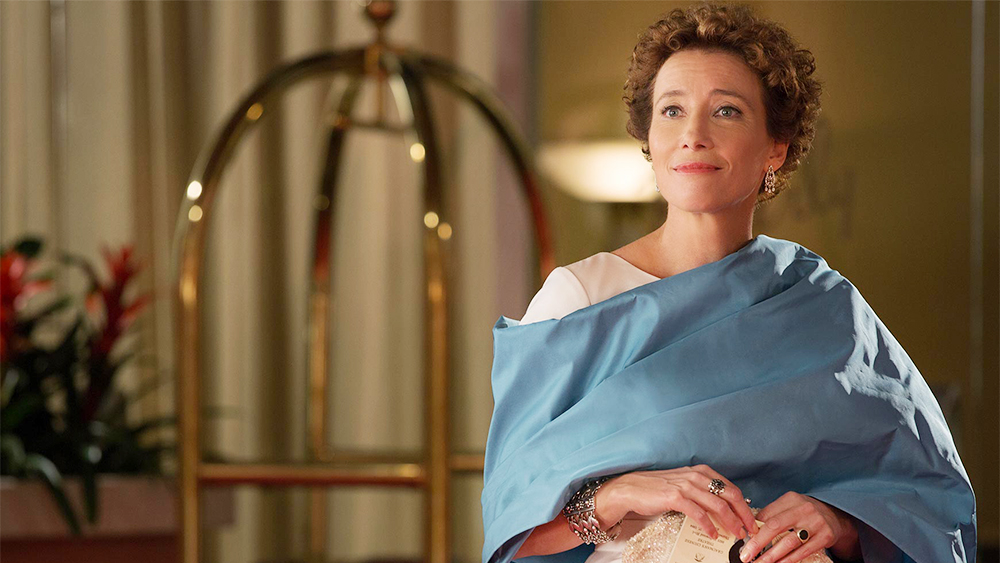
P. L. Travers arrives in Hollywood already on the defensive, and Thompson plays her as a woman whose armor has grown so thick she’s forgotten there was ever anything worth protecting underneath. The prickliness is magnificent: every time Walt Disney (Tom Hanks) tries to charm her, Travers finds a new way to refuse him, and Thompson makes you simultaneously admire her principles and despair at her inability to let anyone in. The film’s emotional climax, where Travers confronts her past and finally breaks down, not from joy but from grief, is the key to everything Thompson has been building, and she plays it with her jaw tight and her eyes refusing to spill over until they absolutely have to.
4. Love Actually (2003)
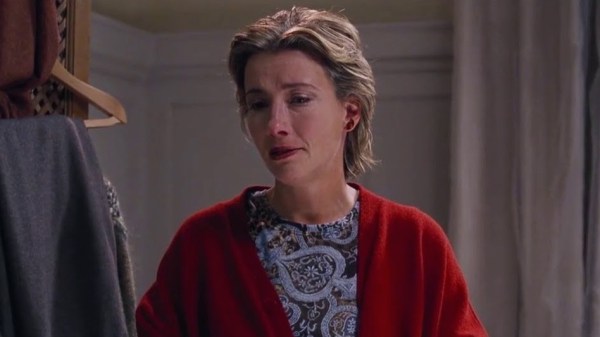
Karen gets maybe twenty minutes of screen time in Love Actually, and Thompson makes them count more than almost anyone else in the ensemble. The scene where Karen retreats to her bedroom after realizing her husband has bought jewelry for another woman, puts on Joni Mitchell, and gives herself exactly two minutes to fall apart before going back to her children has become one of the most shared and discussed clips in modern holiday cinema. Audiences recognized immediately that Thompson found the real human cost buried inside a film full of broad romantic comedy, and that understanding has only deepened over the years. The way she straightens her face before opening the bedroom door is devastating.
3. The Remains of the Day (1993)
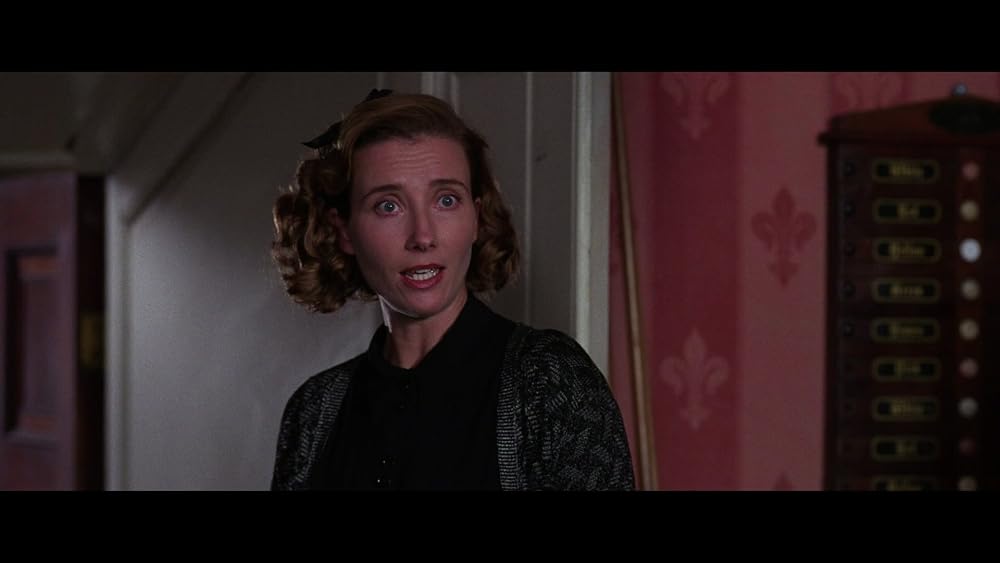
Miss Kenton is in love with a man who will never say so, and neither will she. Thompson plays this slow-motion heartbreak almost entirely through what she doesn’t say: a glance held a beat too long, a sentence that trails off before it becomes a declaration, a moment of brightness that dims when Anthony Hopkins’s Stevens fails to meet her. The film was widely celebrated upon release, and how completely her performance anchors this Merchant Ivory story is a big part of why. In the late scene where Miss Kenton finally admits her marriage isn’t what she’d hoped, Thompson lets the confession land quietly, then turns away before Stevens can respond — and that small physical retreat tells you everything about twenty years of swallowed feeling.
2. Sense and Sensibility (1995)
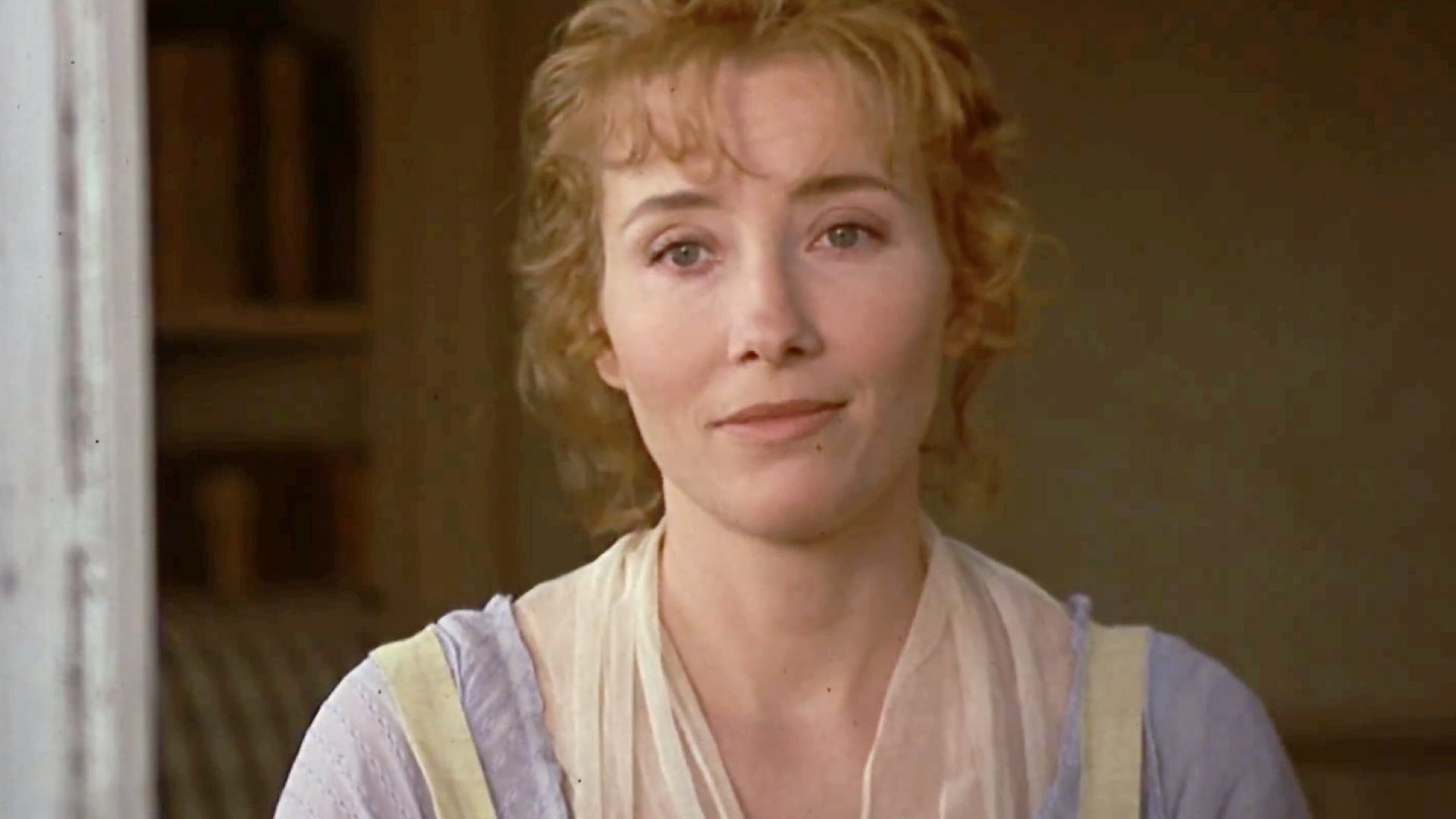
Elinor Dashwood has spent the entire film being the responsible one: managing the family’s reduced circumstances, suppressing her own feelings, watching her sister Marianne fall apart while she holds everything together. Thompson wrote the screenplay herself, and then she turned around and played Elinor with a performance of quiet, accumulated anguish. The scene where Elinor finally breaks down in tears after learning Edward Ferrars is free to marry her is one of the most emotionally overwhelming moments of 1990s cinema, a release of everything she’s been holding back for two hours. That she pulled off both the writing and the acting on the same film is something that still feels almost impossible to get your head around.
1. Howards End (1992)
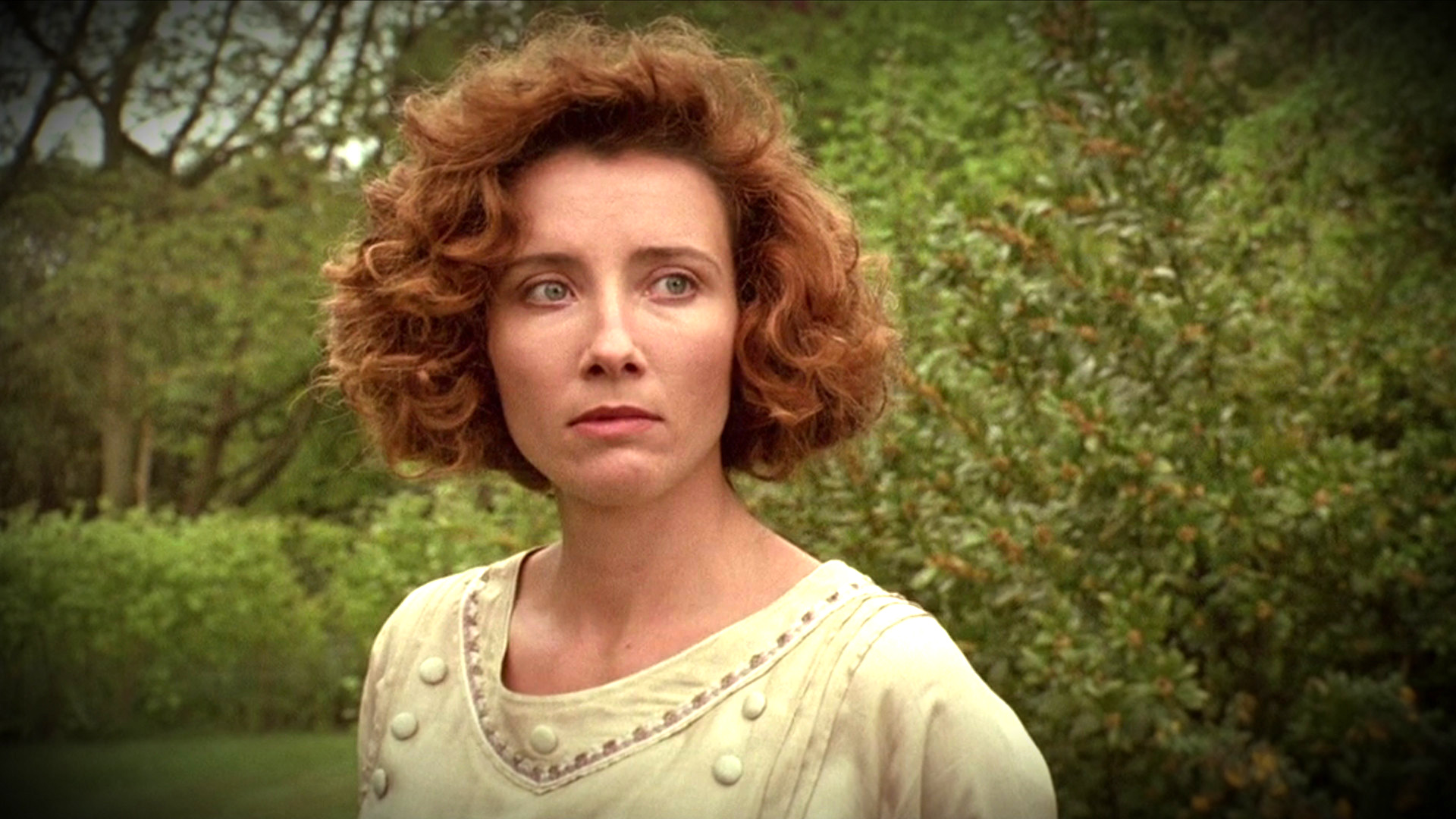
Margaret Schlegel holds fast to her faith in people even as the world keeps proving her wrong, and Thompson plays that faith as something quietly stubborn rather than naïve. She won the Academy Award for Best Actress for the role, and it’s hard to argue with that call. She grounds every scene with an emotional intelligence that never tips into sentimentality, and her early television work in Tutti Frutti, Fortunes of War, and Angels in America shows the range was always there. What stays with you is the moment Margaret finally confronts Henry — Thompson keeps her voice completely level, which makes the devastation land harder than any outburst could.
Written by Miranda Davies
Film & TV Enthusiast
Hi, my name is Miranda Davies, and I’ve loved film and television all of my life. Some of my earliest memories involve me and family or friends catching the latest movies, or reclining on the couch to catch some awesome television, and I want to share that passion with fellow fans like you! The best way to celebrate film and television is to chat about it with people as equally passionate as you, so this website will be dedicated to being a hub for those that want to chat about their obsessions in a safe and welcoming environment that is fun to visit!
More about the author