
Top 15 Nicolas Cage Movies, Ranked
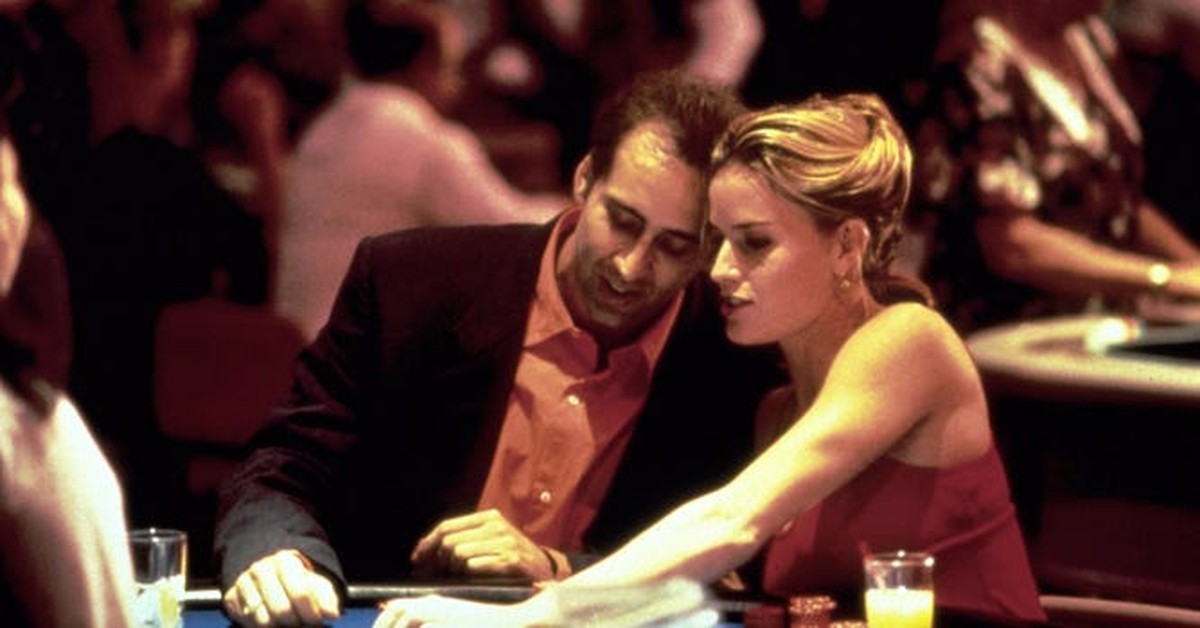
Nobody commits quite like Nicolas Cage. Whether he’s eating a real cockroach, screaming into a bathroom mirror, or delivering Freemason conspiracy theories with the gravity of a Shakespearean monologue, he brings an intensity to every role that makes it impossible to look away. At TV Hulk, we ranked these performances by one standard: how much did Cage disappear into the character, and how long did the performance stay with us after the credits rolled? That means full credit goes to the unhinged cult classics right alongside the prestige dramas, because with Cage, going all the way in IS the craft. Here are his 15 best.
15. Birdy (1984)
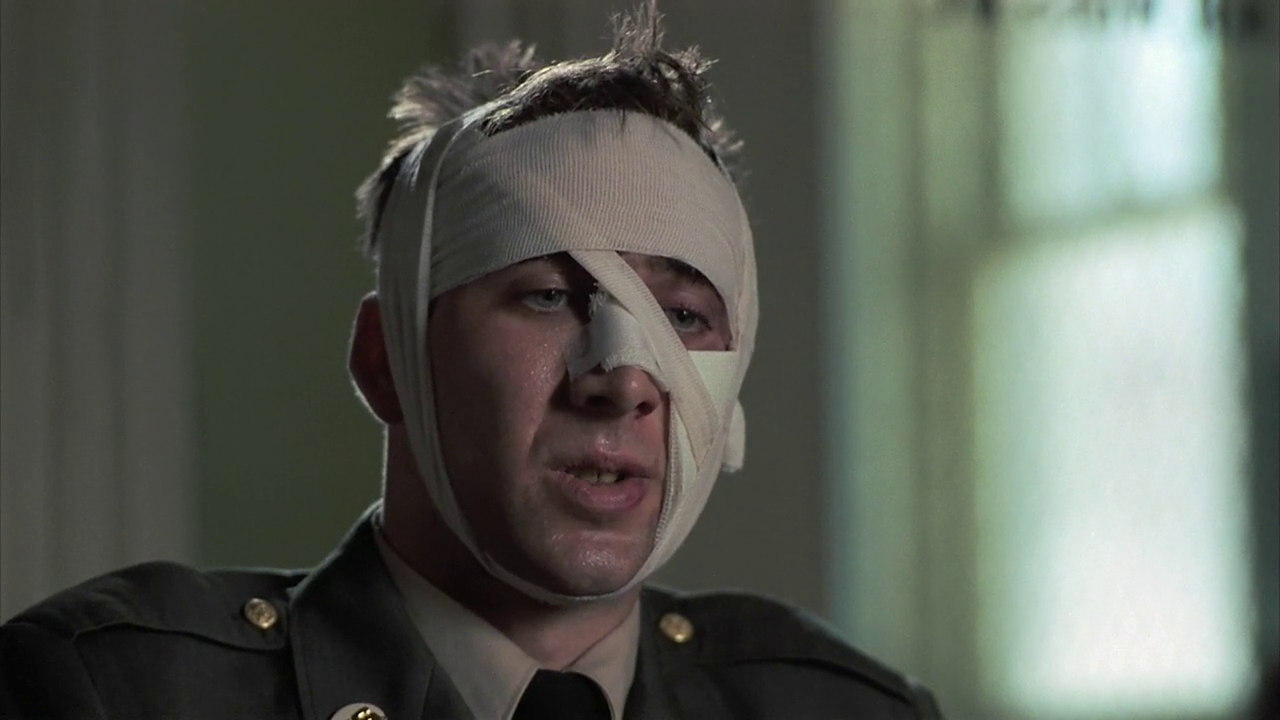
Al Columbato shows up to this film with his face wrapped in bandages, and that’s not a metaphor. Cage reportedly had teeth extracted and kept his face bound for weeks to prepare for playing a Vietnam vet trying to reach his psychologically shattered best friend. At just 21 years old, the physical and emotional commitment he brings to Al is startling. He holds his own completely against a career-best Matthew Modine, grounding every scene with a wounded sincerity that keeps the film from tipping into melodrama. It’s the earliest signal on this list of exactly the kind of fearless actor he was becoming.
14. Vampire’s Kiss (1989)
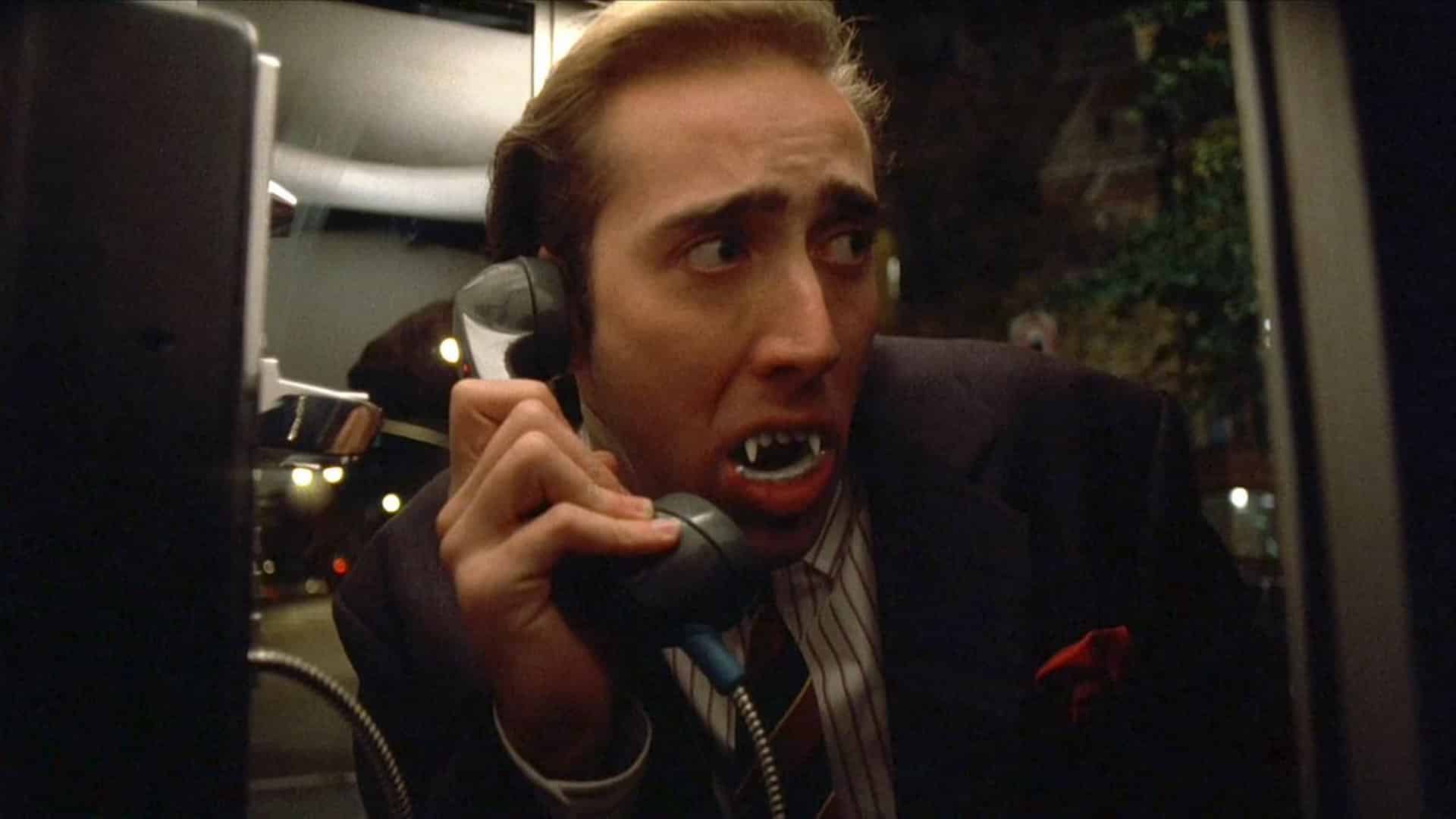
There is a scene in this film where Peter Loew recites the alphabet. Not calmly, but in escalating, full-body hysteria, as if the letters themselves are betraying him. That moment, alongside Cage actually eating a live cockroach on camera and stalking around Manhattan in plastic vampire fangs, turned this low-budget psychological horror-comedy into one of cinema’s great cult artifacts. Peter is a Manhattan literary agent convinced he’s transforming into a vampire, and Cage plays the delusion with zero irony and total conviction. The internet eventually caught up to what this film was doing, and its cultural stature has only grown since. It’s the movie that established his willingness to go further than any reasonable actor would even consider.
13. National Treasure Franchise (2004–2007)
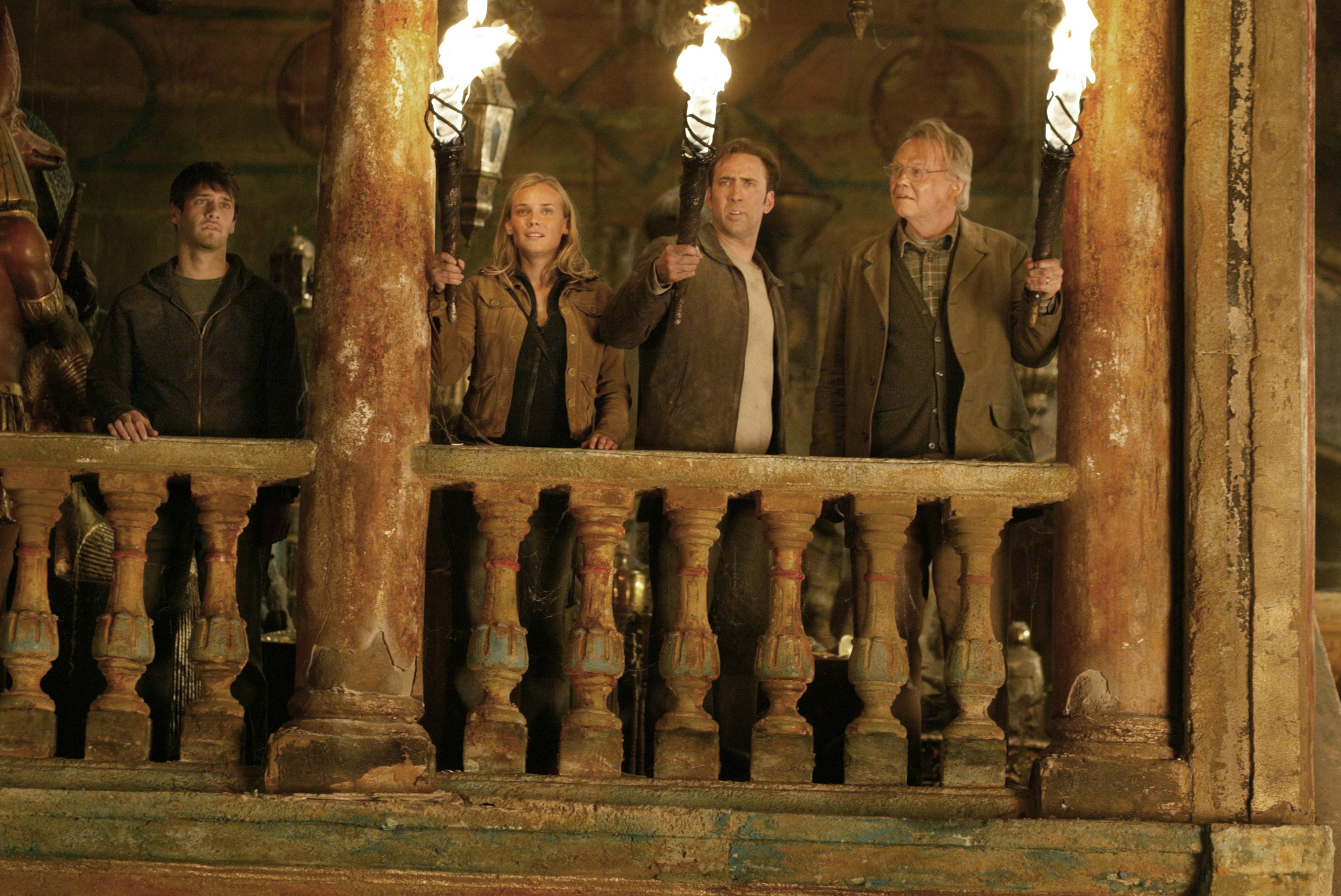
Benjamin Franklin Gates is the kind of conspiracy theorist you’d normally cross the street to avoid, but Cage plays him with such wide-eyed, unironic sincerity that you end up completely on his side. In the first film, there’s a moment where Ben explains, with the calm authority of a tenured professor, exactly why stealing the Declaration of Independence is not only logical but morally necessary, and Cage sells every word of it. That straight-faced commitment to the absurd premise is what made the franchise work for a whole generation of kids who grew up treating it like a legitimate history lesson. The sequel has its pleasures too, but the original is where Ben Gates feels freshest and most alive.
12. Matchstick Men (2003)
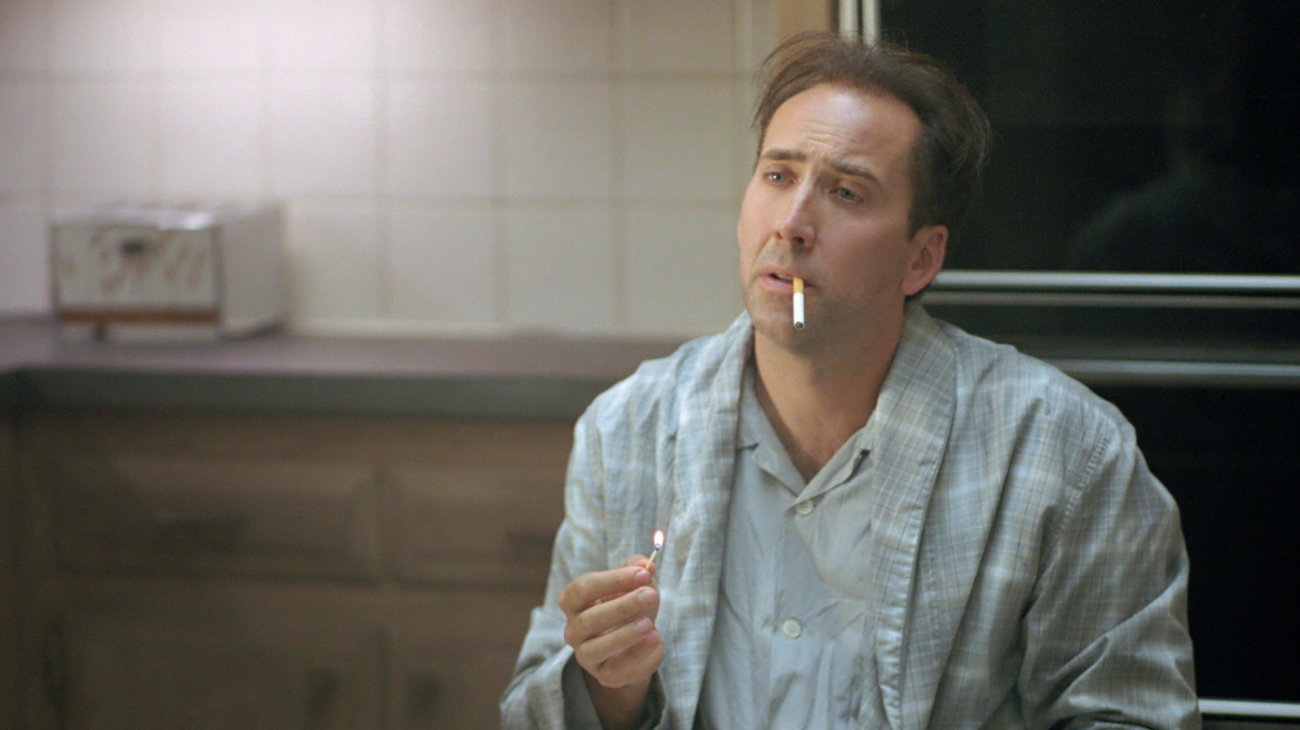
Roy Waller cannot walk through a door without a ritual. He blinks in rapid-fire bursts, scrubs his floors obsessively, and folds into himself whenever the world gets too loud. Cage builds this OCD-riddled con man from the tics outward, making every physical choice feel like it belongs to Roy rather than to a performer showing off. It’s a precision performance wrapped inside a Ridley Scott crowd-pleaser, and the scene where Roy finally opens his front door without counting, small and quiet and enormous, lands because Cage has done the work to make us understand what that door represents. When his tics serve the character rather than replace the character, the results are this controlled and this effective.
11. Wild at Heart (1990)
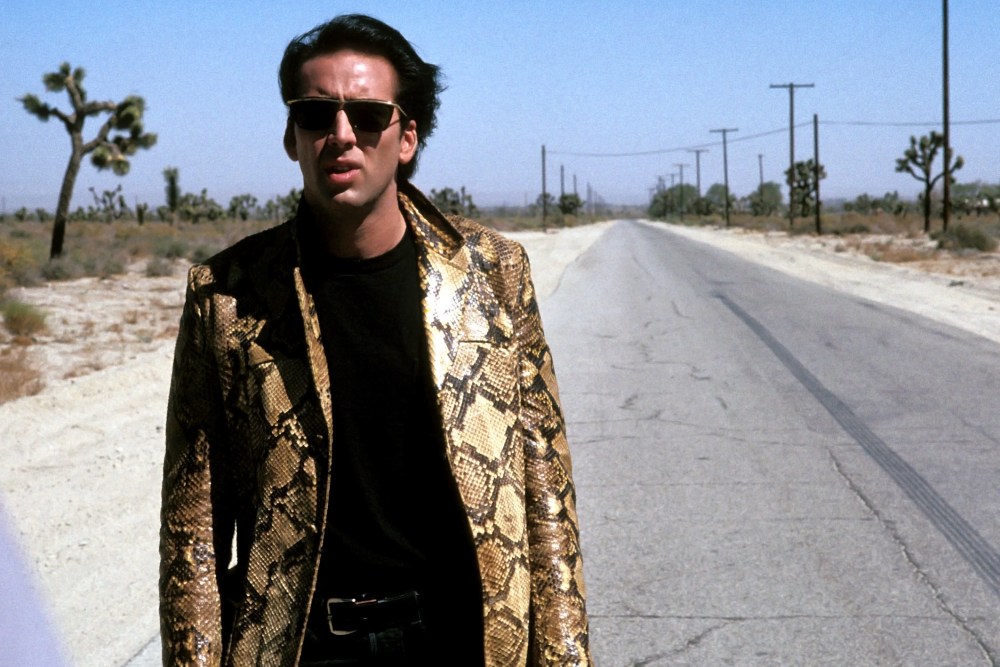
Sailor Ripley wears his snakeskin jacket like a religion and sings Elvis with the conviction of a man who genuinely believes rock and roll can save your life. Cage plays this dangerous, tender outlaw in David Lynch’s fever-dream road movie as pure id, someone who operates entirely on instinct and passion, with no filter between feeling and action. There’s a scene where Sailor breaks into an impromptu “Love Me Tender” for Lula in a hotel room, and it’s somehow both ridiculous and completely moving. What Sailor really reveals is that Cage’s instinct for romantic extremity isn’t a quirk to be managed — it’s the whole engine, and when a director like Lynch just lets it run, the results are unlike anything else.
10. The Rock (1996)
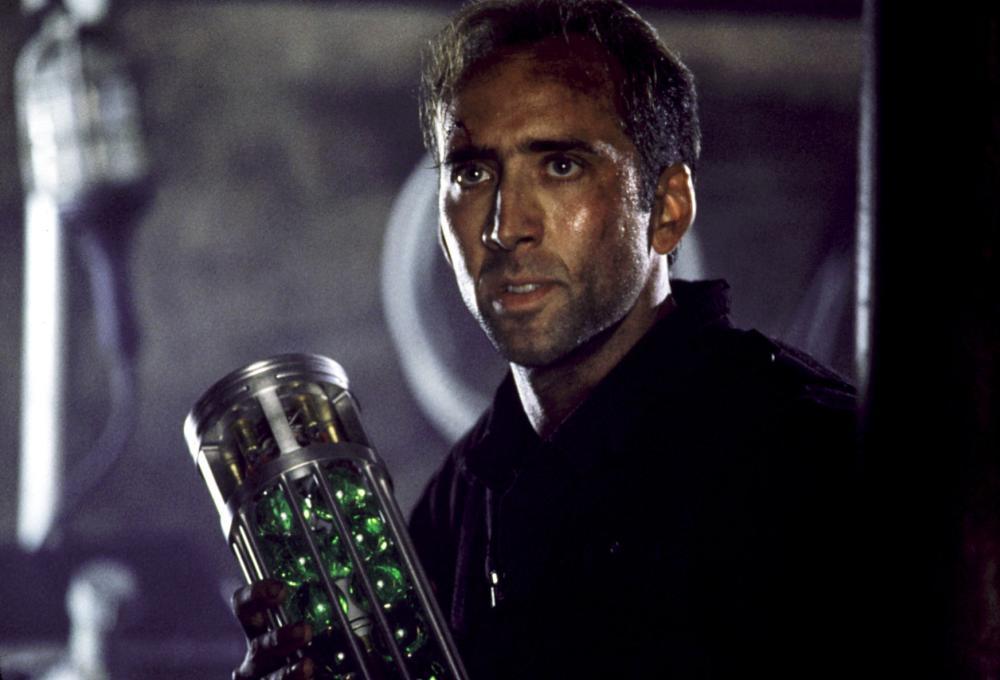
Stanley Goodspeed is not supposed to be here. He’s a chemical weapons analyst, a desk guy, someone whose idea of adventure is arguing about Beatles records, and watching him get thrown into a Michael Bay action machine alongside Sean Connery is funny in a way the film seems fully aware of, and earns every laugh. Cage plays the panic beautifully: sweating through every explosion, visibly terrified while still somehow moving the plot forward, reacting to Connery’s effortless cool with the energy of a man who cannot believe this is his Tuesday. Goodspeed’s everyman terror gives the film a comedic grounding that a lot of ’90s action movies were missing, and it helped make The Rock one of the decade’s biggest hits.
9. Bad Lieutenant: Port of Call New Orleans (2009)
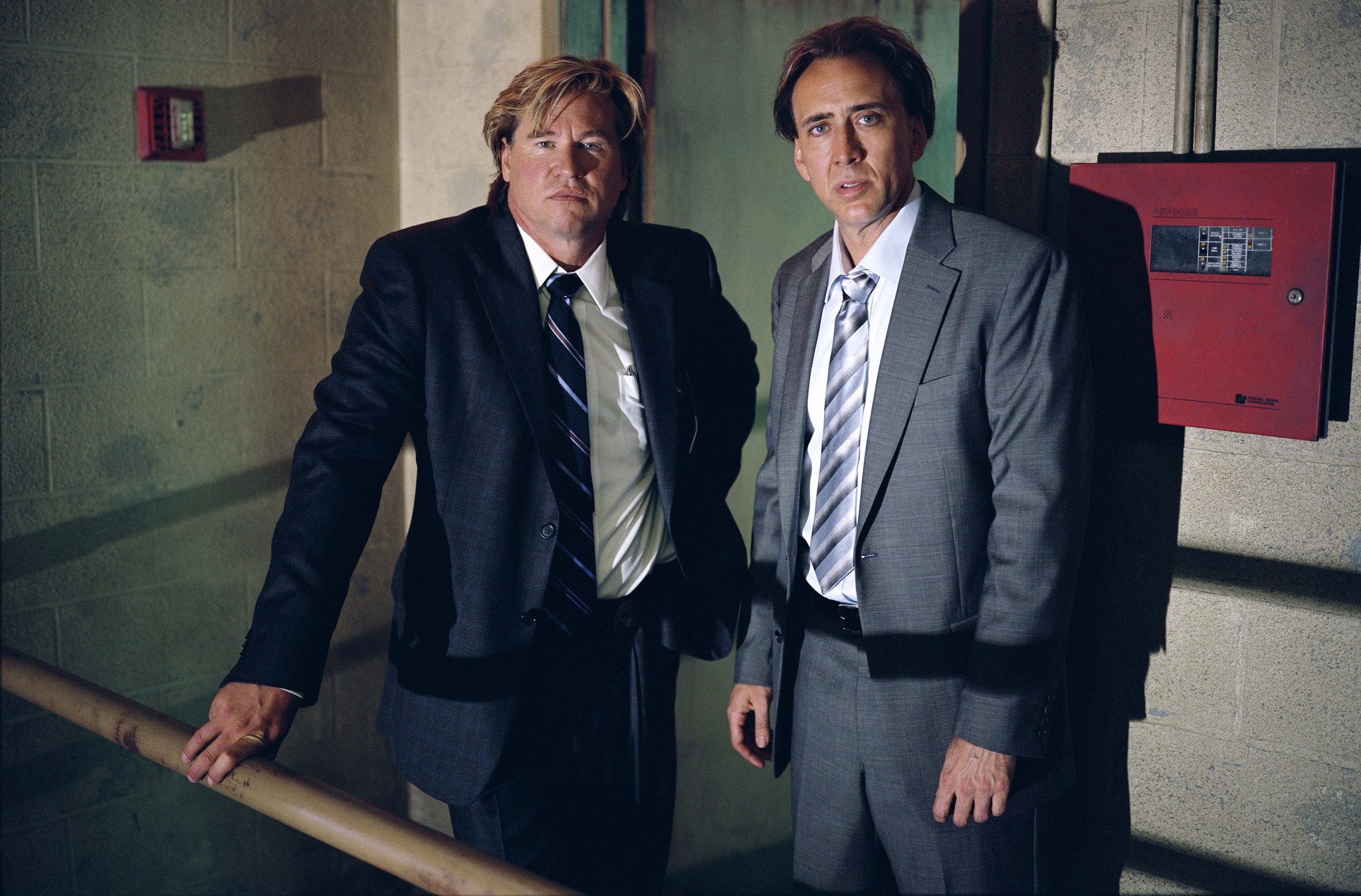
Werner Herzog told Cage to do whatever he wanted, and what Cage wanted was to play Terence McDonagh as a man whose grip on reality has completely dissolved. The iguana hallucination scene, where McDonagh crouches down to watch lizards that only he can see while a crime scene unfolds behind him, is the film in miniature: absurd, committed, and somehow completely logical within its own warped universe. Cage also shoots a hospital patient’s oxygen supply in a moment of casual, drug-fueled menace that lands somewhere between horrifying and darkly hilarious. Critics initially weren’t sure what to make of it, but over time this gonzo performance became one of his most fully realized and flat-out strange pieces of work.
8. The Unbearable Weight of Massive Talent (2022)
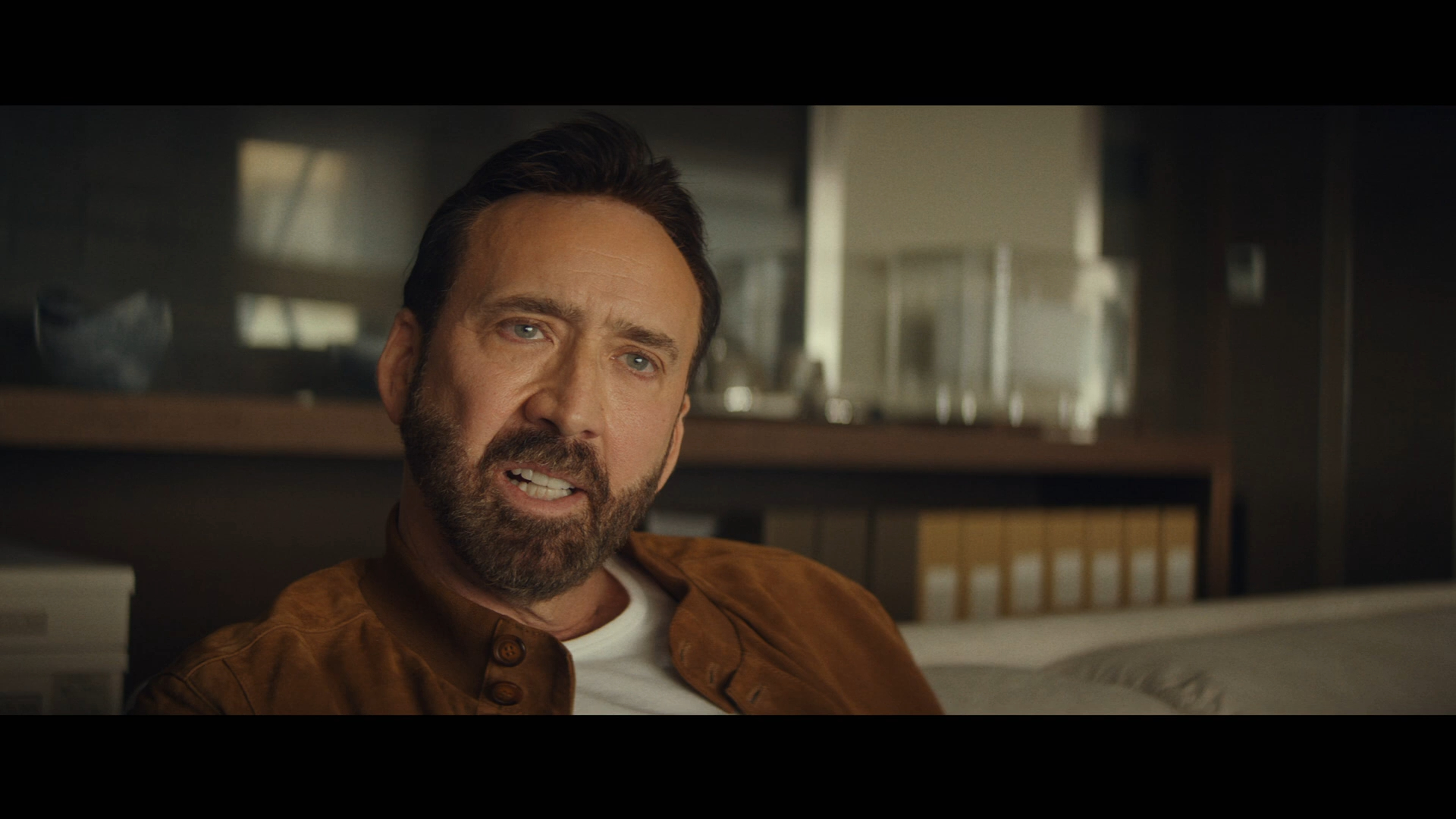
The premise here is that a broke, fictionalized version of Nicolas Cage gets hired by a billionaire superfan and ends up in a CIA operation, and the film works entirely because Cage commits to every layer of the joke with complete seriousness. He argues with “Nicky,” a CGI recreation of his younger self, in scenes that could have been unwatchable self-indulgence but instead feel like genuine self-examination. The moment where Nick watches Paddington 2 with his new best friend and tears up is played completely straight, and it’s funnier and sweeter for it. His willingness to play himself as flawed, desperate, and deeply human made the whole thing land.
7. Pig (2021)
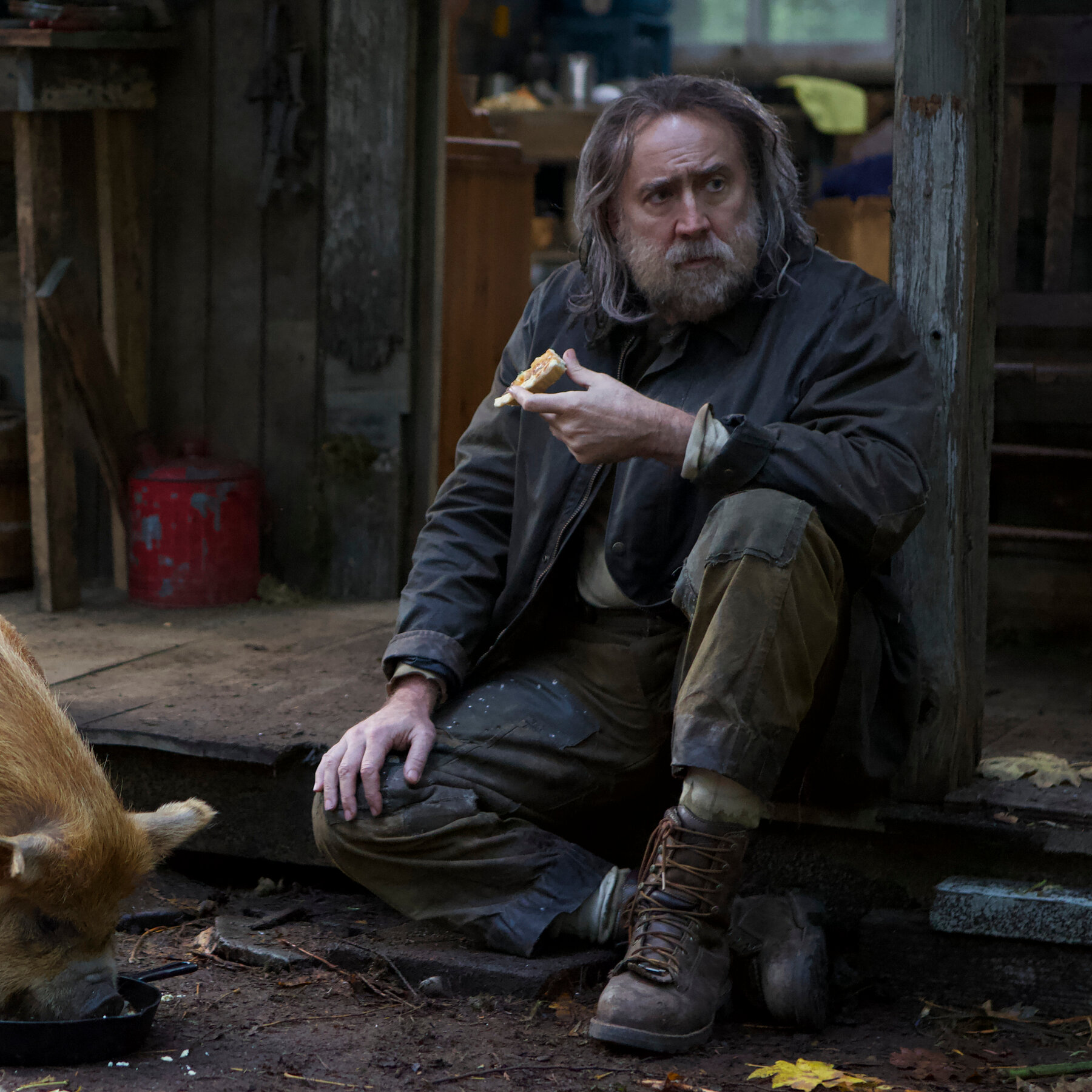
Rob doesn’t explain himself. He doesn’t perform grief, doesn’t monologue about his past, doesn’t give the audience easy emotional handholds. Cage plays this reclusive truffle hunter as a man so hollowed out by loss that he’s stripped everything back to the essentials, and the performance follows the same logic. The scene where Rob sits across from a Portland restaurant chef and quietly dismantles the man’s entire life choices, not cruelly, just with the calm authority of someone who has stopped pretending, is as good as anything Cage has ever put on screen. Critics who had spent years treating his intensity as a punchline were forced to sit with this one. It’s a reminder that restraint, in the right hands, hits just as hard as the screaming.
6. Mandy (2018)
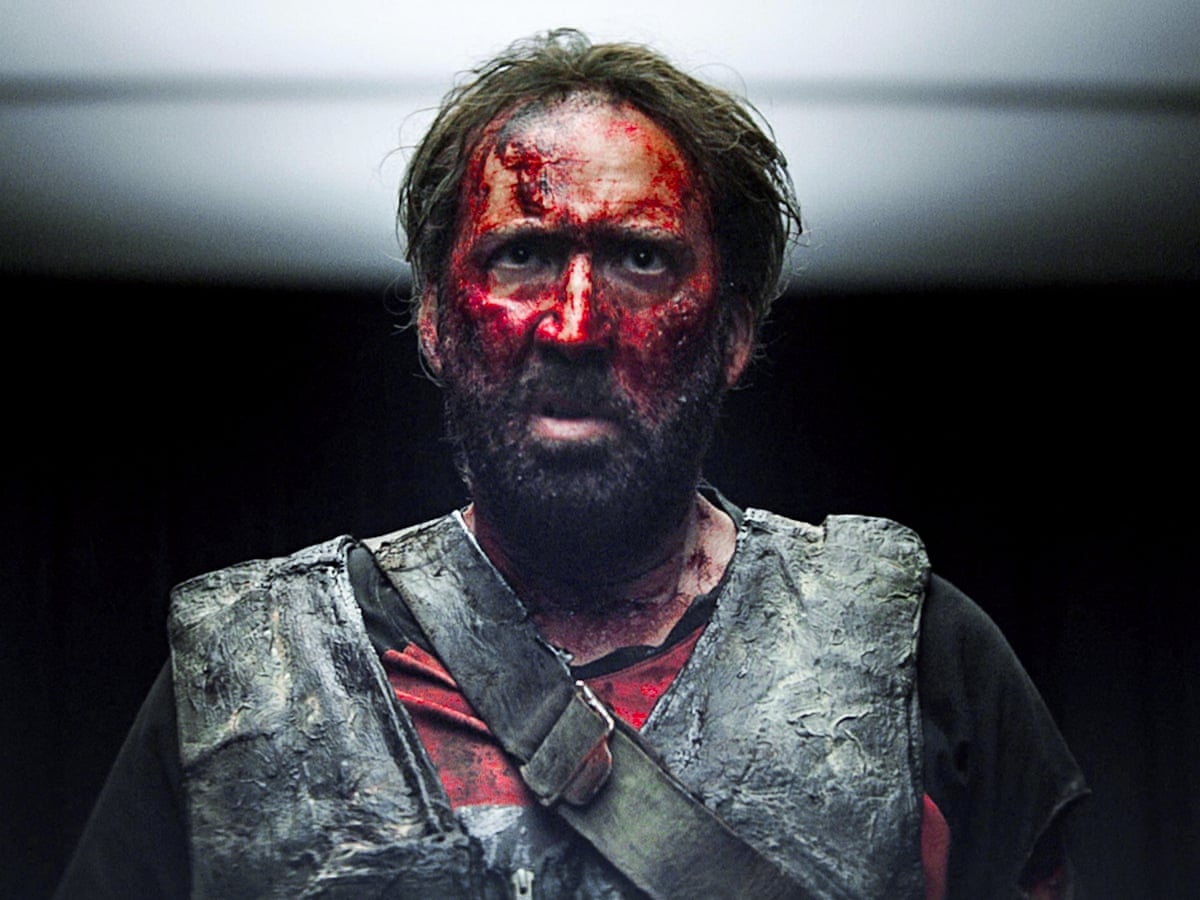
The bathroom scene in Mandy is the one. Red Miller has just watched the woman he loves die, and Cage sits on a bathroom floor in his underwear, drinking straight from a bottle of vodka, and releases a grief so raw and physical it barely seems like acting. Panos Cosmatos built an entire psychedelic metal album cover of a film around that energy, and Cage fills every neon-soaked frame of it. Red’s eventual chainsaw-wielding rampage through a cult works because the bathroom scene earns it, the violence is just grief wearing a different face. For a new generation of fans who’d grown up on the memes, Mandy reframed his unhinged intensity as a genuine artistic instrument rather than an accident.
5. Adaptation (2002)
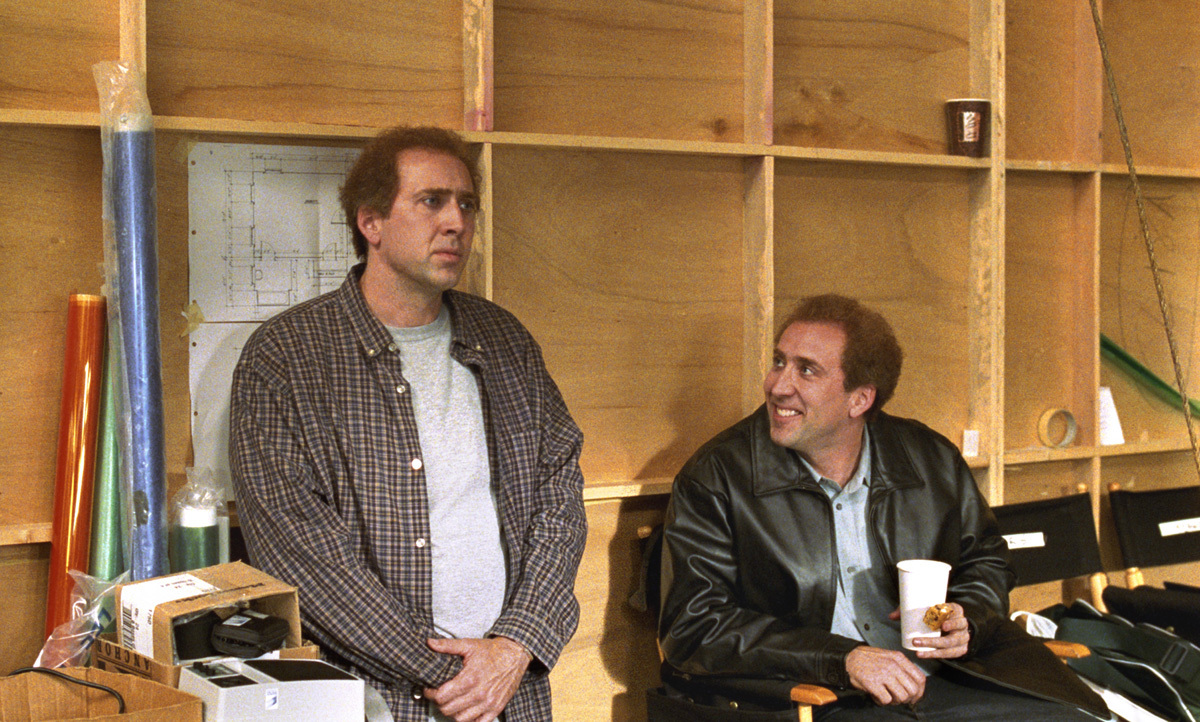
Charlie Kaufman is a neurotic, self-loathing screenwriter who cannot finish his script and cannot stop narrating his own failures. Donald Kaufman is his twin brother: breezy, unself-conscious, writing a thriller with zero anxiety and zero shame. Cage plays both of them in the same film, and the two characters barely seem related despite sharing a face. The scene where Charlie watches Donald work from across a room, comfortable in his own skin in a way Charlie will never be, is quietly heartbreaking, because Cage makes you feel the distance between them even when they’re inches apart. He earned an Oscar nomination for Best Actor for the dual performance, and it proved his dramatic instincts had only sharpened during the blockbuster years.
4. Moonstruck (1987)
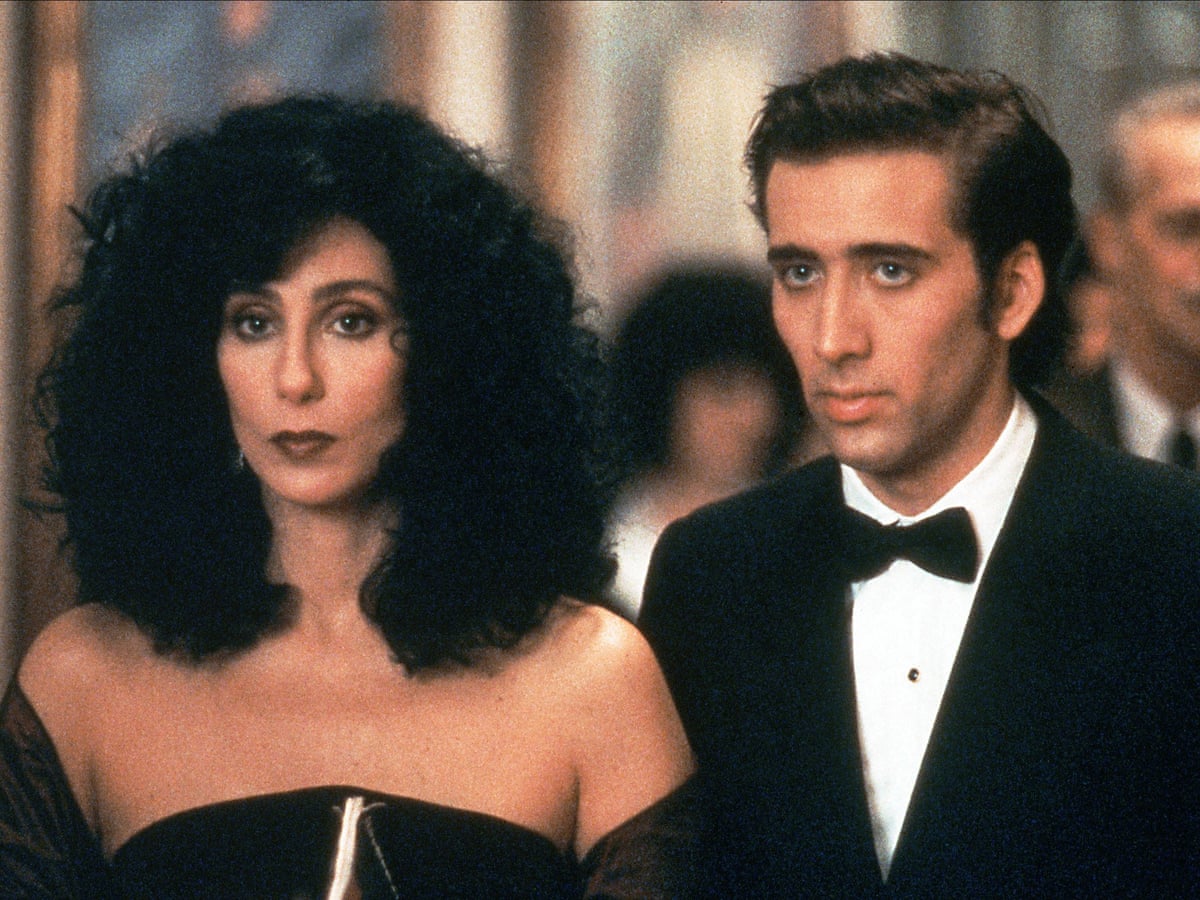
Ronny Cammareri lost his hand to a bread slicer and blames his brother for it, and he carries that operatic grievance into every scene like a man who has decided that life is a tragedy and he intends to play it to the back row. Cage plays him with a romantic intensity so over-the-top it circles back around to completely genuine, and the moment he grabs Loretta’s face and tells her he loves her feels less like a movie scene and more like a force of nature. His chemistry with Cher is electric throughout, and Ronny’s howl-at-the-moon passion is the secret ingredient that makes the film’s love story actually work.
3. Raising Arizona (1987)
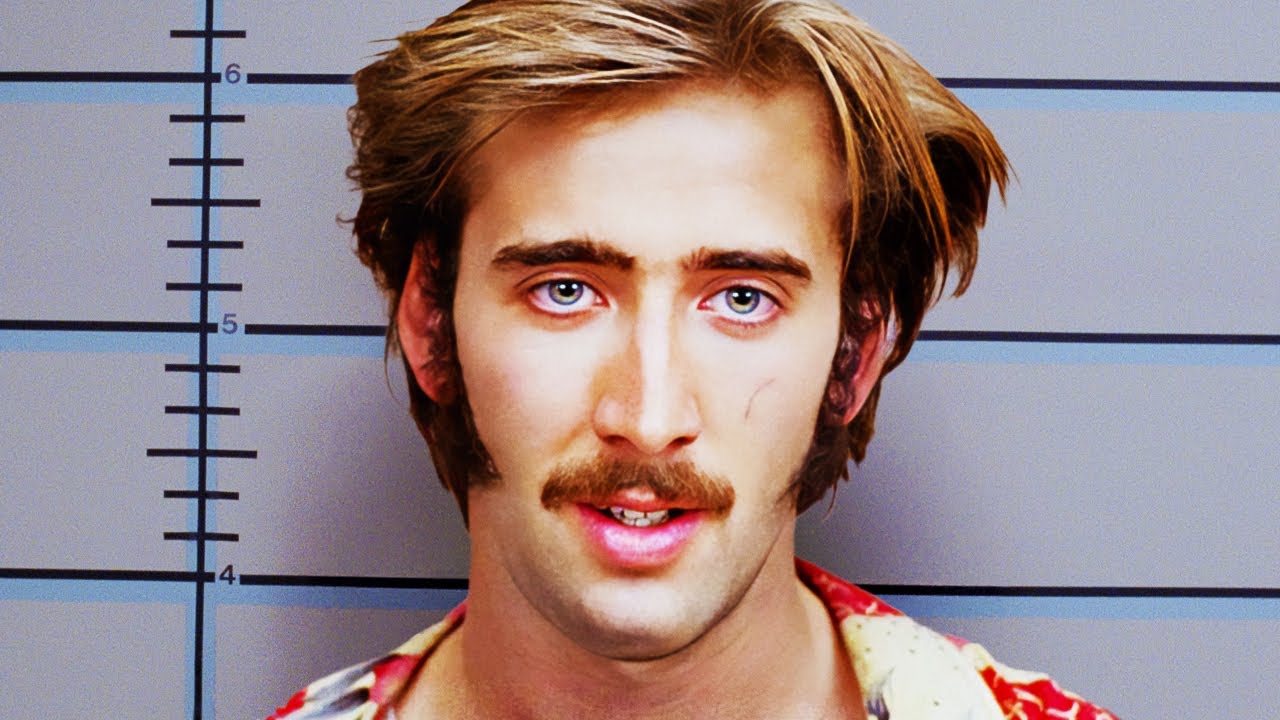
H.I. McDunnough narrates his own life like a man who has thought deeply about his situation and arrived at entirely the wrong conclusions. He’s a repeat-offense convenience store robber who keeps getting arrested by the same cop, falls in love with her, goes straight, then immediately kidnaps a baby because he and his wife can’t have children. Cage plays H.I. with a rubber-band physical energy that perfectly matches the Coens’ screwball universe, and there’s a chase scene involving a gas station robbery, a pack of dogs, and pantyhose on his head that’s choreographed like a cartoon and performed with total sincerity. It was the first time the world saw Cage do absurdist comedy without ever winking at the audience, and the character has only gotten funnier with time.
2. Face/Off (1997)
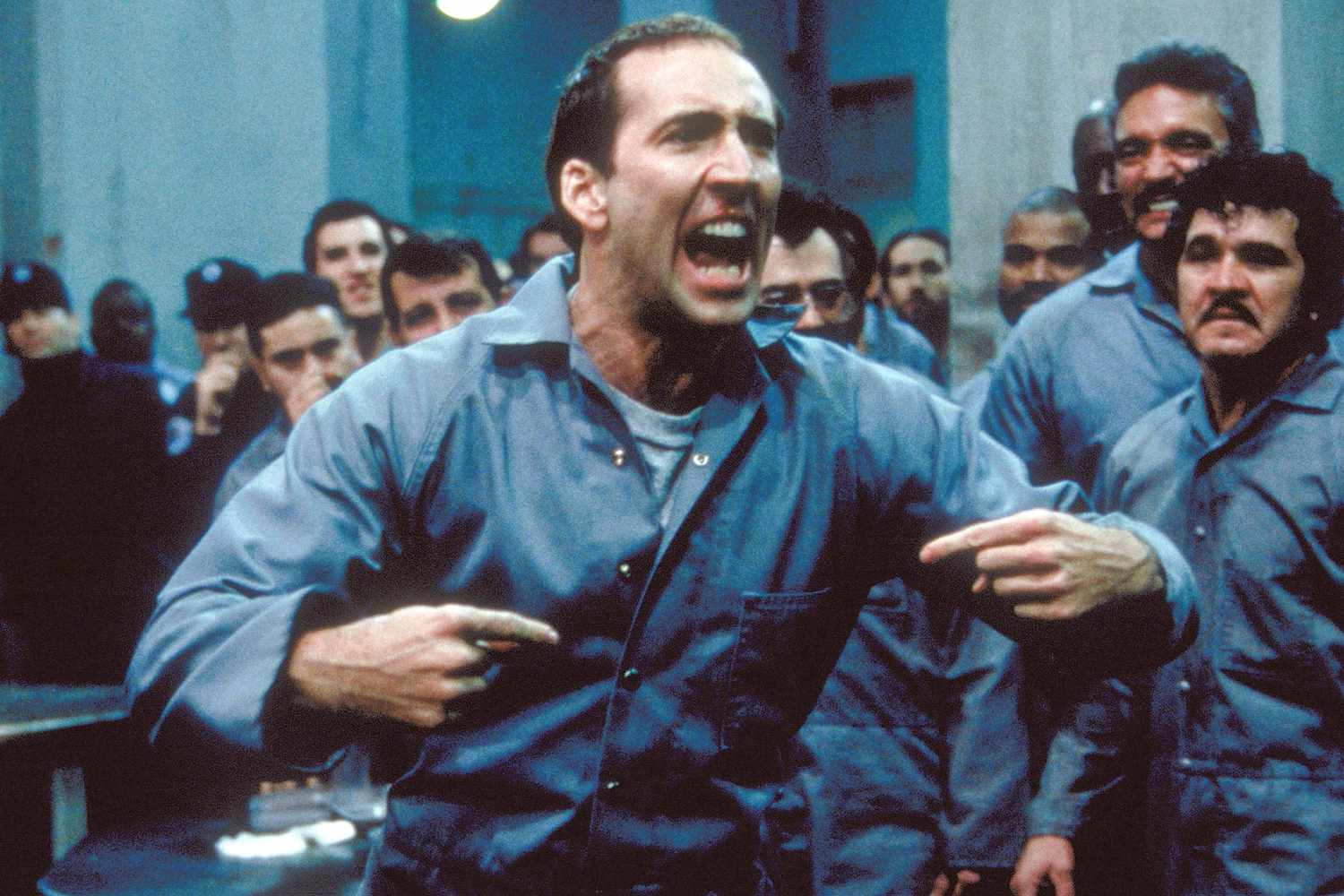
Castor Troy makes his entrance firing guns in a church while opera plays, wearing a white suit, and grinning like a man who has decided villainy is a performance art. Cage plays him with a theatrical menace that’s electric to watch, and then, once the face-swap happens, he has to play John Travolta playing Castor Troy, which requires a completely different gear. The scene where Cage-as-Archer first wakes up in Castor’s body and has to process what’s happened is played with a quiet horror that anchors everything that follows. John Woo’s operatic shootouts give the film its pulse, but the dual-character acrobatics are the main event. It remains the most deliriously fun action performance of the entire decade.
1. Leaving Las Vegas (1995)
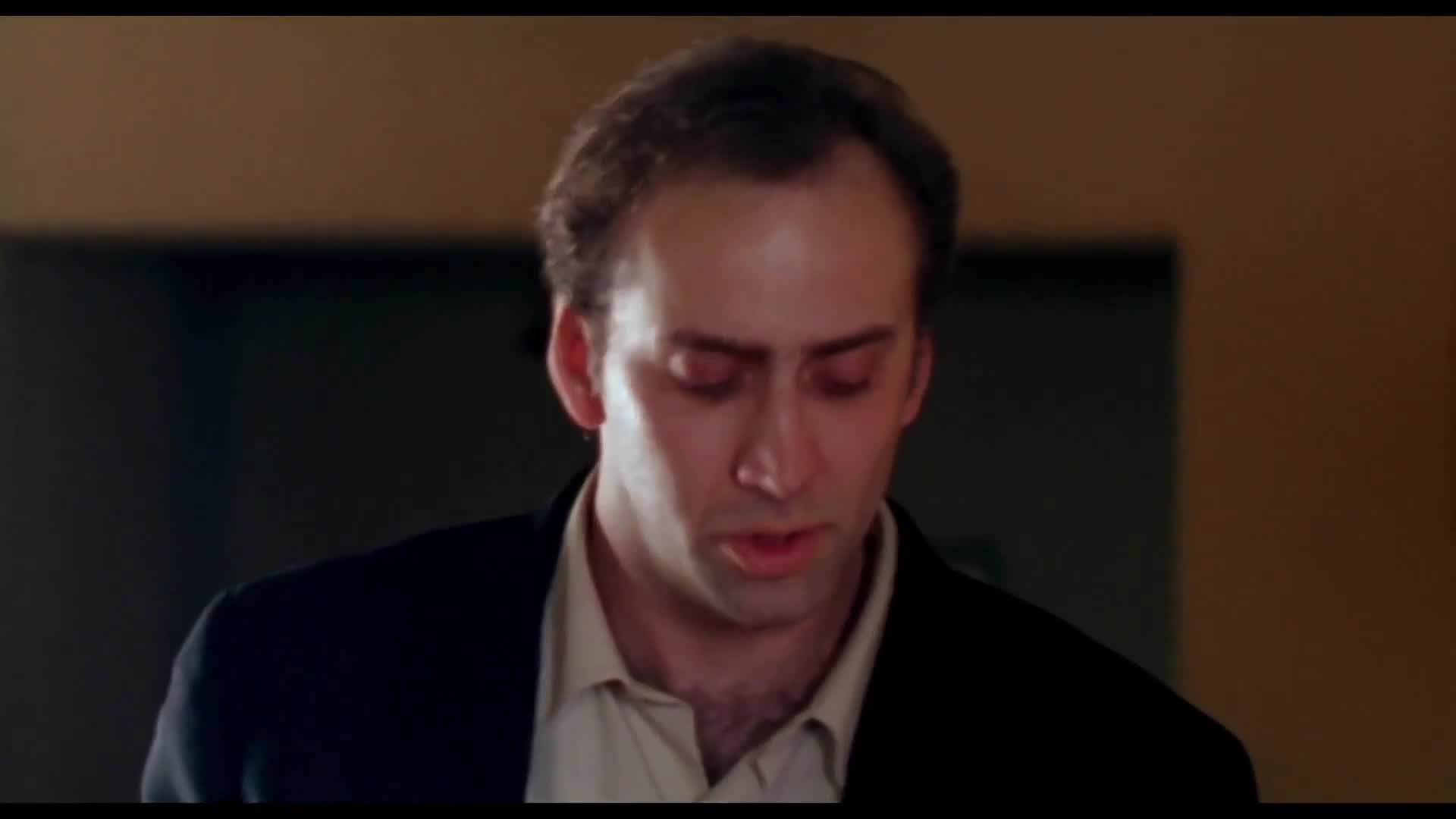
Ben Sanderson has already decided to die when the film begins. He’s not in crisis; he’s in resolution. He’s going to Las Vegas to drink himself to death, and his peace with that decision is somehow more disturbing than any amount of on-screen despair. Cage plays that acceptance with terrifying authenticity, finding the dark humor in Ben’s situation without ever softening what it actually is. The scene where he explains his plan to Elisabeth Shue’s Sera with cheerful clarity is the film’s gut-punch center: you laugh, then feel terrible for laughing, then realize that’s exactly the emotional space Ben inhabits. Mike Figgis shot the whole thing on 16mm with a jazz score and a tiny budget, and Cage responded with a performance that had nowhere to hide. He took home the Academy Award for Best Actor, silencing every skeptic who’d questioned whether he belonged among the greats. Thirty years later, Ben Sanderson still feels like the truest thing he’s ever put on screen.
Nicolas Cage has made well over a hundred films, and the conversation around him has shifted more dramatically than almost any other actor of his generation, from indie darling to Oscar winner to blockbuster star to punchline to cult icon to late-career critical favorite. Through all of it, he never stopped swinging. The performances on this list span 38 years and a dozen genres, and they all share one thing: you can feel him fully present, refusing to coast.

Written by Miranda Davies
Film & TV Enthusiast
Hi, my name is Miranda Davies, and I’ve loved film and television all of my life. Some of my earliest memories involve me and family or friends catching the latest movies, or reclining on the couch to catch some awesome television, and I want to share that passion with fellow fans like you! The best way to celebrate film and television is to chat about it with people as equally passionate as you, so this website will be dedicated to being a hub for those that want to chat about their obsessions in a safe and welcoming environment that is fun to visit!
More about the author