
Top 15 Robert De Niro Movies, Ranked
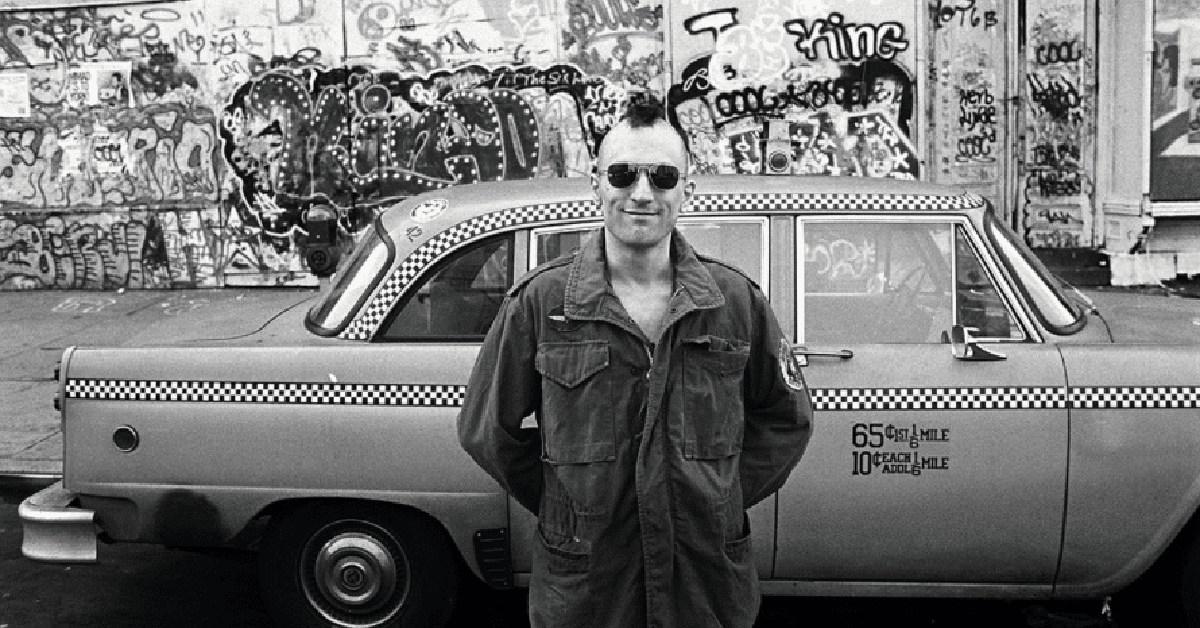
“You talkin’ to me?” Four words. No one else in the room. And somehow, one of the most electric moments in the history of American cinema. That mirror scene from Taxi Driver is the shorthand for everything Robert De Niro represents: total commitment, zero safety net, and a willingness to go somewhere most actors won’t even look. At TV Hulk, we ranked these fifteen performances by how completely De Niro disappeared into each role — the physical choices, the accent work, the moments where you stop seeing the actor and only see the character. This list spans five decades of work, from raw early breakthroughs to late-career revelations.
15. The Untouchables (1987)
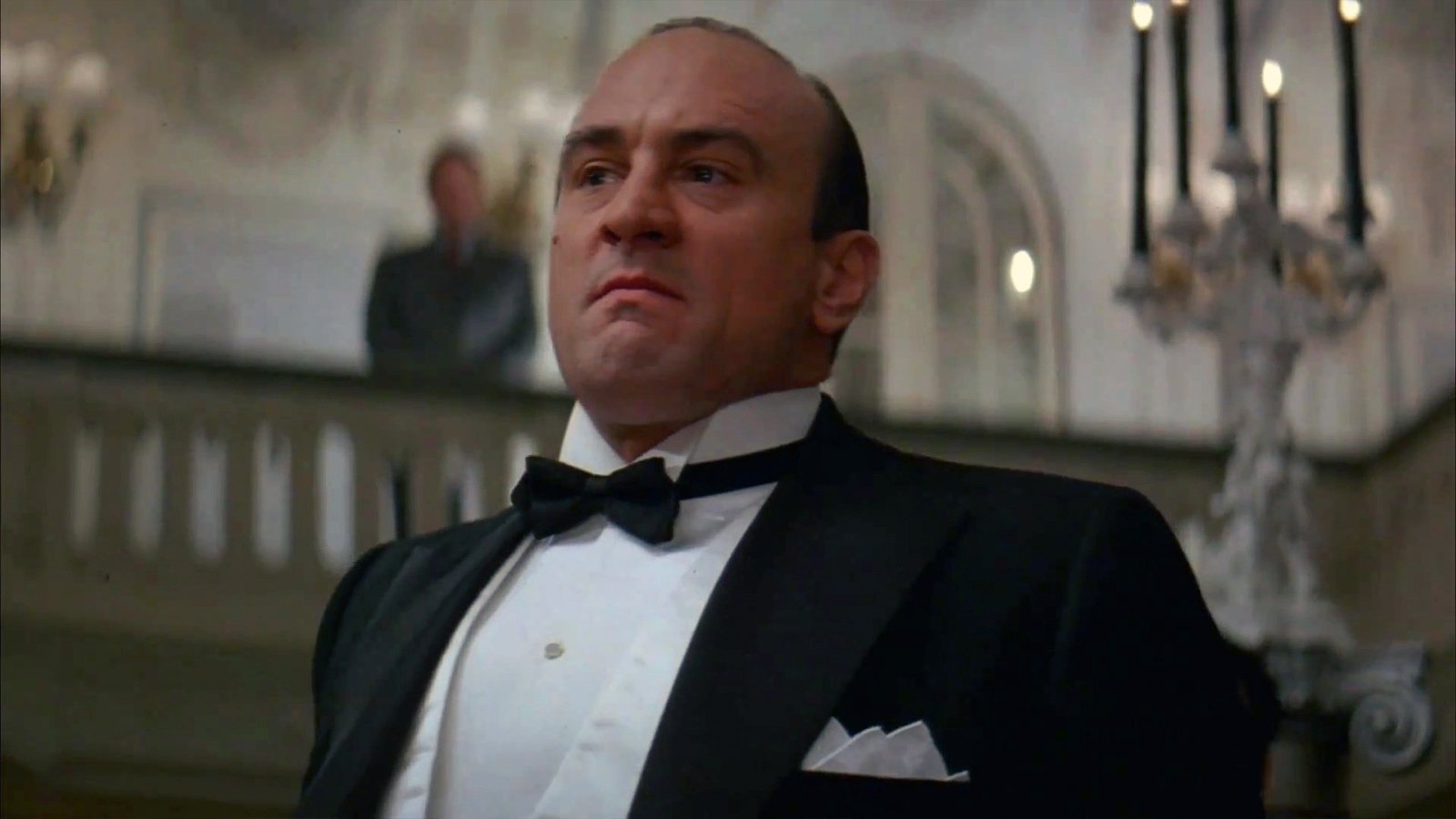
Al Capone doesn’t need much screen time to own a movie, and De Niro proves it here. Arriving in what is technically a supporting role in Brian De Palma’s Prohibition-era thriller, he gives Capone a theatrical grandeur that makes Kevin Costner’s heroic Eliot Ness feel like he’s fighting something genuinely dangerous. The baseball bat dinner scene is the obvious highlight: Capone circles his own men with the cheerful warmth of a host, then suddenly strikes a man down with a baseball bat without losing his smile. It’s grotesque and riveting. His courtroom meltdown later in the film hits differently because of that earlier scene — you already know what’s underneath the charm. For a performance built largely on two or three big moments, it lands every single one.
14. The Irishman (2019)
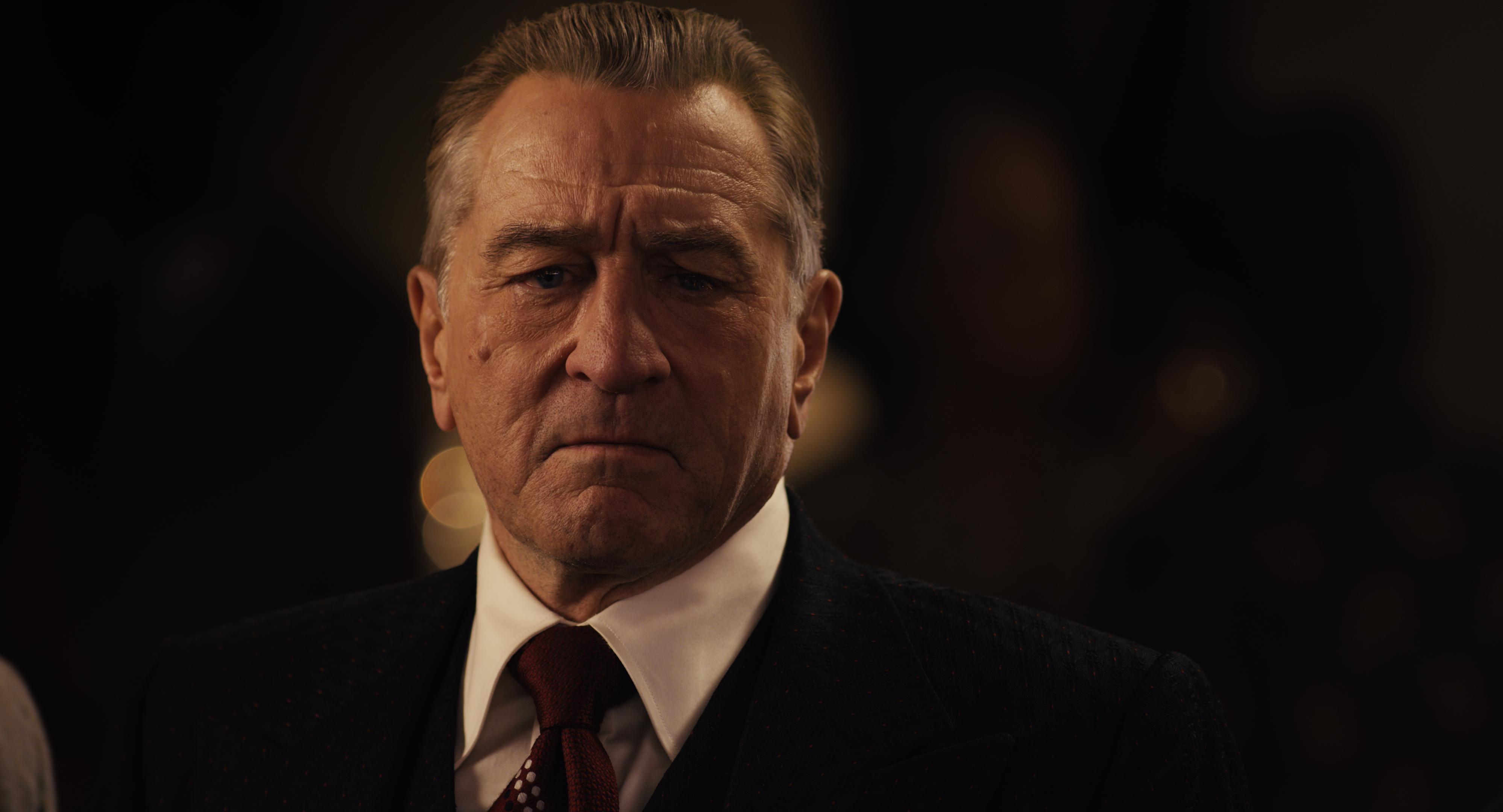
Frank Sheeran is not the kind of gangster De Niro usually plays. There’s no explosion here, no sudden violence that redefines a scene. What he does with Frank is quieter and, in some ways, harder to watch. The film follows a hitman looking back on a life of loyalty to men who are all dead now, and De Niro plays that reckoning with an almost unbearable stillness. The scene where Frank drives away after killing Jimmy Hoffa, no music, no catharsis, just a man staring at a road, says more about guilt and self-deception than most films manage in two hours. It’s a performance built on what Frank refuses to feel, and that restraint is its own kind of devastation.
13. Killers of the Flower Moon (2023)
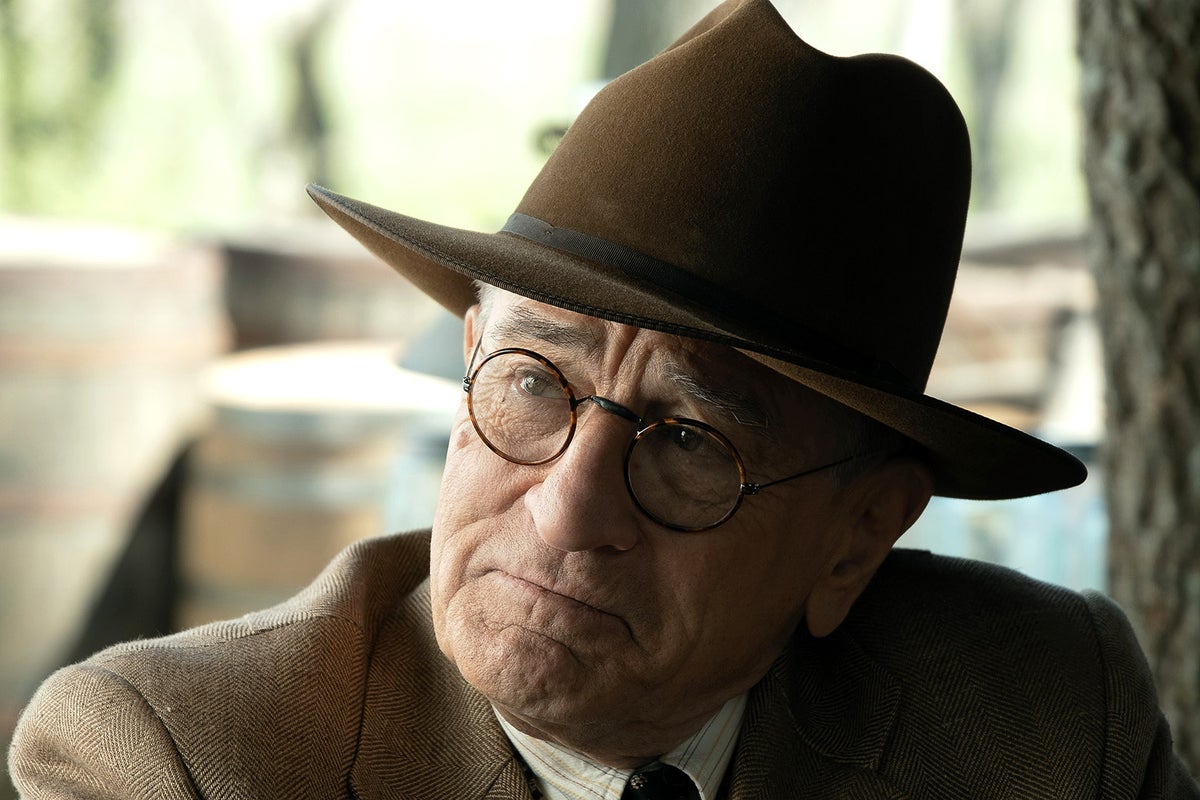
William Hale is the most frightening thing De Niro has done in years, and the reason it works is that Hale never seems frightening at first. He plays the cattle baron and community patriarch with genuine warmth, the kind of man who claps you on the shoulder and means it, right up until the moment his self-serving mythology starts to crack. The scene where Hale sits across from investigators and recalibrates his story in real time, adjusting his folksy sincerity like a dial, is quietly chilling. Scorsese’s film asked De Niro to make evil look comfortable, and he does it most completely in that moment when Hale’s smile stays perfectly fixed while his eyes do something else entirely.
12. Midnight Run (1988)
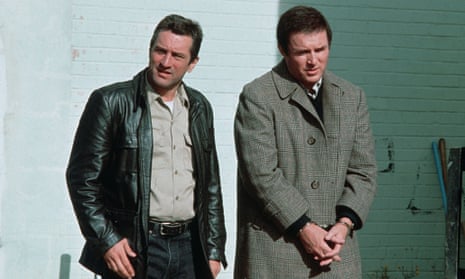
Most people knew De Niro could be terrifying. Fewer people knew he could be this funny. Jack Walsh is a broke, exhausted bounty hunter who has to transport a mild-mannered accountant across the country, and the entire film runs on the friction between De Niro’s deadpan irritation and Charles Grodin’s relentless, cheerful needling. The comedy works because De Niro plays it completely straight. Walsh is not in on the joke, and that commitment to the character’s frustration is exactly what makes every scene land. The timing here is as precise as anything in his dramatic work, just deployed in a completely different direction, and it’s genuinely rare to find a dramatic actor who can anchor that kind of deadpan comedy without ever winking at the audience.
11. Silver Linings Playbook (2012)
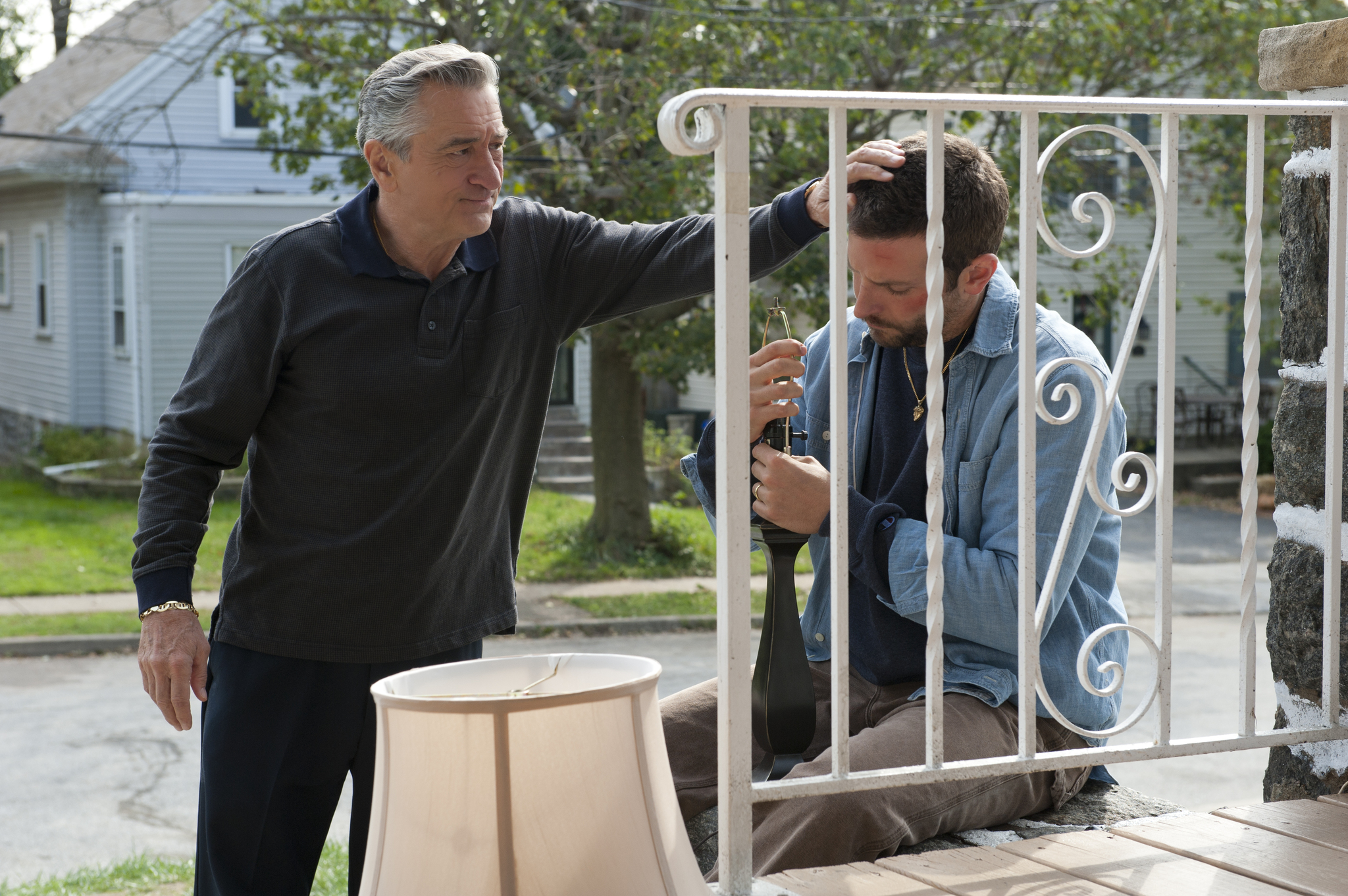
Pat Solitano Sr. could have been a stock character: the overbearing sports dad, superstitious and loud, comic relief at the edges of a younger generation’s story. De Niro doesn’t let that happen. He earned an Oscar nomination for the role, and it was well-deserved, because he finds the real anxiety underneath Pat Sr.’s Eagles obsession: a father who doesn’t know how to reach his son and has decided that football parlay bets are the closest thing to a shared language they have left. The scene where he finally opens up to his son on the couch, voice dropping, all the bluster gone, is the emotional center of the film. It’s a late-career performance that reminded audiences he still had things to surprise them with.
10. Mean Streets (1973)
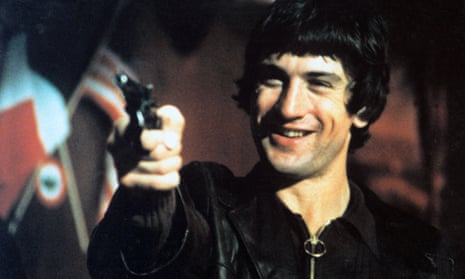
Johnny Boy is where the whole thing started. De Niro’s performance as the reckless, self-destructive Johnny Boy in Scorsese’s third feature film is so electrically alive that it practically rewrites the film around itself every time he appears. He pinballs through Little Italy with a grin and a death wish, borrowing money he’ll never repay and picking fights he can’t win, and De Niro plays him not as a cautionary tale but as someone genuinely, dangerously in love with the chaos he creates. The rooftop scene, where Johnny fires a pistol into the night just because he can, captures something about the character that no amount of dialogue could. Watching this performance, you can see the raw material that would fuel the next decade of his career.
9. The King of Comedy (1983)
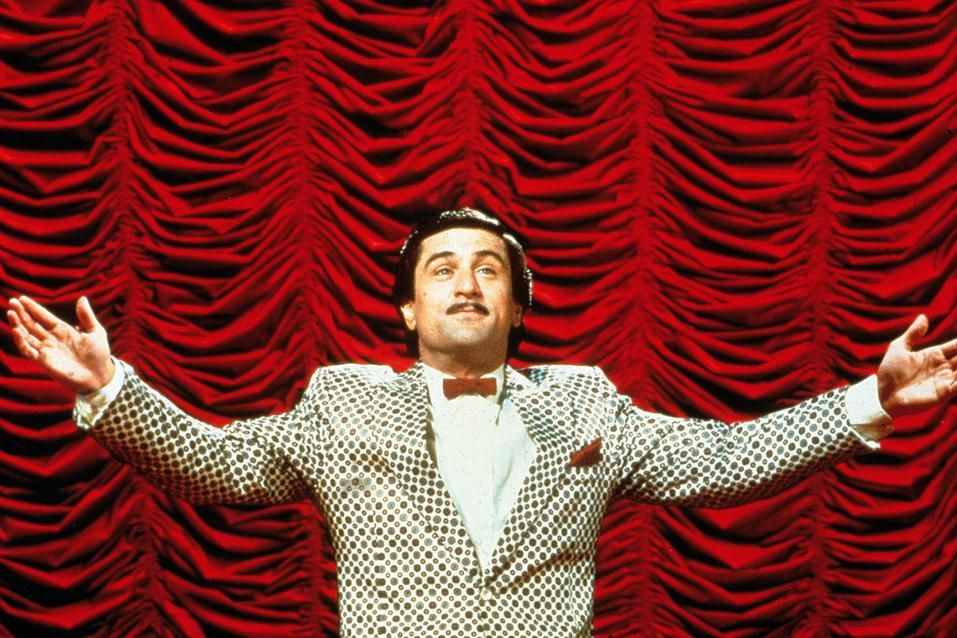
Rupert Pupkin is De Niro at his most uncomfortable to watch, and that’s a deliberate choice. The character is a delusional aspiring comedian who kidnaps a late-night talk show host to force his way onto television, and De Niro plays him with a cringe-inducing sincerity that never tips into self-awareness. There’s no moment where Rupert understands how he looks to other people, and that blind spot is the whole performance. The film bombed on release and has spent the decades since becoming a touchstone for anyone who wants to understand how celebrity obsession curdles into something dangerous. The basement fantasy sequences, where Rupert rehearses his imaginary friendship with the host, are some of the most quietly unsettling scenes De Niro has ever filmed.
8. Once Upon a Time in America (1984)
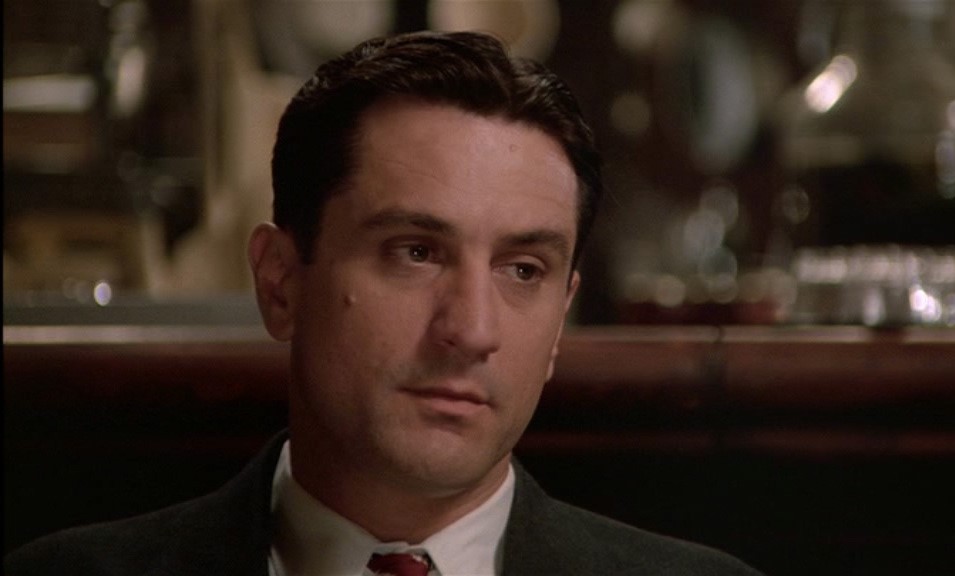
Sergio Leone’s four-hour epic asks De Niro to play David “Noodles” Aaronson across roughly fifty years of his life, from a scrappy young gangster on the Lower East Side to a guilt-hollowed old man returning to face what he’s done. What’s remarkable is how he handles the transition: the older Noodles doesn’t perform his grief, he just carries it, and De Niro makes that weight feel completely physical. The film’s final shot, where Noodles retreats into an opium den with a smile that might be peace or might be madness, is the kind of ending that only works if you believe every step that led there. That smile is doing so much work — it could be relief, delusion, or a man finally letting go of fifty years of guilt, and De Niro leaves it beautifully, deliberately unresolved.
7. Cape Fear (1991)
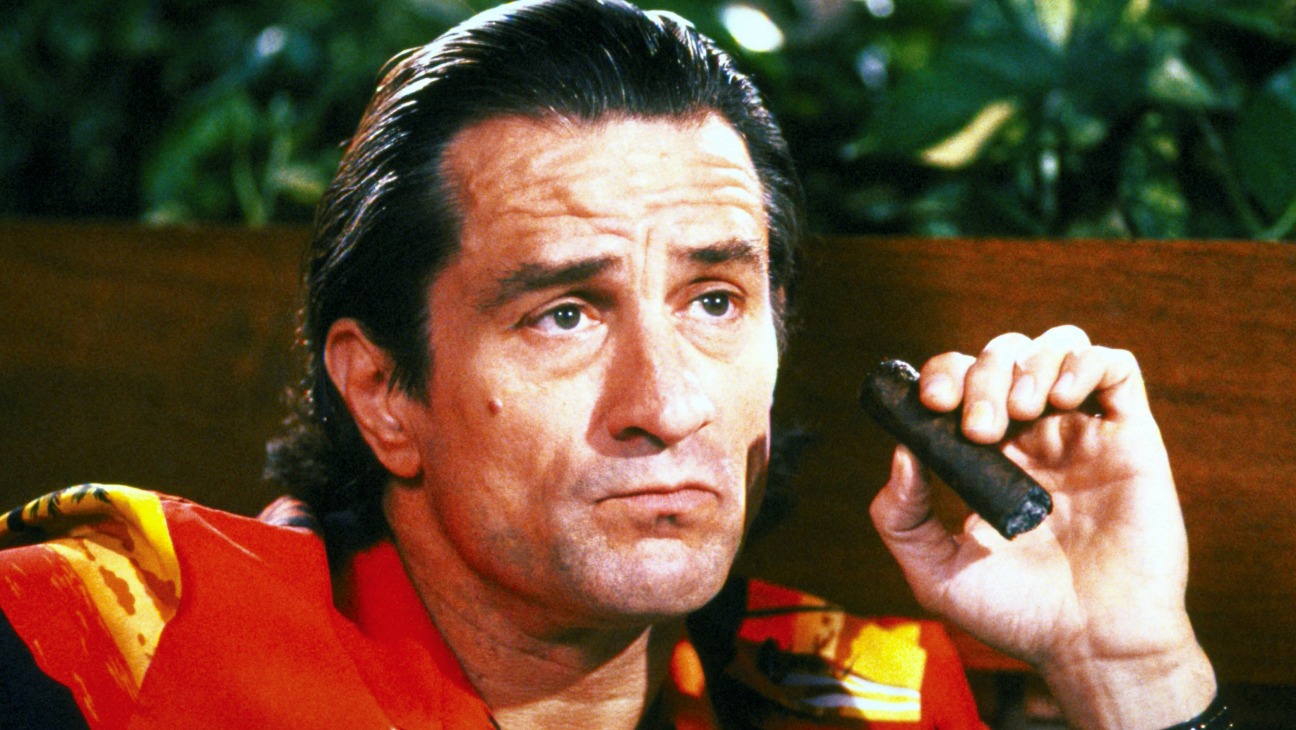
Max Cady is a villain who could easily tip into parody, what with the tattoos, the cigars, the biblical quotations, and De Niro refuses to let that happen. He earned an Oscar nomination for the role, and the preparation shows: he reportedly had his teeth deliberately ground down and worked extensively with a dialect coach to give Cady a Southern cadence that feels lived-in rather than theatrical. There’s a moment in the courthouse sequence that establishes the character’s terrifying patience in a single image, and it lands with the kind of quiet dread that stays with you long after the film ends. When Cady finally speaks in that slow, unhurried drawl, you can almost feel the ground-down enamel behind every syllable, and that physical commitment is exactly what stops the character from ever feeling like a costume.
6. Heat (1995)
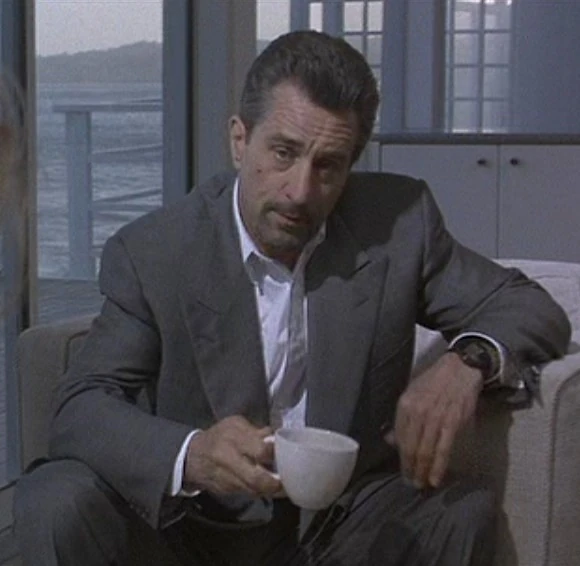
Neil McCauley lives by a single rule: don’t keep anything in your life that you can’t walk away from in thirty seconds. De Niro plays that philosophy not as coldness but as discipline, and watching Neil maintain it, even as the film slowly chips away at his resolve, gives Heat its moral weight. The diner scene between De Niro and Pacino, the first time the two actors shared a screen, is everything audiences hoped for: two men who understand each other completely, speaking plainly across a table, knowing exactly how this ends. De Niro’s stillness is its own performance; he lets Pacino fill the air and answers with economy, and that contrast is precisely what makes the scene crackle.
5. The Deer Hunter (1978)
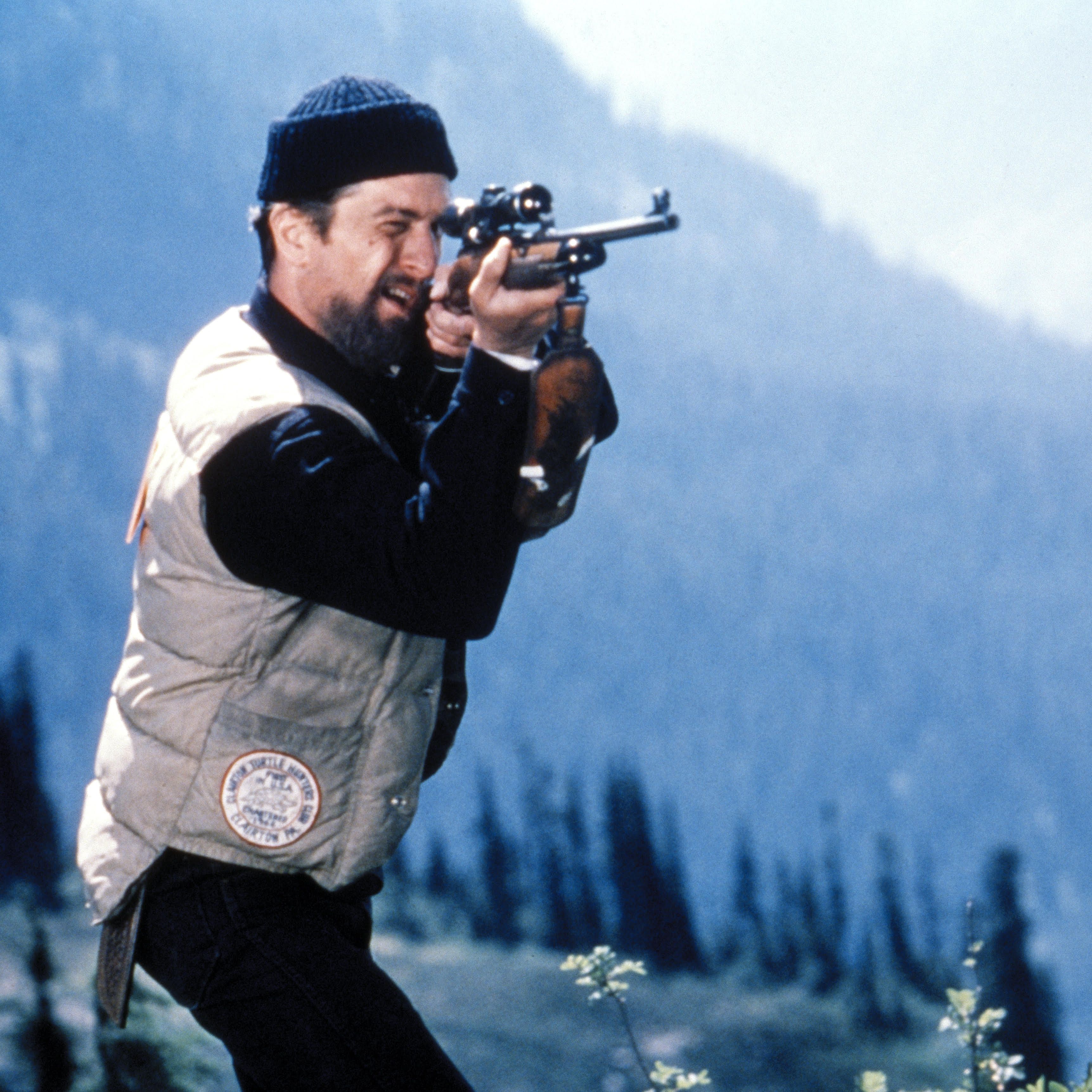
Michael Vronsky goes to Vietnam as the anchor of his friend group, the one everyone leans on, and De Niro plays that steadiness with a quiet authority that makes what comes after so devastating. The Russian roulette sequences are where the performance really digs in, with De Niro putting you through every millisecond of Michael’s terror and determination without ever letting the character fully break. But the scene that lingers is when he returns home and can’t bring himself to walk into his own welcome party, standing outside in the cold before slipping away — De Niro barely moves, barely speaks, and somehow that stillness tells you everything about a man who came back from the war but left something irretrievable on the other side of it.
4. Goodfellas (1990)
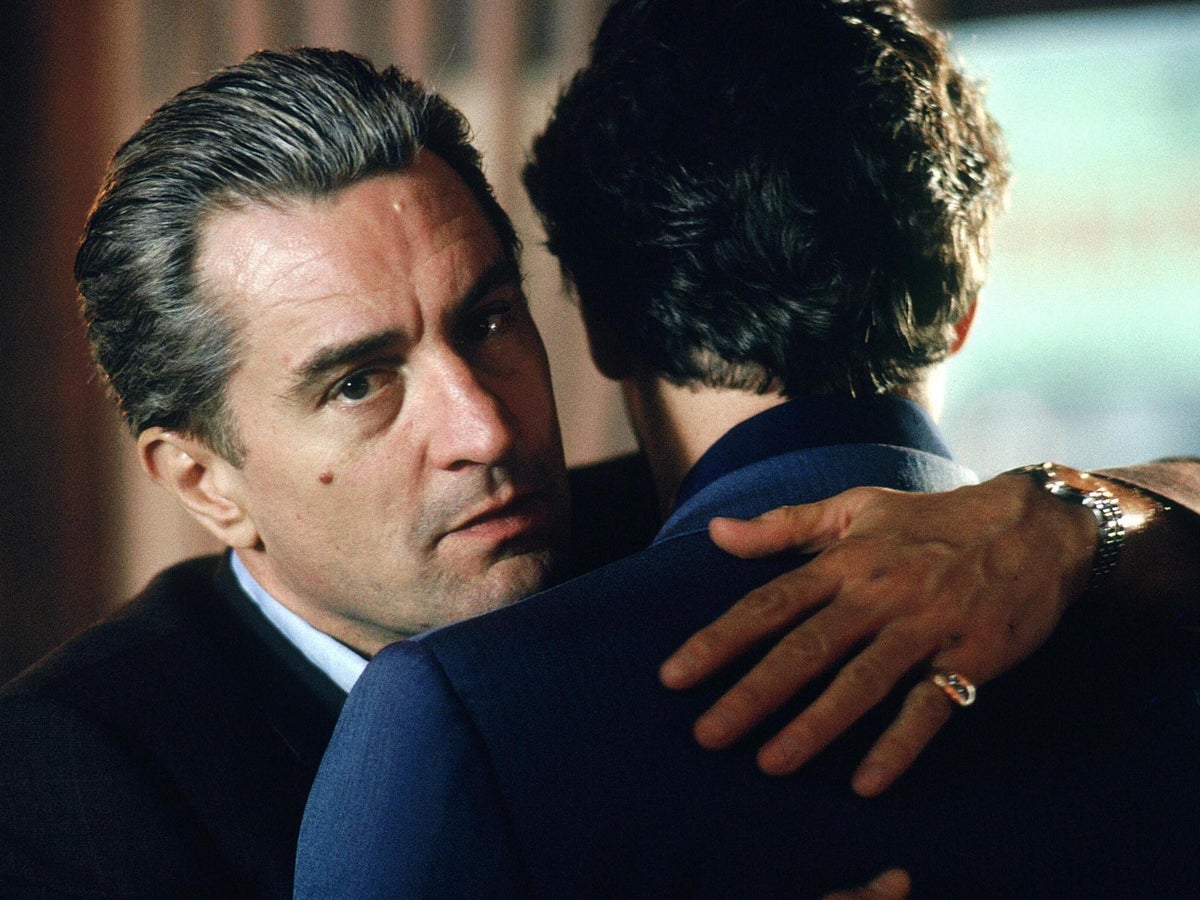
Jimmy Conway isn’t the protagonist of Goodfellas, but he’s the character who determines whether everyone else lives or dies, and De Niro plays that power with terrifying casualness. The moment where Jimmy maneuvers Karen Hill toward a trap he’s clearly arranged is one of the great acting moments in 1990s crime cinema: De Niro barely moves, but you can read every calculation behind his eyes. What makes Jimmy so chilling is that his murderous paranoia after the Lufthansa heist doesn’t feel like a character shift. De Niro has been laying the groundwork all along, and the sudden violence feels like the logical conclusion of a man you’ve been watching carefully. It’s a performance that rewards close attention, and the years since have only confirmed how much is happening beneath the surface.
3. The Godfather Part II (1974)
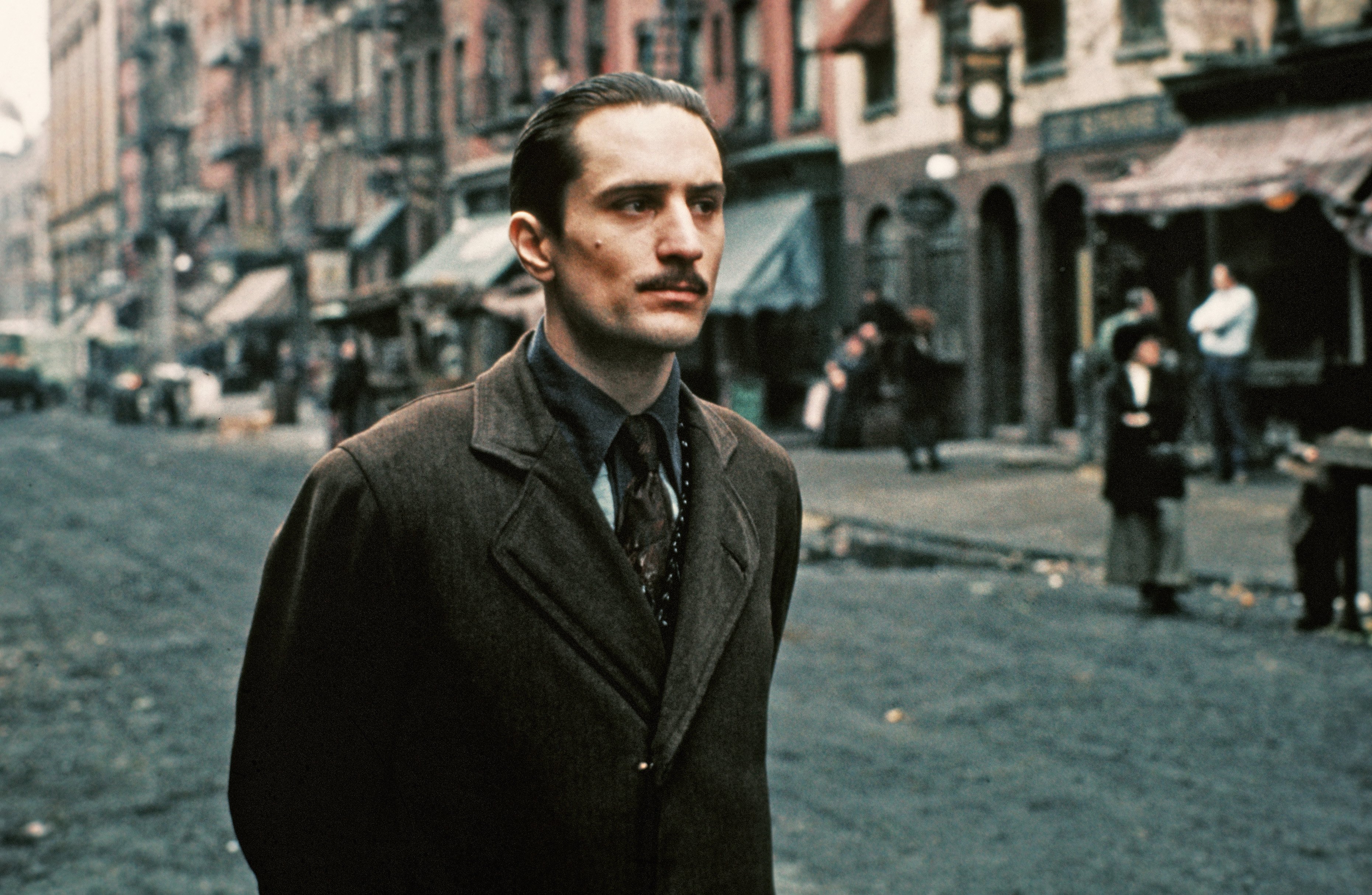
The degree of difficulty here is almost unfair to contemplate. De Niro was asked to play a younger version of a character Marlon Brando had already made immortal, do it largely in Italian, and render it as genuine origin rather than imitation. He won the Academy Award for Best Supporting Actor, and it remains one of the most deserved wins in that category’s history. Young Vito Corleone moves through his scenes with deliberate, watchful patience. De Niro modeled the physicality on Brando’s performance, finding the same stillness and translating it into a younger body. The Fanucci rooftop scene earns its place in film history not through explosive violence but through its opposite — De Niro barely speaks, barely moves, and yet the inevitability of what’s coming hangs over every quiet step through those shadows.
2. Raging Bull (1980)
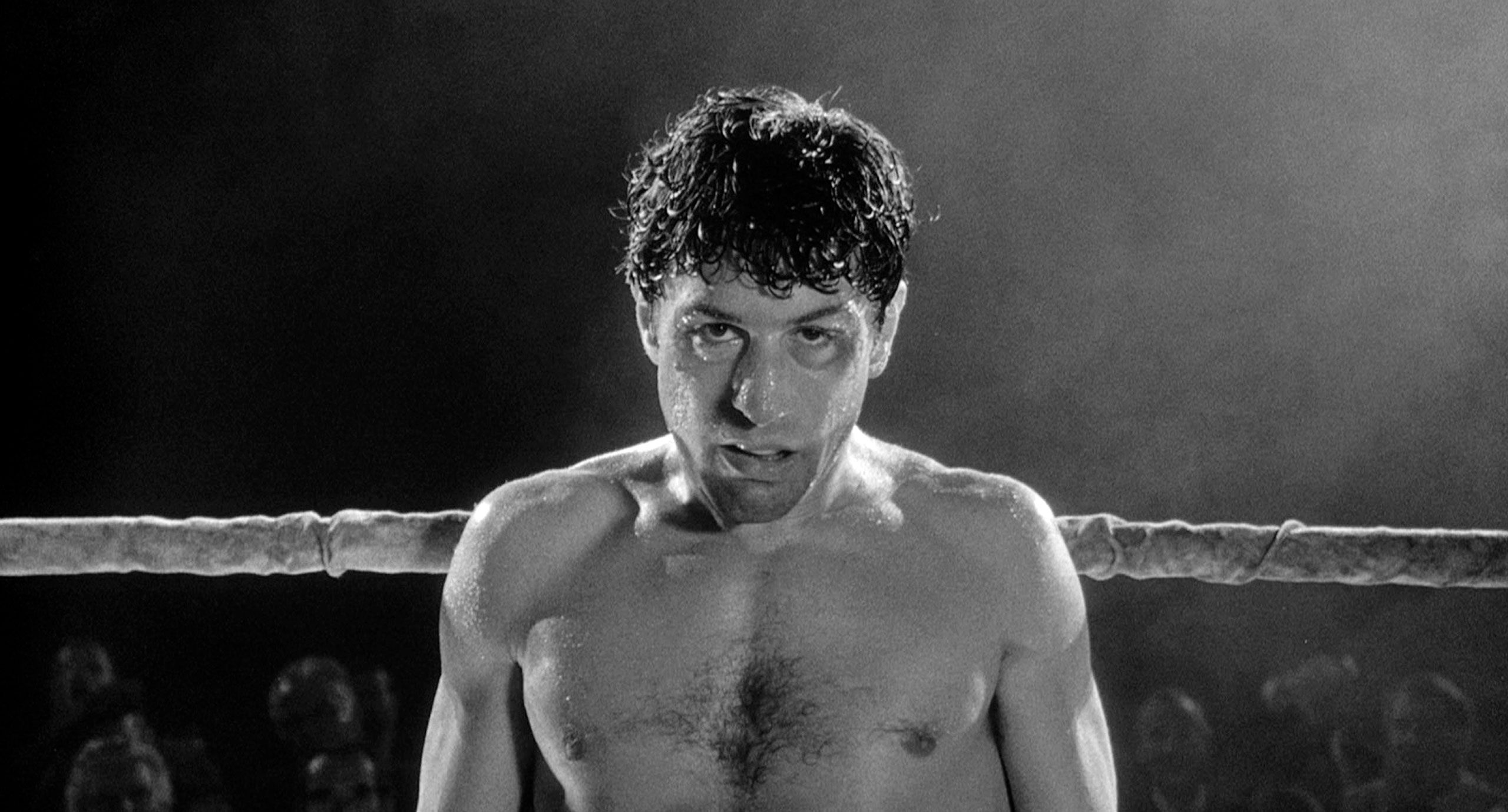
Jake LaMotta is a man at war with everyone around him and most of all with himself, and De Niro commits to that self-destruction so completely that the film becomes almost painful to watch. He won the Academy Award for Best Actor, and the physical transformation, gaining roughly sixty pounds to play the older, bloated LaMotta, remains one of the most discussed acts of preparation in Hollywood history. But the weight is almost beside the point compared to what De Niro does with Jake’s interior life: the jealousy that poisons every relationship, the violence that is somehow both calculated and out of control, the desperate need for punishment running beneath everything. The scene where LaMotta paces his prison cell and beats his head and fists against the concrete wall, howling into the dark, is as raw as American screen acting gets.
1. Taxi Driver (1976)
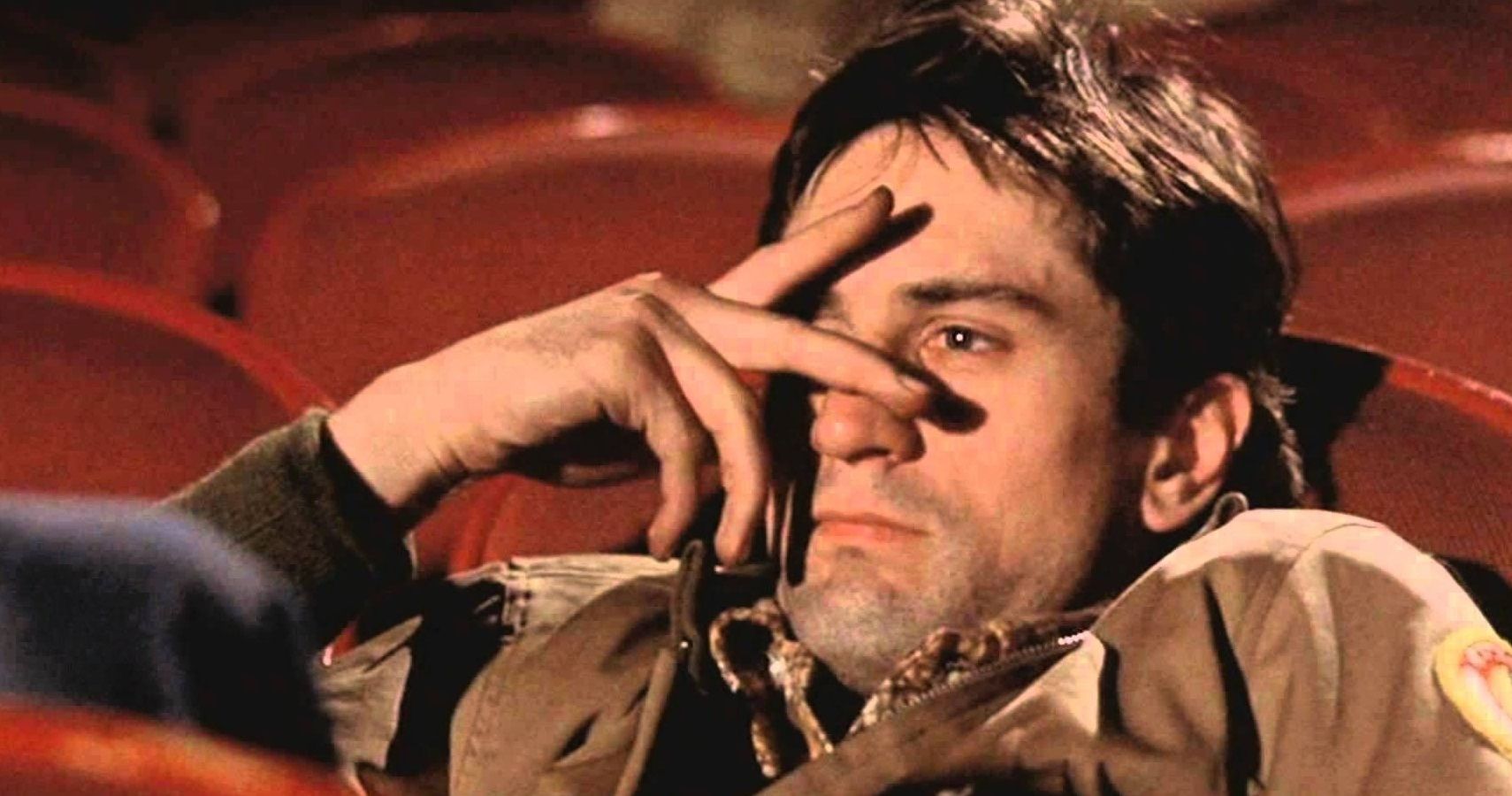
Travis Bickle is the role everything else in De Niro’s career gets measured against. He plays a Vietnam veteran turned insomniac cab driver moving through a New York City that feels like the inside of a fever dream, and the performance works because De Niro never lets Travis become a symbol before he’s a person. The famous mirror scene, “You talkin’ to me?”, was largely improvised, and it captures something essential: a man so isolated he’s rehearsing confrontations with his own reflection. Scorsese’s film received major international acclaim, and De Niro earned a Best Actor nomination at the Academy Awards, but the immediate recognition it received has only compounded over time. Nearly fifty years later, what keeps Travis Bickle alive is the specificity De Niro brought to every scene: the way he holds his body, the flat affect that occasionally cracks into something frightening, the genuine tenderness toward Iris that lends his vigilante logic a tragic coherence.
Robert De Niro’s career spans so many tones and genres that it’s easy to forget how rare that is. Most actors find a lane. De Niro found a method, total immersion, physical transformation, an almost reckless willingness to be unlikable, and applied it to everything from Prohibition gangsters to delusional comedians to grieving fathers. The through line across fifty years of work isn’t a type. It’s a standard.

Written by Miranda Davies
Film & TV Enthusiast
Hi, my name is Miranda Davies, and I’ve loved film and television all of my life. Some of my earliest memories involve me and family or friends catching the latest movies, or reclining on the couch to catch some awesome television, and I want to share that passion with fellow fans like you! The best way to celebrate film and television is to chat about it with people as equally passionate as you, so this website will be dedicated to being a hub for those that want to chat about their obsessions in a safe and welcoming environment that is fun to visit!
More about the author