
Top 15 Sam Rockwell Movies, Ranked
Sam Rockwell has built an entire career out of making you forget you’re watching an actor. He disappears into characters so completely that you stop tracking his performance and start believing the person. That’s the standard we used at TV Hulk to put this list together: not box office numbers or prestige, but how fully Rockwell inhabited each role, how specific and lived-in each character felt, and how long the performance stuck with us after the credits rolled. From cult comedies to quiet tragedies to a lunar base with no other human beings in sight, here are his fifteen best.
15. Snow Angels (2007)
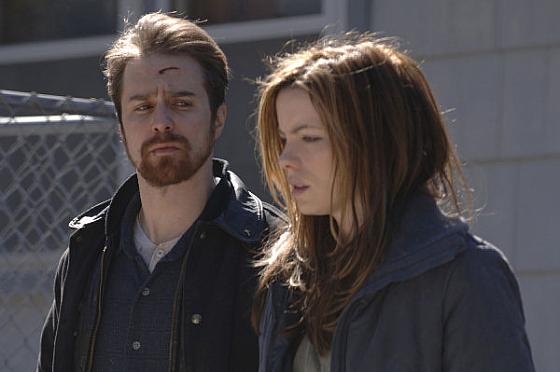
Glenn is the underrated pick that Rockwell fans know about and everyone else should seek out. He plays a man coming apart at the seams: alcoholic, desperate, and capable of something terrible. What makes the performance so unsettling is how ordinary Glenn feels. There’s no scenery-chewing, no big breakdown moment designed to announce itself. Rockwell builds the deterioration gradually through small choices: the way Glenn holds a beer like it’s the only thing keeping him upright, the forced cheerfulness that slips just a fraction too often. By the time the film reaches its devastating ending, all those quiet accumulated tics and half-smiles have made Glenn feel so real that what he does lands like something you actually witnessed rather than watched — and Rockwell never once lets you see it coming.
14. Iron Man 2 (2010)
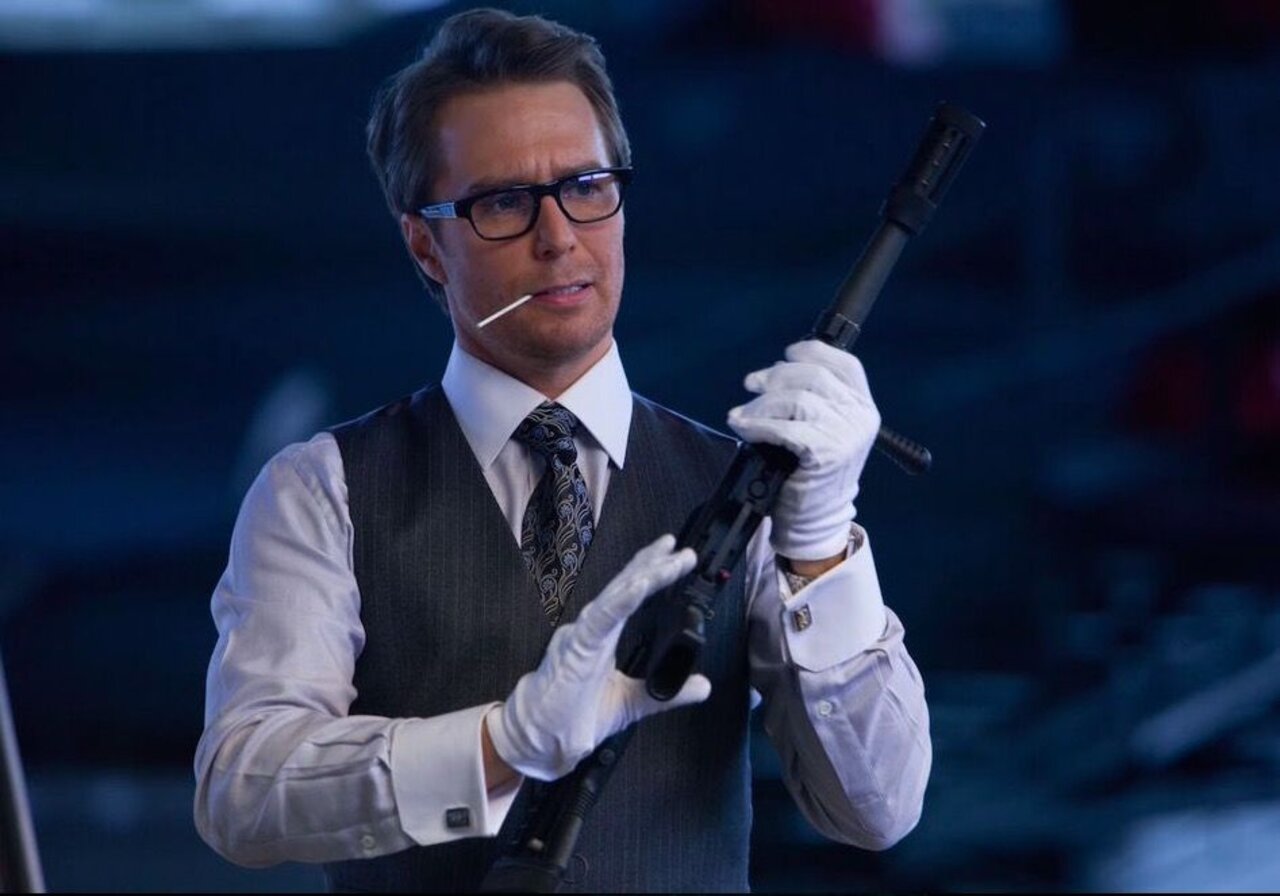
Justin Hammer arrives on screen doing a little dance, and that tells you everything you need to know about how Rockwell is going to play this. Hammer is a weapons contractor who desperately wants to be Tony Stark and has absolutely none of the talent or charm to pull it off, and Rockwell leans into that insecurity with obvious relish. The weapons presentation scene, where Hammer rattles off military hardware names with the enthusiasm of a man auditioning for a job he’s already convinced he has, is genuinely funny in a way that a lot of MCU villain work isn’t. Over $623 million at the global box office means a huge number of people have seen this performance, and it holds up as one of the franchise’s more entertaining antagonists from that era.
13. The Bad Guys (2022)
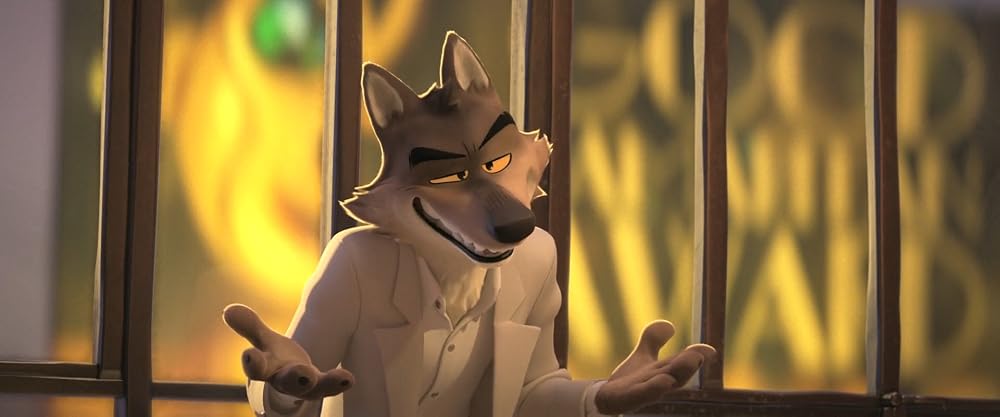
Mr. Wolf is a con artist who has spent his whole life performing villainy, and Rockwell voices him with a loose, cool swagger that makes the character’s eventual identity crisis feel earned rather than sentimental. The key is the self-awareness baked into every line reading: Wolf knows he’s charming, knows he’s working you, and Rockwell lets just enough genuine confusion bleed through when Wolf starts wondering if the good-guy act might not be an act anymore. That moment when Wolf helps an old lady and his tail wags involuntarily, and you hear the quiet panic in his voice as he processes it, is a small piece of vocal comedy that lands perfectly. The film earned around $250 million worldwide, and Wolf’s charisma is a big reason families kept recommending it to each other.
12. Conviction (2010)
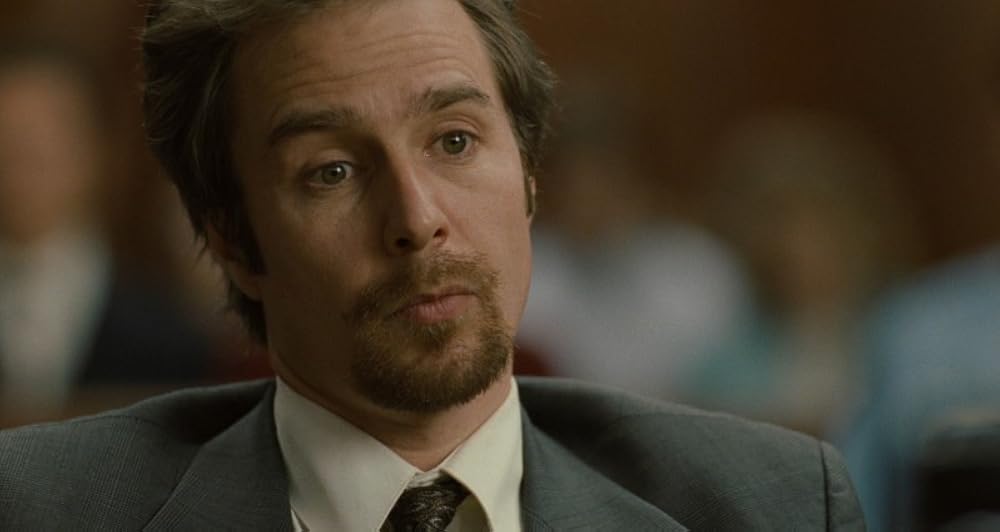
Rather than playing Kenny Waters as a symbol of systemic injustice, Rockwell makes him a specific, sometimes difficult person. Kenny is funny in a gallows-humor way, easily frustrated, and visibly worn down by years of wrongful imprisonment in ways that feel accumulated rather than performed. There’s a scene where he’s on the phone with his sister Betty Anne (Hilary Swank) and he cycles through gratitude, bitterness, and dark comedy inside about thirty seconds — a reminder of how much Rockwell can do without calling attention to the technique. His Kenny is the emotional anchor the story needs, and it’s easy to see why he and Swank were singled out as the reason the film holds together.
11. The Hitchhiker’s Guide to the Galaxy (2005)
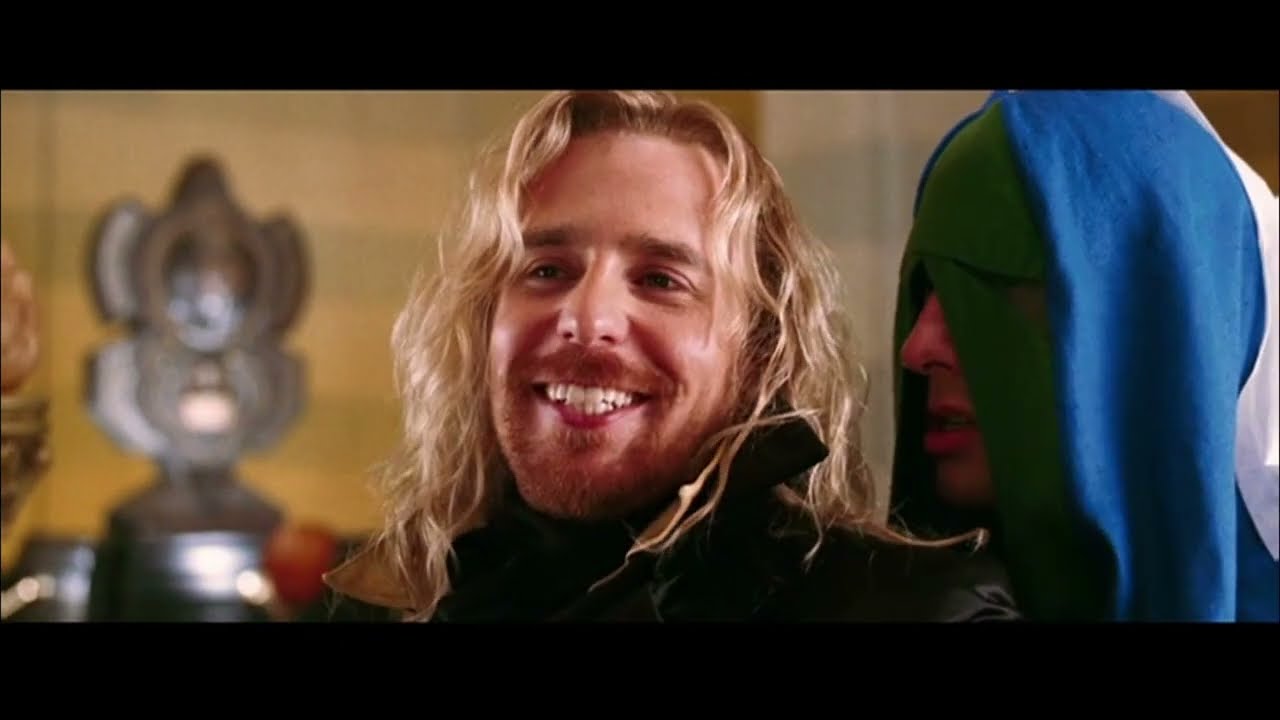
Zaphod Beeblebrox is two-headed, ego-inflated, and absolutely convinced the universe exists primarily for his entertainment. Rockwell plays him as a man so thoroughly in love with himself that the joke sustains across the entire runtime. What’s impressive is the physical commitment: the prosthetic second head could have been a distraction, but Rockwell incorporates it into Zaphod’s body language so naturally that it starts to feel like just another extension of his outsized personality. For fans of Douglas Adams’s source material who had spent years imagining how anyone could possibly cast this role, the performance was a genuine relief. The film has its wobbles, but Zaphod is never one of them.
10. Matchstick Men (2003)
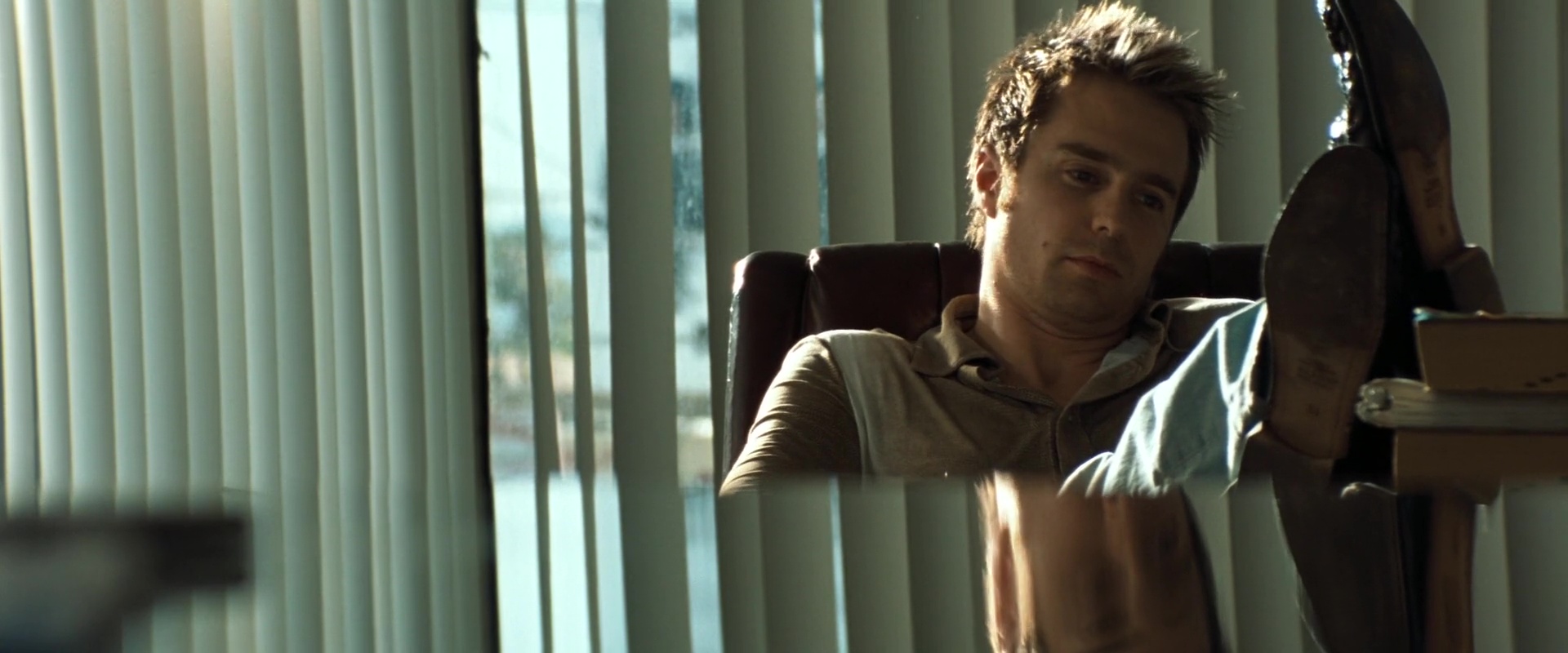
Frank Mercer is the slicker, more reckless half of a con-man partnership, and Rockwell plays him with a loose, improvisational energy that makes the film’s eventual twists land as real surprises in retrospect. He’s so casually charming in every scene that you keep extending him goodwill you probably shouldn’t, which is exactly the point. There’s a sequence where Frank runs a short con on a stranger and you can see him adjusting the pitch in real time, reading the mark, recalibrating, and Rockwell makes it look effortless in a way that’s actually pretty hard to pull off. Ridley Scott’s most underrated film of that decade benefits enormously from having him as the unpredictable variable, and Frank’s breezy, unforced charm is what makes it so easy to miss exactly how much he’s playing you.
9. Jojo Rabbit (2019)
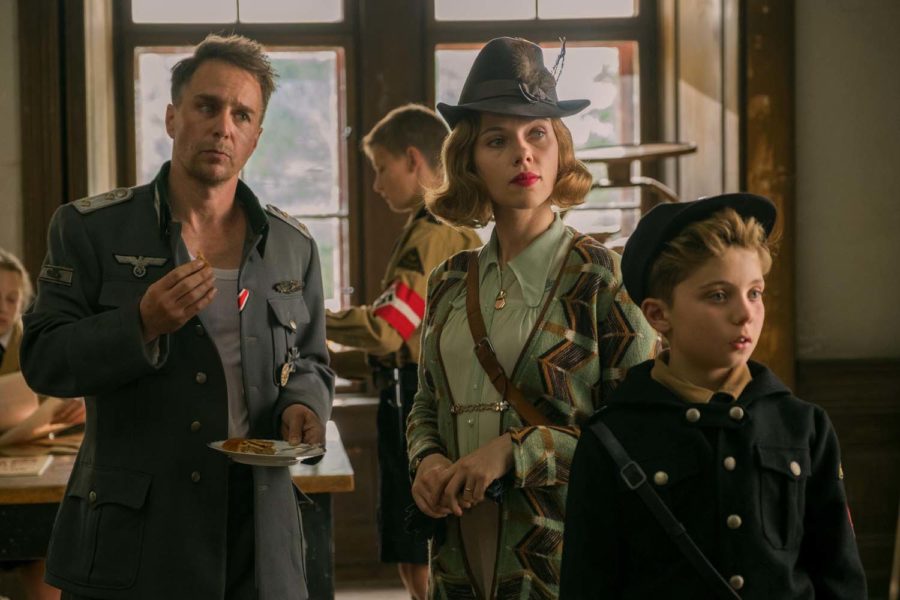
Captain Klenzendorf starts as a punchline: a disgraced officer assigned to train a regiment of children, preening and self-important in a uniform he’s no longer earned. Rockwell plays the comedy of that setup with perfect timing, and it would be enough if the character stayed there. Klenzendorf’s arc takes a harder turn in the final act, though. The closing scene, where Klenzendorf steps in front of the soldiers and identifies Jojo as his own, is almost wordless, and Rockwell sells the whole weight of it through a slight lift of the chin and a look that’s tired and decided at the same time. He does more in that moment without dialogue than most actors manage with a full monologue, and it’s what makes the emotional math of the whole thing actually add up.
8. The Green Mile (1999)
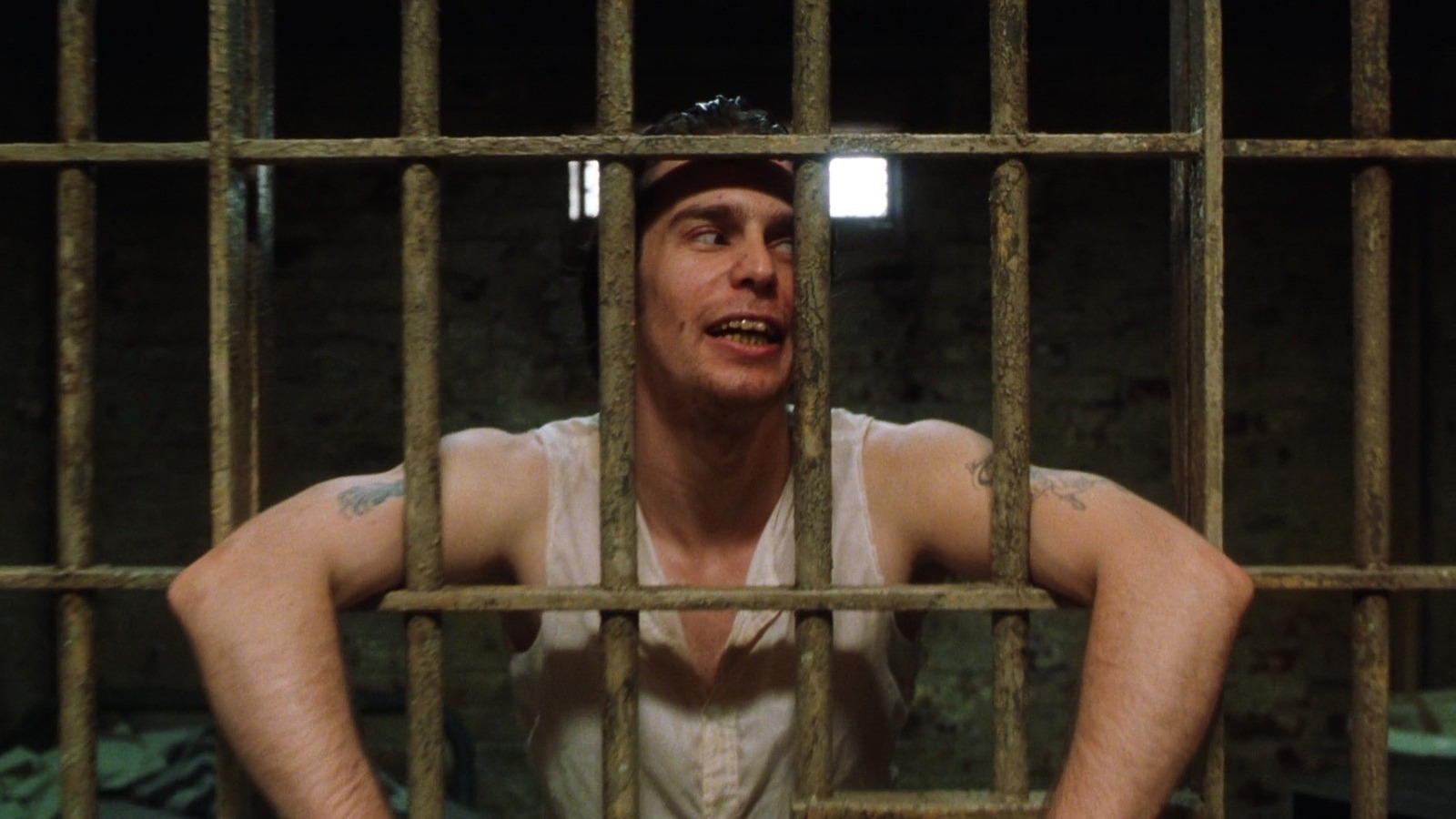
In a film full of restrained, measured performances, Wild Bill is a live wire. Rockwell plays William Wharton as a cackling, dangerous-to-his-core psychopath, and the performance has a feral energy that makes every scene he’s in feel unpredictable. The Green Mile needed a villain whose cruelty could stand up against John Coffey’s tenderness, and Wild Bill delivers that. It was an early major Hollywood role for Rockwell, but what sticks with you is that transport scene where Wild Bill goes completely limp, faking unconsciousness, then erupts into violence with zero warning — the switch Rockwell flips in that instant is startling even on a rewatch, because his body goes from dead weight to coiled menace so fast you barely register the transition.
7. The Way, Way Back (2013)
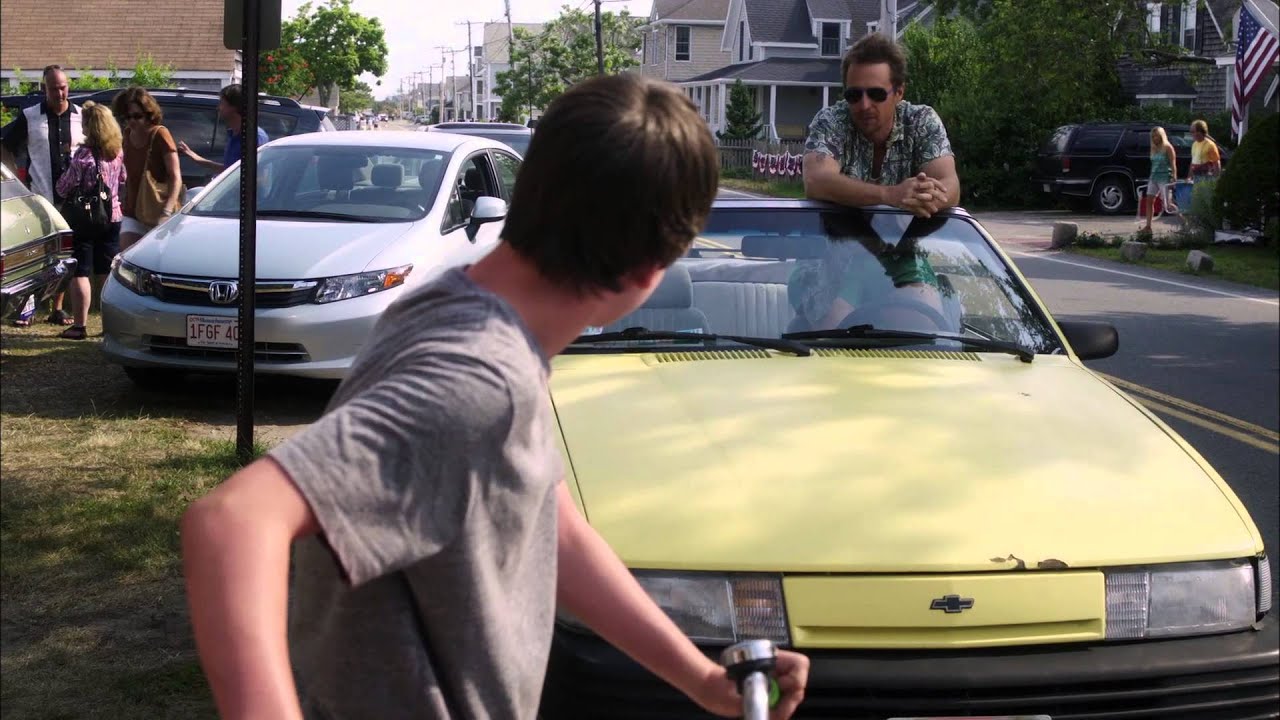
Owen, the water-park manager who takes a miserable teenager under his wing, is the role that introduced a lot of casual moviegoers to what Rockwell can do with a character mostly defined by what he doesn’t say about himself. The deadpan one-liners come fast and the comedic timing is impeccable, but the performance works because there’s real warmth underneath all the deflection. A scene where Owen teaches Duncan to dance in the park’s break room, goofing off with total unselfconsciousness, captures exactly who this person is: someone who decided a long time ago that being present and kind was more important than being impressive. His comedic instincts are as sharp here as his dramatic work anywhere else on this list.
6. Seven Psychopaths (2012)
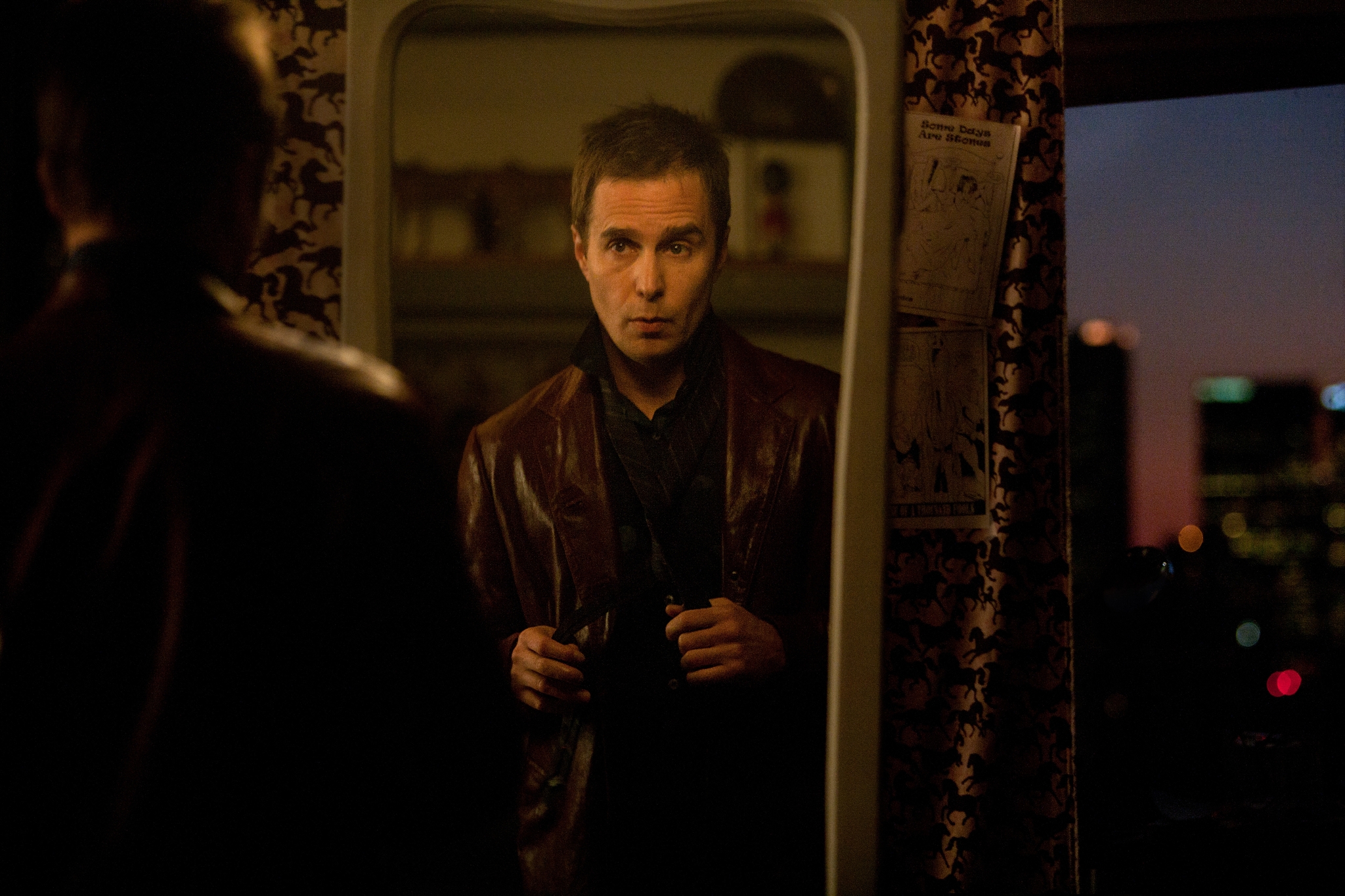
Billy Bickle has fully committed to living inside a movie, and Rockwell plays that with a go-for-broke energy that never tips into parody. Billy is reckless and hilarious and occasionally terrifying, and the performance works because Rockwell never winks at the audience to let them know he’s in on the joke. The scene where Billy describes his ideal ending for the screenplay they’re writing, completely earnest and completely unhinged, is an absolute highlight. What makes the final stretch so good is that once the film stops being a joke about movies and becomes something real, Rockwell pivots without warning — his voice drops, his whole body goes quiet, and the goodbye he gives Hans in the desert lands like a gut punch you didn’t see coming.
5. Galaxy Quest (1999)

Guy Fleegman is convinced he’s going to die, and Rockwell plays that conviction with complete sincerity. Guy is the nameless extra from a cancelled sci-fi TV show who gets beamed onto an actual alien spacecraft, and his running terror at being the expendable crew member is the funniest sustained bit in the film. The moment where Guy realizes he doesn’t even have a last name in the show’s credits, and the dawning horror that crosses his face, is the kind of comedic beat that gets quoted at conventions twenty-five years later. Galaxy Quest has become a genuine cult institution, and Rockwell’s panicked energy is a big reason the ensemble crackles the way it does. Ask sci-fi fans which character they bring up first, and it’s almost always Guy.
4. Vice (2018)
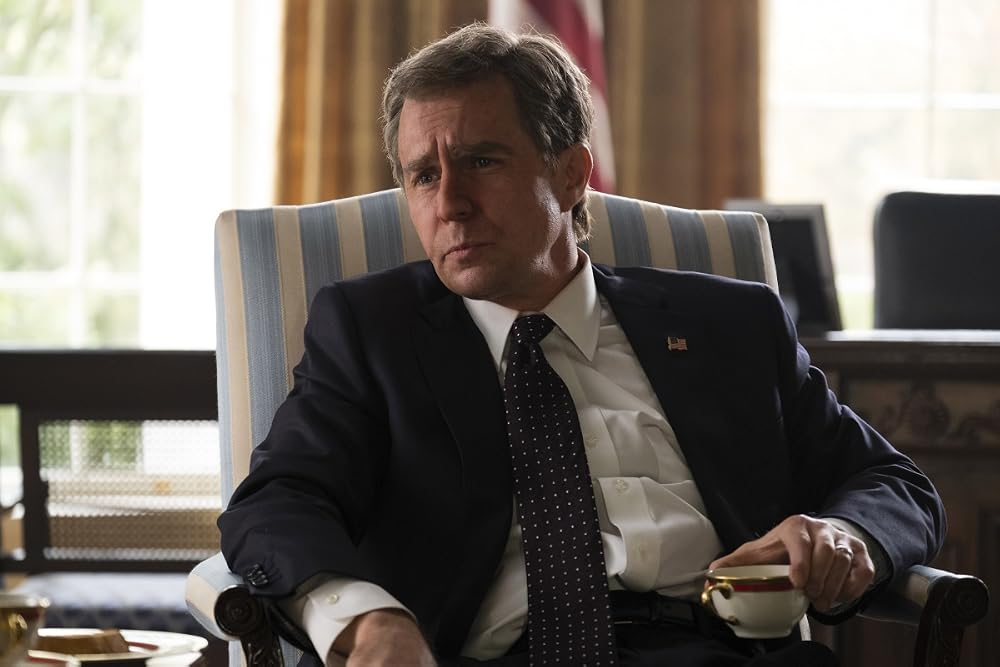
George W. Bush is a role that could easily become a Saturday Night Live impression with better lighting, but Rockwell finds something more interesting than mimicry. He plays Bush as a man with no real grasp of the weight of the room he’s in, and the slack-jawed grin and easy-going obliviousness are funny right up until they become chilling. There’s a scene where Bush is essentially talked into the vice presidency by Dick Cheney, and Rockwell plays the moment with a breezy compliance that’s more unsettling than any villain monologue could be. He earned an Oscar nomination for a supporting role in a film dominated by Christian Bale’s physical transformation, which is its own kind of statement about how much he brought to the part.
3. Confessions of a Dangerous Mind (2002)
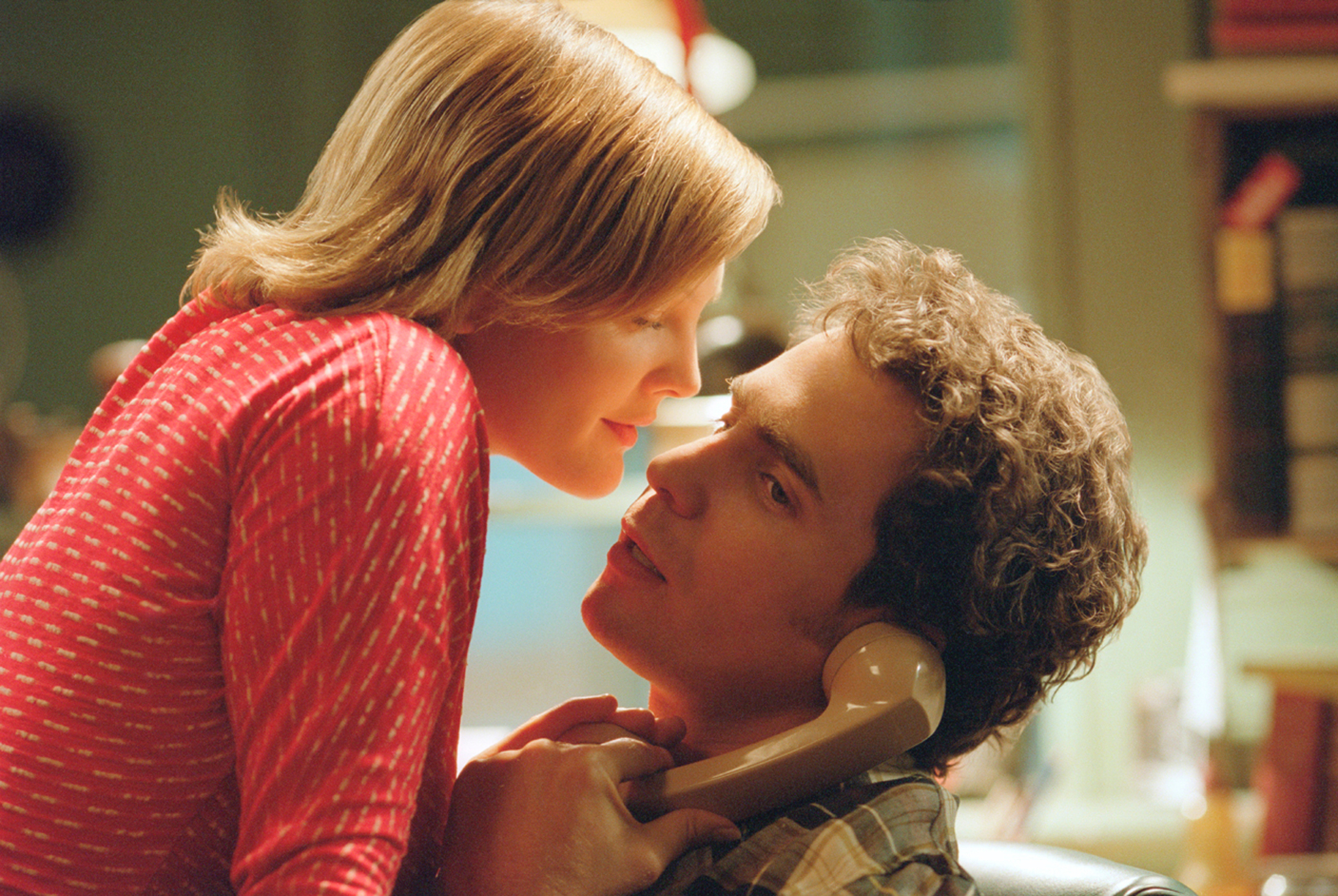
Chuck Barris, the game-show host who may or may not have been a CIA assassin, is the role that put Rockwell on the map as a legitimate leading man. The performance crackles with unhinged charisma from the first frame: Barris is delusional, self-aggrandizing, and weirdly sympathetic, and Rockwell makes all three coexist without any canceling the others out. The assassination sequences have a dark, almost giddy energy that contrasts brilliantly with the sad-sack loneliness of Barris’s personal life, and navigating between those registers without losing the audience is a real feat. Rockwell won the Silver Bear for Best Actor at Berlin for this performance, and the reason it lands is that moment late in the film where Barris sits alone in his apartment reciting his own legend to no one — Rockwell plays it with such hollow conviction that the delusion and the tragedy become completely inseparable.
2. Moon (2009)
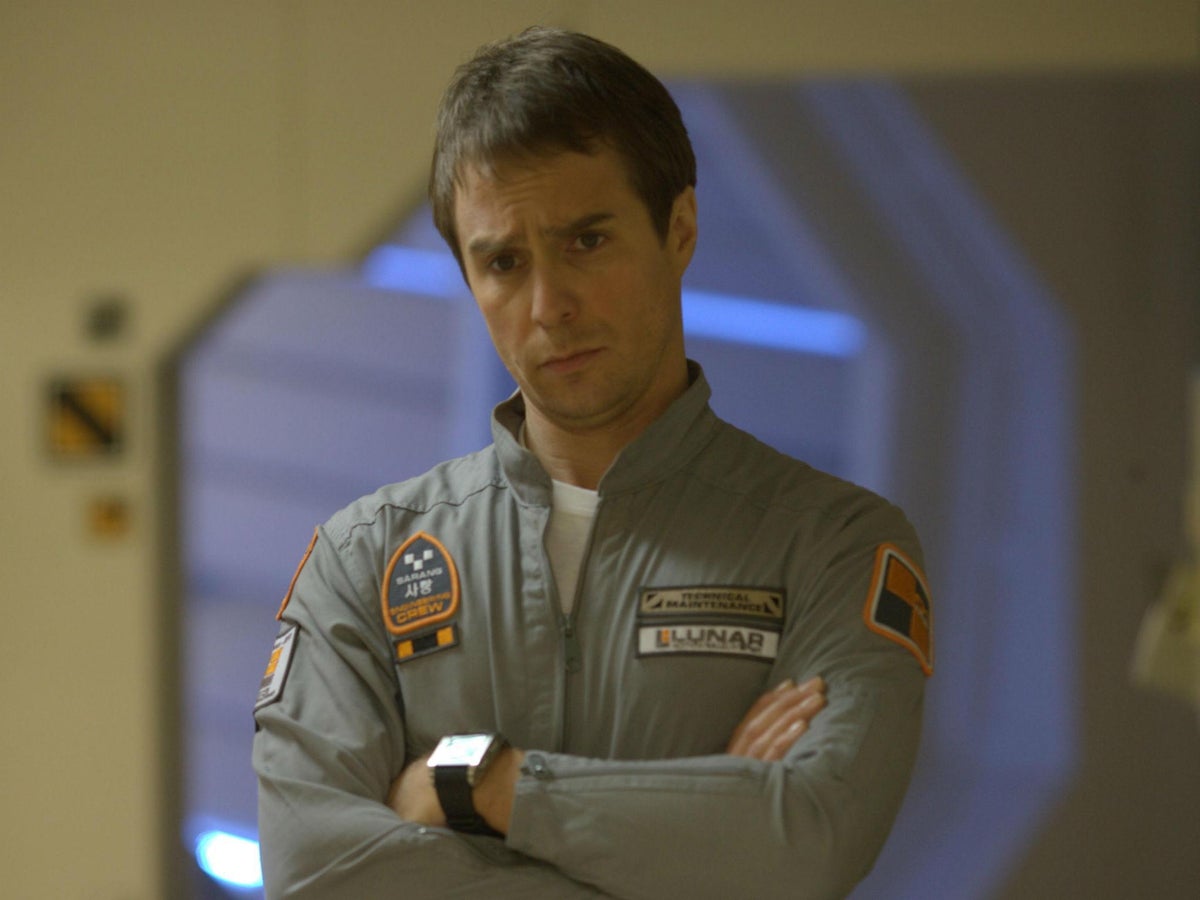
Sam Bell has been alone on a lunar base for three years, and Rockwell plays that isolation with a specificity that goes beyond “lonely astronaut.” The physical deterioration, the small rituals that keep him functional, the way he talks to a robot companion as if the conversation actually matters: all of it feels accumulated rather than performed. Then the film introduces a second Sam Bell, and Rockwell has to play two distinct versions of the same deteriorating man, making them feel like separate people who merely share a face. The scene where the two Bells sit across from each other and the dynamic shifts from confusion to something closer to grief works entirely because of what he does with his eyes and posture. The older Sam’s slight forward lean reads as both protective and defeated — and when he finally drops his gaze rather than hold eye contact with himself, it lands harder than any line of dialogue in the film.
1. Three Billboards Outside Ebbing, Missouri (2017)
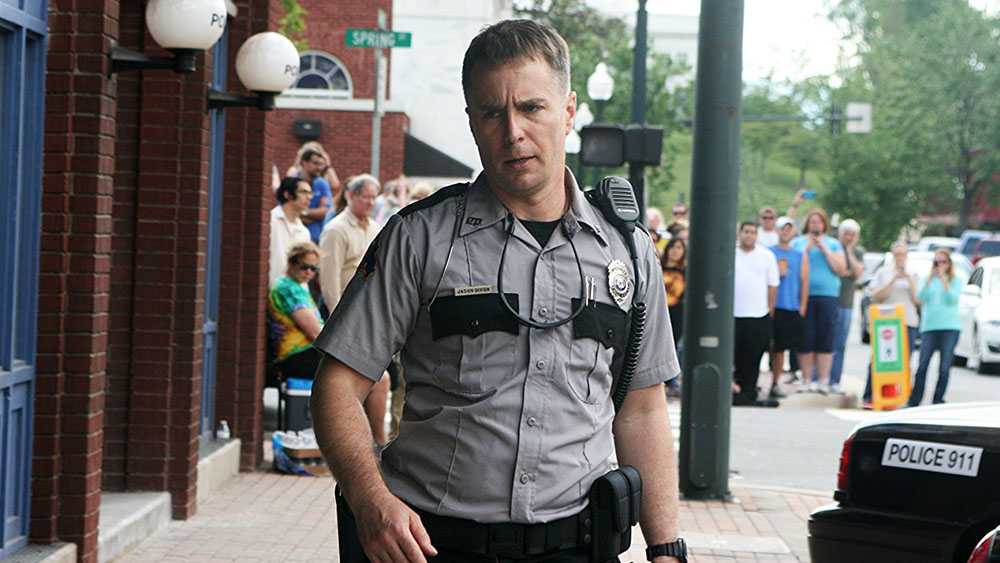
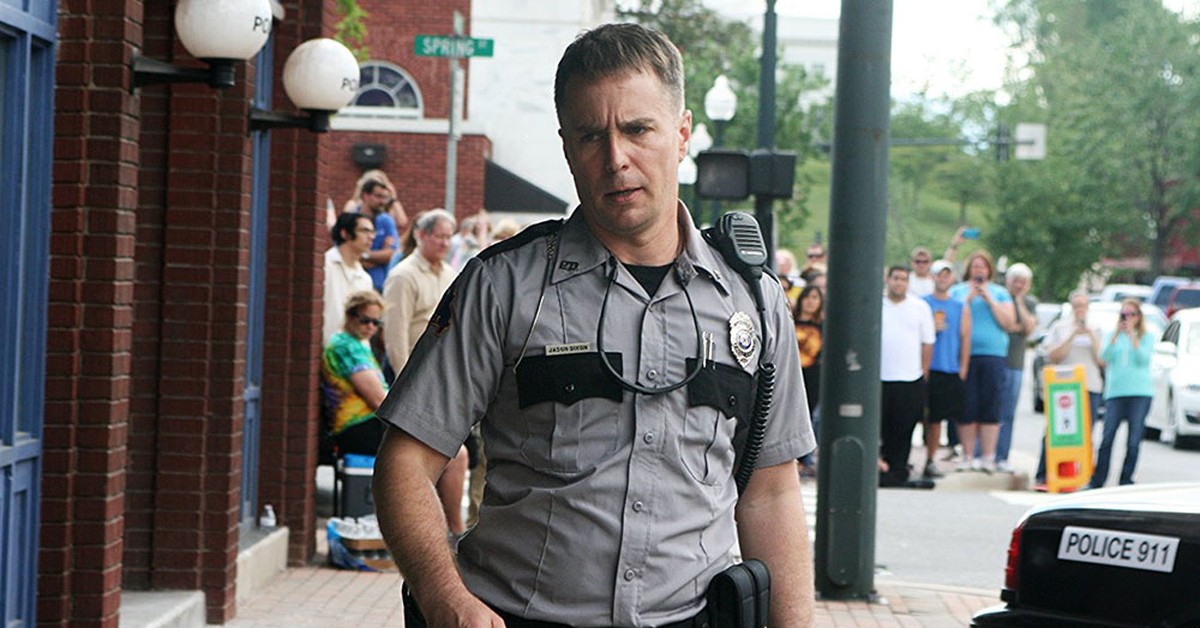
Officer Jason Dixon is introduced as a dim, violent, casually racist mama’s boy, and Rockwell plays all of that without softening any of it. The ugliness is real and specific, and he doesn’t ask for your sympathy early on. What makes the performance so remarkable is the transformation that follows: Dixon gets knocked down repeatedly, and each time Rockwell reveals something slightly different underneath the bluster, until the final act shows a man working hard to be better without the film pretending that erases what he was. The hospital scene, where Dixon sits with a man he’s wronged and something quietly shifts between them, is devastating. There’s also a moment where he reads a letter from his former boss and you can see him deciding, in real time, who he wants to be. Rockwell swept the supporting actor circuit that season, taking home the Oscar, BAFTA, Golden Globe, and SAG Award. The consensus wasn’t wrong: this is the performance that crystallized everything he’s capable of, the ugliness and the warmth and the dark comedy all running simultaneously at full power.
What’s striking about Rockwell’s body of work is how rarely he repeats himself. Dixon and Wild Bill are both violent men, but they share almost no DNA as performances. Guy Fleegman and Justin Hammer are both comedic supporting turns, but the technique is completely different. He’s spent thirty years finding the specific human truth in each character, and the list above is the proof.

Written by Miranda Davies
Film & TV Enthusiast
Hi, my name is Miranda Davies, and I’ve loved film and television all of my life. Some of my earliest memories involve me and family or friends catching the latest movies, or reclining on the couch to catch some awesome television, and I want to share that passion with fellow fans like you! The best way to celebrate film and television is to chat about it with people as equally passionate as you, so this website will be dedicated to being a hub for those that want to chat about their obsessions in a safe and welcoming environment that is fun to visit!
More about the author